Yes — nightcrawlers can be highly effective for ice fishing when used the right way.
I’ve fished icy lakes for years and tested many baits; this guide answers do nightcrawlers work for ice fishing with clear tactics, gear tips, and real examples. You’ll learn when nightcrawlers shine, how to rig them, which species they attract, and smart alternatives when they don’t. Read on for hands-on tips you can use on your next ice outing.

What are nightcrawlers and do nightcrawlers work for ice fishing?
Nightcrawlers are large earthworms prized as bait for their size, scent, and movement. When asking do nightcrawlers work for ice fishing, the short technical answer is yes: their scent and motion attract a wide range of cold-water fish. Nightcrawlers stay active on a hook, release scent, and give a natural profile that triggers bites through ice. Use them near structure, weed edges, or depth changes for best results.

How nightcrawlers attract fish through ice
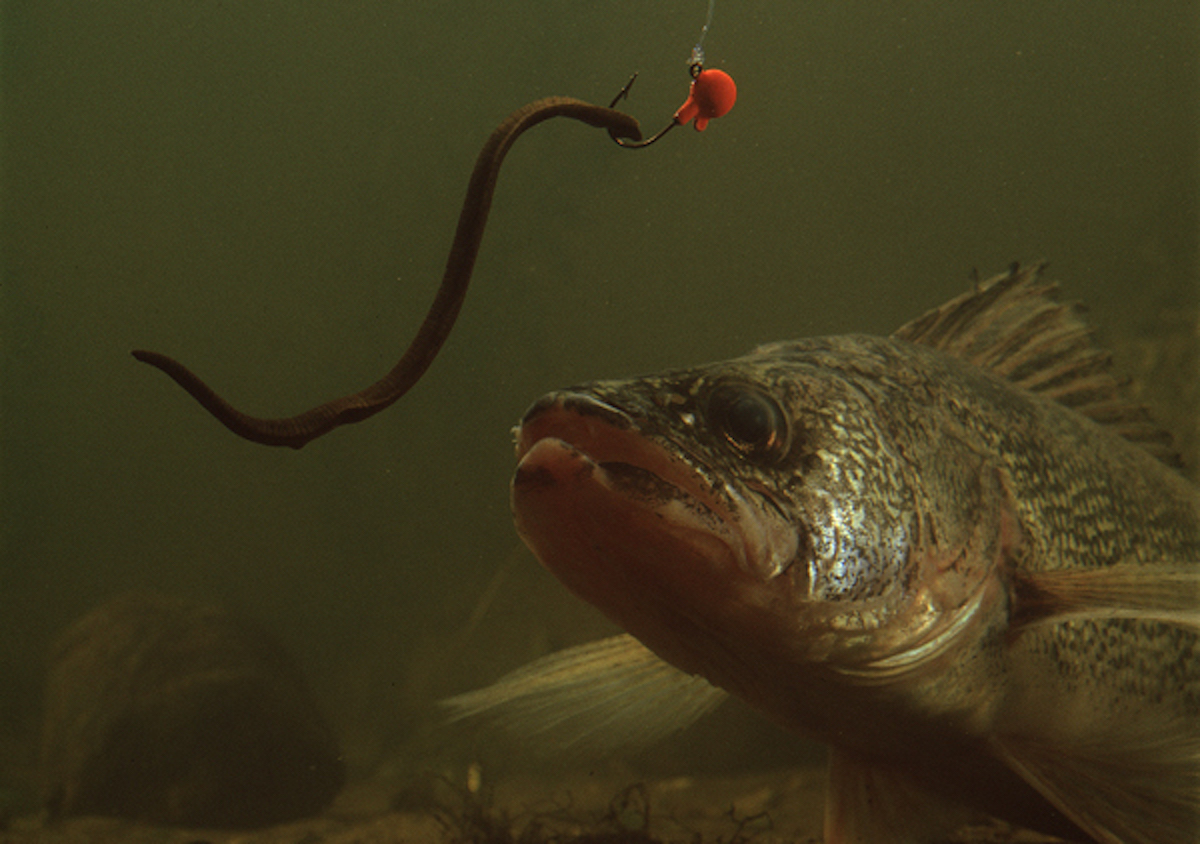
Fish use smell and lateral-line sensing in cold water. Nightcrawlers slowly emit amino acids and body fluids that trout, perch, and walleye detect from a distance. Their size also matches the preferred prey of many species, so when anglers ask do nightcrawlers work for ice fishing they often mean if fish will prefer them over artificial baits — many times they will. In slow winter conditions, the subtle movement of a hooked nightcrawler can be more convincing than bright lures.

How to rig nightcrawlers for ice fishing
Simple rigs work best. Try these proven setups:
- Slip sinker rig. Use a small split shot or slip sinker with a single hook; thread a 3–4 inch nightcrawler and let it dangle naturally.
- Jigged minnow-style. Put the worm on a micro-jig head and jig gently to mimic a live minnow or bug.
- Dangler under a small bobber. Suspend a chunk of nightcrawler at a set depth above the bottom to target suspended fish.
- Double-hook for big worms. Use two small hooks spaced 2–3 inches apart for larger nightcrawlers to slow the bait’s rotation.
Anchor rigs near structure and use light tackle for better hook sets. Keep presentations slow; winter fish are lethargic and prefer subtle action.
Best times, depths, and presentations for do nightcrawlers work for ice fishing
Timing and depth matter more in winter than bait type. Early and late ice, low light, and stable bars often produce bites. For depth and presentation:
- Fish 4–20 feet deep. Start shallower on ponds and deeper on lakes, then adjust based on sonar.
- Stay near structure. Target drop-offs, weed edges, and sunken timber where fish stack.
- Use light line and small hooks. Thin leader and tiny hooks let nightcrawlers move naturally.
- Pause between lifts. Slow, patient jigging or a still presentation often outperforms aggressive action.
When people wonder do nightcrawlers work for ice fishing at night, the answer is yes — many species feed under low light and nightcrawlers are effective then.

Species you can catch with nightcrawlers through the ice
Nightcrawlers are versatile. Expect these common catches:
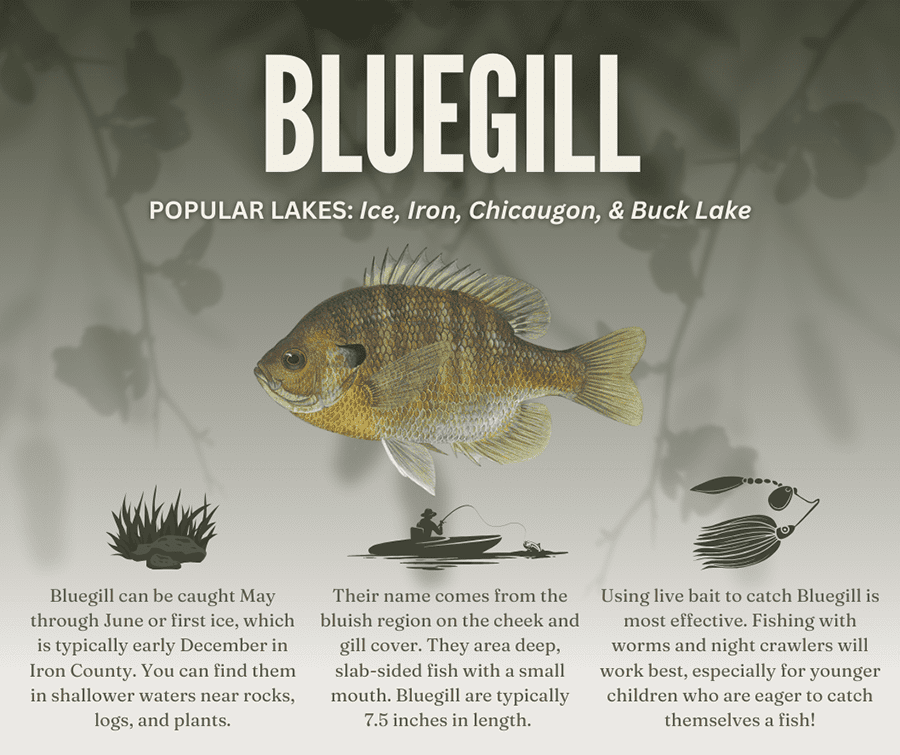
- Panfish. Bluegill and crappie readily take worm pieces.
- Perch. Yellow and jumbo perch love nightcrawler baits.
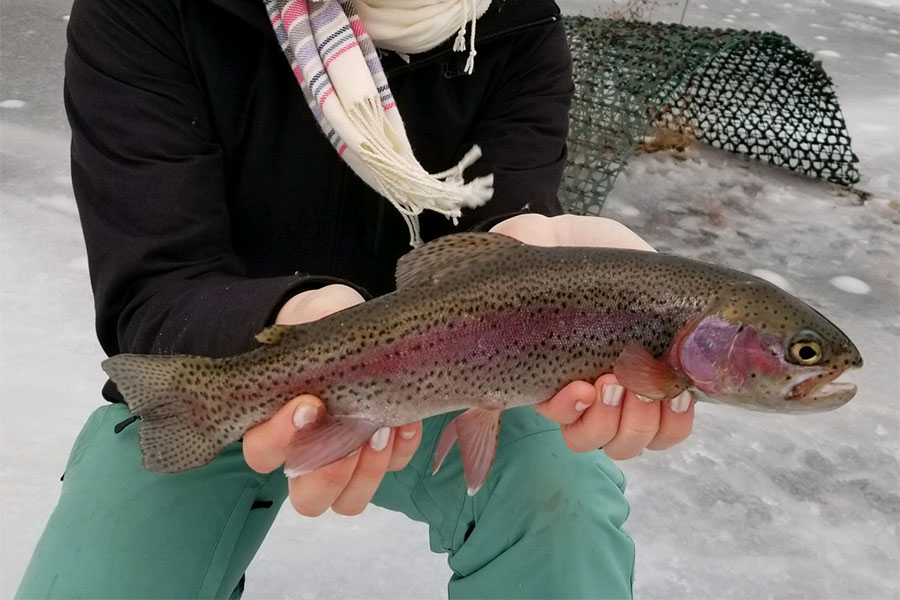
- Trout. Stocked and wild trout hit nightcrawlers, especially in clear lakes.
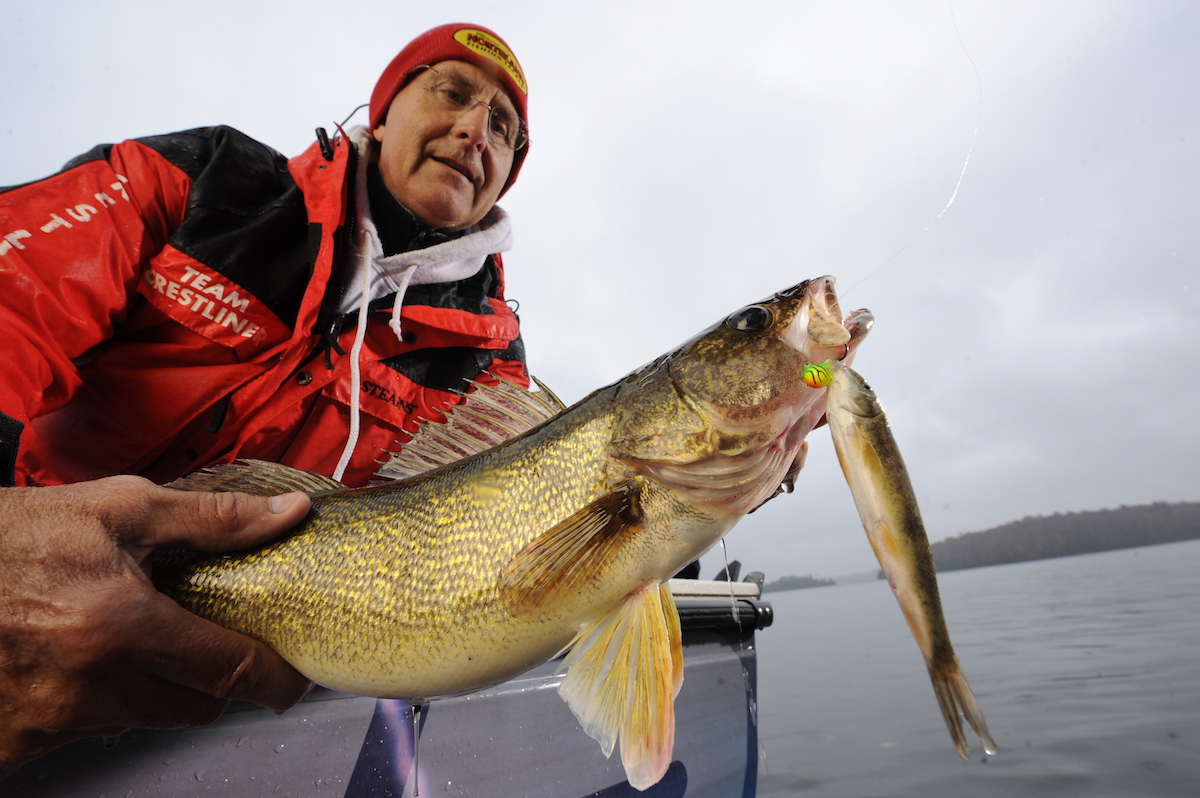
- Walleye. Walleye are scent-driven and often take nightcrawlers at dusk or dawn.
- Bass and pike. In shallow, vegetated holes, larger pieces or whole nightcrawlers can tempt aggressive fish.
If you’re asking do nightcrawlers work for ice fishing for a specific species, they often do—just size the bait and hook to the target fish.
Bait care: keeping nightcrawlers alive and lively in winter
Proper care keeps nightcrawlers attractive and active. Tips:
- Use cool storage. Keep worms in a cool place, around 40–50°F, not frozen.
- Moist peat or soil. Store worms in slightly moist peat, vermiculite, or crumpled newspaper to retain moisture.
- Aerate occasionally. Open the container daily and remove dead worms to prevent rot.
- Bring a small cooler. On the ice, a cooler with air and a damp layer helps worms stay lively for hours.
If your worms look sluggish, cut them into chunks for bait, but whole worms often outfish chunks.
When do nightcrawlers NOT work for ice fishing and good alternatives
There are limits. Nightcrawlers underperform when:
- Fish are keying on minnows or insect larvae rather than worms.
- Water is extremely cold and fish barely feed.
- Pressure and scent saturation make fish wary of natural baits.
Alternatives to try:
- Waxworms and maggots. Better for crappie and panfish in some lakes.
- Live minnows. Often superior for walleye and pike.
- Small jigs and soft plastics. Good when fish chase fast prey.
- Artificial scents and attractants. Boosts worm appeal in pressured waters.
Knowing when to switch is part of answering do nightcrawlers work for ice fishing — sometimes they do, sometimes another bait wins.
Personal experience and pro tips from the ice
I’ve used nightcrawlers across many lakes. A few lessons I learned:
- Size matters. Small pieces catch panfish. Whole worms attract bigger trout and walleye.
- Keep it subtle. I lost fish by over-jigging; a tiny twitch often triggers a bite.
- Match the local forage. If fish feed on small minnows, pair a worm with a micro-jig.
- Share with a friend. I’ve found doubling up rigs with a worm and waxworm can trigger hesitant fish.
One memorable day a buddy and I switched to nightcrawlers after nothing bit on plastics. Within an hour we had limits of perch. Practical changes like that make the difference.
Quick questions about do nightcrawlers work for ice fishing
Do nightcrawlers work for ice fishing in very cold water?
Yes, but fish feed less in very cold water. Use larger, scent-rich baits and fish near structure.
Should I use whole nightcrawlers or pieces on the ice?
Use pieces for panfish and whole worms for trout and walleye. Match hook size to bait size.
Can I use nightcrawlers with electronics?
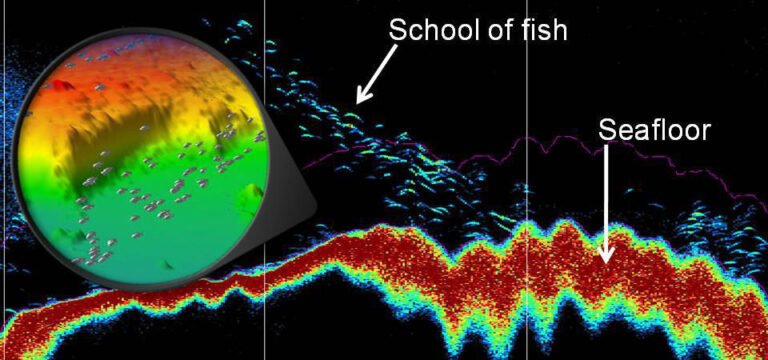
Yes. A flasher or sonar helps find depth and structure so nightcrawlers can be presented where fish are holding.
Frequently Asked Questions of do nightcrawlers work for ice fishing
Do nightcrawlers attract trout through ice?
Yes. Trout respond to nightcrawlers’ scent and natural movement, especially in clearer water and near structure.
How long do nightcrawlers last on the ice?
A lively nightcrawler can last several hours on a hook in cold conditions; remove dead pieces and refresh bait as needed.
What hook size is best for nightcrawlers on ice?
Use size 8–12 hooks for panfish and size 6–2 for larger trout and walleye. Match hook size to the worm piece.
Are nightcrawlers better than waxworms for ice fishing?
They are different. Nightcrawlers are larger and better for bigger fish; waxworms excel for crappie and finicky panfish.
Can nightcrawlers freeze and still work?
If frozen solid, nightcrawlers lose scent and movement. Thaw and use pieces, but fresh lively worms are best.
Conclusion
Nightcrawlers are a reliable and versatile bait for ice fishing when matched to species, presentation, and conditions. Use light rigs, keep presentations slow, care for your bait, and don’t hesitate to switch when fish go on something else. Try these tips on your next trip, jot what works in a log, and share your results with other anglers. If you found this helpful, subscribe for more ice-fishing tips or leave a comment with your best nightcrawler tip.