You usually need a small weight for trout fishing in most water and depth conditions.
I’ve spent decades on streams and lakes chasing trout. I know when a weight helps and when it hurts. This guide answers the core question do i need a weight for trout fishing and shows how to pick, rig, and use weights so you catch more trout without wasting time.
Do I need a weight for trout fishing?
When anglers ask "do i need a weight for trout fishing" the simple truth is this: most of the time a weight helps. Weights let your bait reach the strike zone, keep hooks stable, and let you fish deeper water or faster current. There are clear times to skip weights too, such as topwater or very shallow, clear streams.
Why weights matter for trout fishing
A weight controls presentation. It moves your bait vertically and keeps it where trout feed. Without the right weight you may be too high in the water column or your bait may drift unnaturally.
Weights also help with casting. A small weight gives distance and accuracy. In fast current a properly sized weight keeps your bait on the bottom where trout often hold.

Types of weights and when to use them
- Split shot: small, easy to add. Use for fine tuning bait depth and light currents.
- BB shot: smaller than split shot. Good for delicate presentations in clear water.
- Egg sinker: slides on the line. Use when you want the fish to take the bait without feeling the sinker.
- Pencil or worm sinkers: narrow and streamlined. Great for casting with soft plastics or live bait.
- Tungsten shot: denser and smaller than lead. Use when you need weight but want less bulk.
- Inline or fixed weights: built into lures or rigs. Use for consistent depth and fast casts.
When you wonder "do i need a weight for trout fishing" think about depth, flow, and how trout are feeding. Use lighter weights in clear or pressured waters and heavier ones in deep or fast water.

How to choose the right weight
- Check depth and current. Use heavier weights for deep water and fast current.
- Match bait size. Big baits need more weight to get down. Small baits need less.
- Aim for subtle presentation. If trout spook, reduce the weight in small steps.
- Test and adjust. Start light and add weight until your bait hits the zone.
When answering "do i need a weight for trout fishing" use a trial approach. Change one element at a time and watch how trout react.

Common rigs with weights for trout
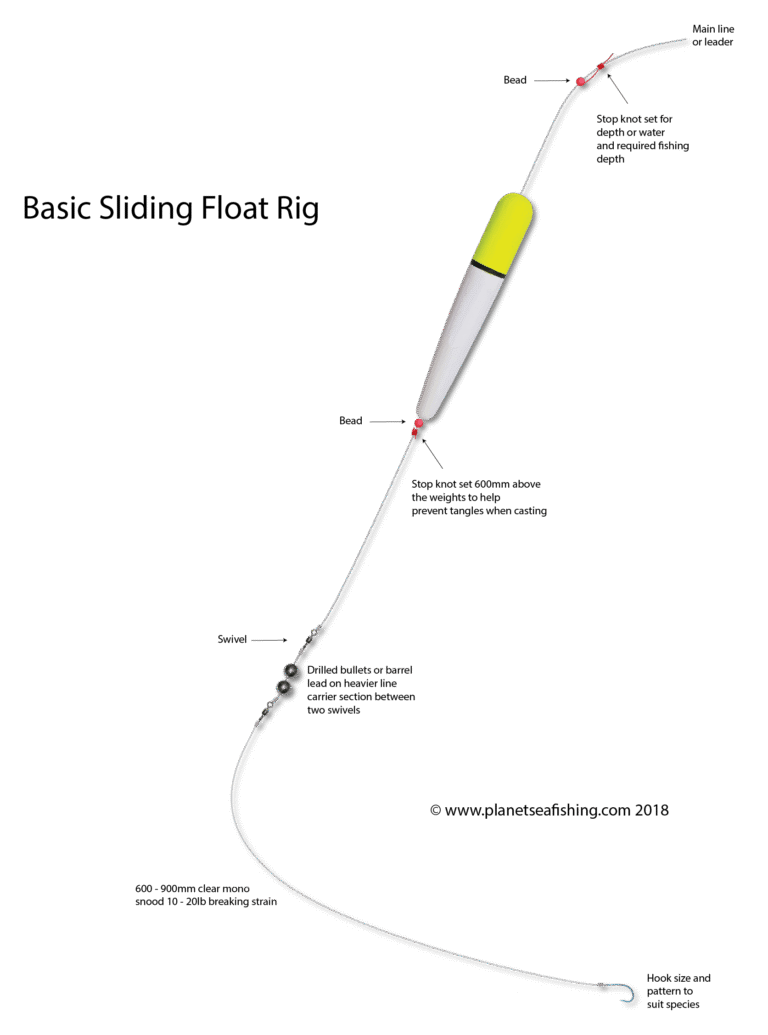
- Bobber with split shot: hangs bait at set depth. Great for crappie-style trout fishing.
- Slip sinker rig: lets trout pull line without feeling the sinker. Good for live bait on rivers.
- Drop-shot style: hangs bait above a weight. Useful in deep lakes near structure.
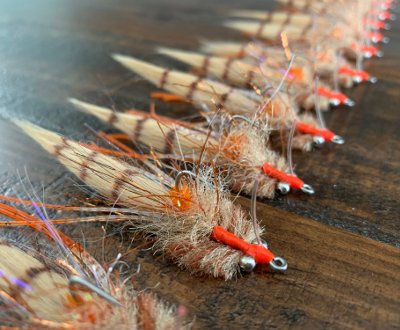
- Inline spinner or weighted fly: built-in weight for casting and sinking. Good for fast presentations.
Each rig answers part of the "do i need a weight for trout fishing" question. Choose the rig that matches how trout are holding and feeding.

Alternatives to using weights
You can skip weights in some cases. Try these options:
- Use floating rigs or flies for topwater action and sight fishing.
- Fish very slowly with unweighted bait in clear, shallow water.
- Use buoyant lures or lipped crankbaits that dive without added weight.
When you think "do i need a weight for trout fishing" remember that sometimes lighter is better. Trout can be spooked by heavy presentations in clear water.
Tips from my experience
I once fished a clear creek where I kept losing bites with a heavy split shot. I switched to a tiny BB and doubled my catch. Lesson learned: small changes matter. I also learned to carry a range of weights. That way I could adapt to changing depth and flow without wasting time.
Avoid these mistakes:
- Using too much weight and lifting the bait off key feeding zones.
- Adding weight for distance without balancing presentation.
- Not testing different weights when trout change behavior.
If you wonder "do i need a weight for trout fishing" my best tip is to start light, watch your line, and adjust.
People also ask
How heavy should a weight be for trout fishing?
Pick the lightest weight that gets your bait to the desired depth. Start small and add weight until the bait sits where trout are feeding.
Can I fish trout without a weight?
Yes. Surface fly fishing, float rigs, and very shallow bait presentations often work without added weight.
Does weight scare trout?
Large or noisy weights can spook trout in clear, calm water. Use smaller, denser weights like tungsten to reduce visibility and sound.
Frequently Asked Questions of do i need a weight for trout fishing
Do I always need a sinker for trout fishing?
Not always. You don’t need a sinker for topwater or very shallow presentations. Use sinkers when you must reach deeper trout or hold against current.
What size split shot should I use for trout?
Start with the smallest size that moves your bait. Sizes vary, but many trout anglers favor BB to No. 4 split shot for finesse work.
Will tungsten sinkers improve my catch rate?
Tungsten lets you use smaller weights for the same sink rate. That can improve subtlety and help in pressured water, but it won’t guarantee more fish on its own.
How do I place split shot without scaring trout?
Pinch split shot 6-12 inches above the hook for most bait rigs. Use small sizes and add only what you need to reach the feeding zone.
Should I use fixed or sliding sinkers for trout?
Use sliding sinkers for live bait to let trout take the bait without feeling resistance. Fixed sinkers work well for lures and situations where you want stable depth.
Can heavy weights damage gear or line?
Heavy weights can wear knots and weaken light tippets over time. Match your leader and knot strength to the weight used.
How to tell if my weight is right?
If the bait stays in the strike zone and drifts naturally, the weight is right. If fish refuse or your line lifts the bait, try lighter weight.
Wrap up
Weights are tools. They help present bait where trout feed and make casting easier. When asking "do i need a weight for trout fishing" remember the answer is situational: most of the time yes, but not always.
Try different weights, watch how trout react, and keep a small, varied tackle kit. Practice changing one thing at a time. If this guide helped, try the rigs and tips on your next trip, share your results, or leave a question below.