Understanding why fish feed near the surface is one of the most useful skills for anglers. When fish rise to the top, they are usually responding to something in their environment, such as insects, baitfish, warm water, or changing oxygen levels.
In my experience studying fishing patterns, surface activity is rarely random. A calm lake morning in the United States can reveal bass chasing minnows, trout taking insects, or panfish picking floating food from the water line. These moments give anglers valuable clues about where fish are feeding.

Food Availability Is a Major Reason Fish Feed Near the Surface
The main reason why fish feed near the surface is the easy access to food. Many fish species look upward because insects, small baitfish, and floating organic material collect in the upper water layer.
Surface feeding often happens when fish find a large amount of prey in one area. For example, bass may chase schools of shad near the top, while trout may rise for insects drifting on rivers.
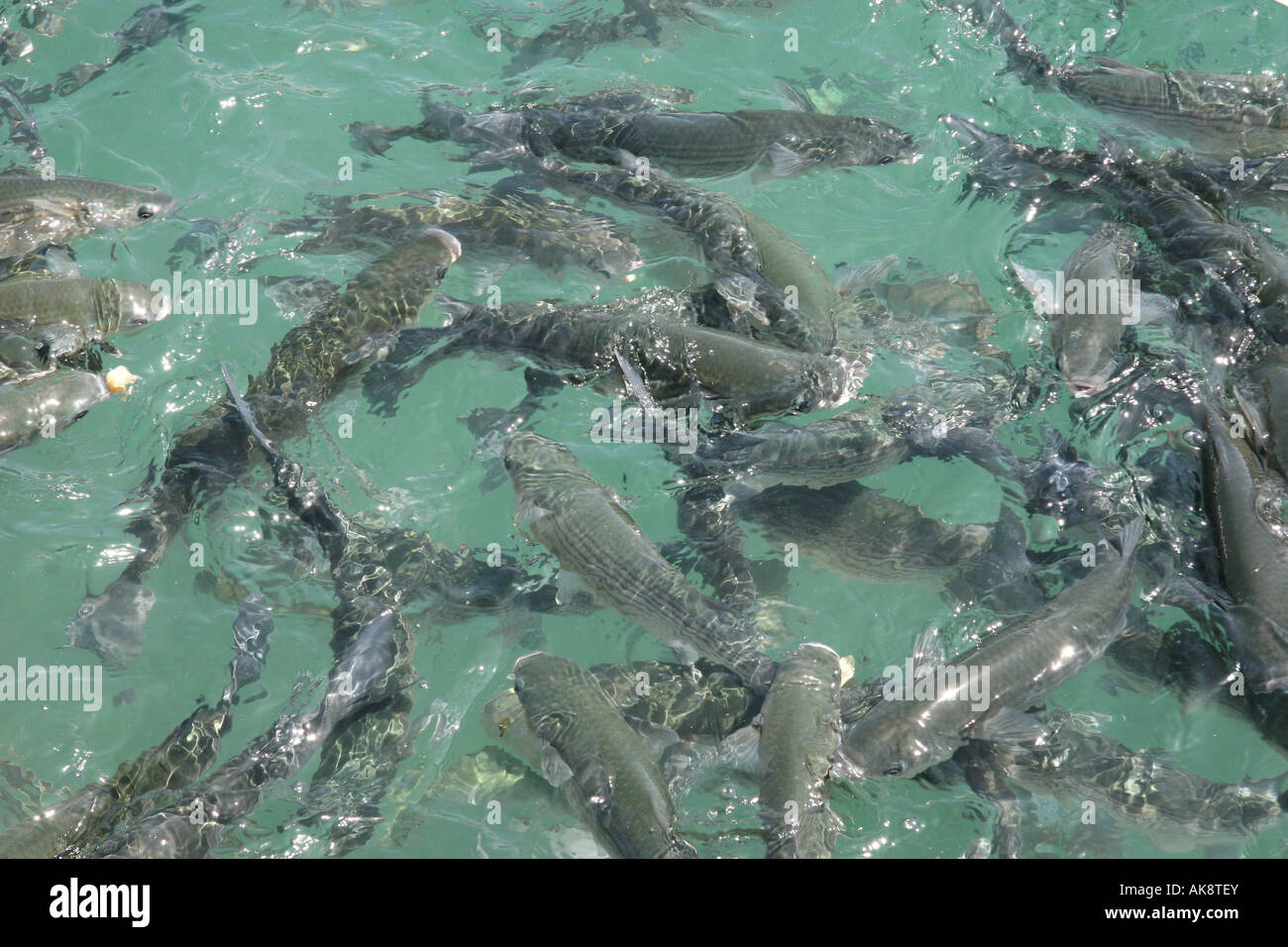
- ✦ Floating insects
Mayflies, flies, grasshoppers, and other insects can fall into the water and create feeding opportunities.
- ✦ Baitfish schools
Small fish often move near the surface, attracting larger predators that follow their movement.
How Anglers Recognize Surface Feeding
Anglers can identify surface feeding by watching for splashes, jumping baitfish, birds diving, or circles forming on the water. These signs often show that predators are actively hunting.
- ✦ Visible activity
Breaking water and moving bait are strong clues that fish are feeding above deeper areas.
Oxygen Levels and Water Conditions Influence Surface Feeding
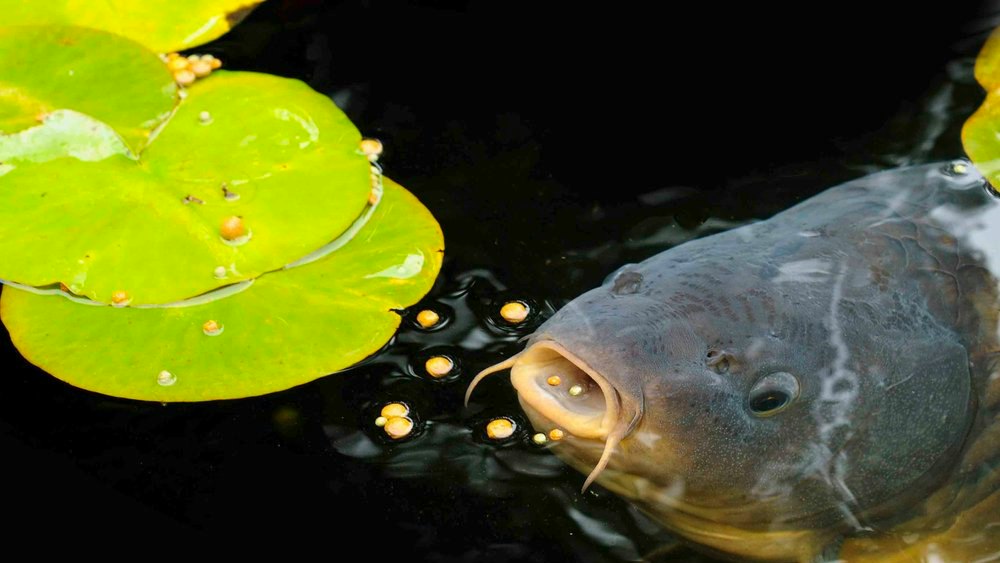
Another important answer to why fish feed near the surface is oxygen availability. Fish need dissolved oxygen to survive, and water conditions can change oxygen levels throughout the day.
Wind, rain, and wave movement can add oxygen to the upper water. During warm months, some fish move higher when surface areas provide better conditions than deeper water.
- ✦ Wind mixing
Wind pushes the surface and mixes oxygen into the water, creating better feeding zones.
- ✦ Rain and current
Fresh water movement can bring oxygen and food particles that attract fish.
The Role of Water Temperature
Fish are cold-blooded animals, so their activity changes with temperature. In spring and fall, surface temperatures may become comfortable and encourage fish to feed higher in the water column.
- ✦ Seasonal changes
Fish often move upward during periods when surface water matches their preferred temperature.
Predatory Fish Feed Near the Surface to Hunt More Efficiently
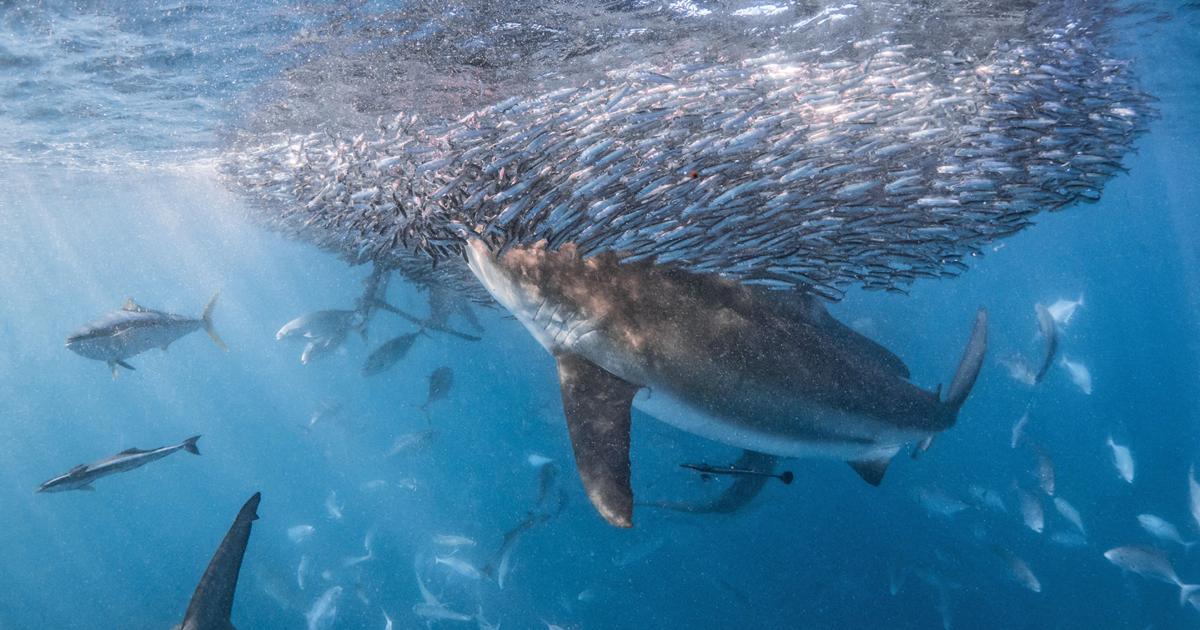
Many predator fish feed near the surface because it gives them an advantage. Looking upward allows them to trap prey against the surface where escape routes are limited.
Understanding why fish feed near the surface helps anglers predict predator behavior. Species like largemouth bass, striped bass, and trout often use surface attacks when conditions are right.
- ✦ Easier hunting angles
The surface can create a natural barrier that makes prey easier to capture.
- ✦ Low-light advantage
Morning and evening light conditions can make surface hunting more effective.
Why Time of Day Matters
Dawn and dusk are common surface feeding periods because many insects become active and smaller fish move into shallow areas. Reduced light also makes predators more confident while hunting.
- ✦ Morning feeding
Cooler water and active insects often create strong early feeding windows.
Weather and Environmental Changes Can Trigger Surface Feeding
Weather changes are another key factor behind why fish feed near the surface. Clouds, wind, pressure changes, and storms can change fish behavior quickly.
Cloudy skies often make fish less cautious because there is less direct sunlight. Wind can also move food toward shorelines where fish gather.
- ✦ Cloud cover
Lower light conditions can encourage fish to move into shallow and surface areas.
- ✦ Wind direction
Windblown areas often collect insects and small organisms that attract feeding fish.
How to Catch Fish That Feed Near the Surface
Knowing why fish feed near the surface is useful, but applying that knowledge is what improves fishing success. The right lure, presentation, and timing can match what fish are already eating.
Surface lures work well because they imitate natural prey behavior. Anglers across the United States use topwater plugs, floating flies, and soft plastics when fish show surface activity.
- ✦ Use topwater lures
Walking baits, poppers, and frogs can imitate struggling prey on the surface.
- ✦ Watch natural signs
Look for birds, insects, bait movement, and surface disturbances before casting.
Frequently Asked Questions about why fish feed near the surface

fishingscouty
Contributor