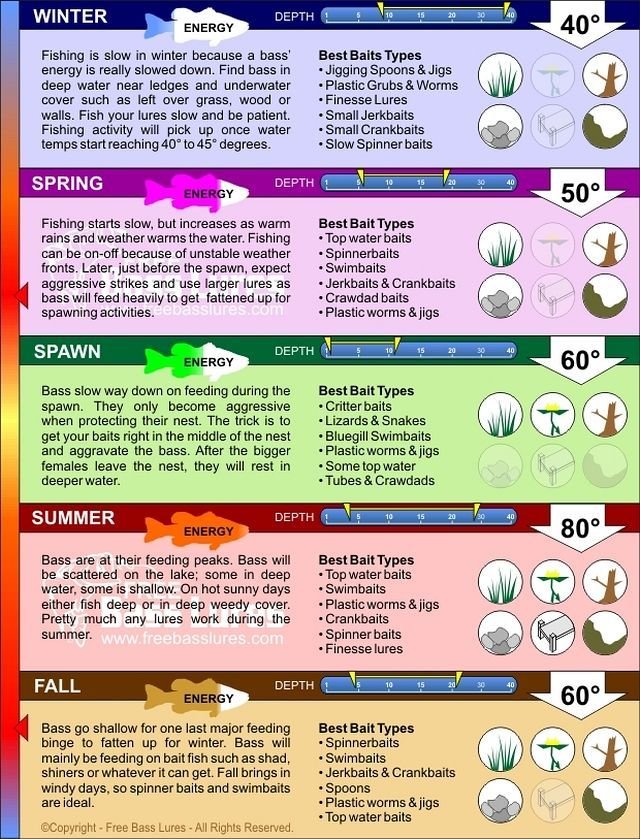
Understanding how weeds affect fish feeding helps anglers, pond owners, and lake managers make better decisions. Aquatic plants are not always harmful. Many fish depend on healthy weed beds for insects, small animals, and protection from predators.
From my experience studying fishing environments, the best waters usually have a balance of vegetation. Too few weeds can remove important feeding areas, while too many weeds can make it harder for fish to find and chase prey.

How aquatic weeds create feeding opportunities for fish
To understand how weeds affect fish feeding, it is important to see weeds as part of the food chain. Plants attract insects, worms, small crustaceans, and tiny fish that become food for larger fish.
Weed beds often act like restaurants for fish. Species such as bass, bluegill, and crappie use vegetation edges to find easy meals.
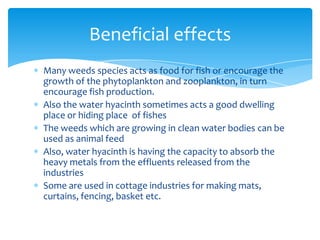
- ✦ Natural food production
Weeds support insects and microorganisms that become important food sources for many fish species.
- ✦ Better ambush areas
Predatory fish use plants as cover while waiting to attack smaller prey.
Why fish stay near weed edges
Fish often prefer weed edges because they provide both safety and feeding chances. The transition between open water and vegetation creates a place where prey gathers.
- ✦ Edge habitat
The border between weeds and open water is often one of the most active feeding zones.
How too many weeds can reduce fish feeding activity
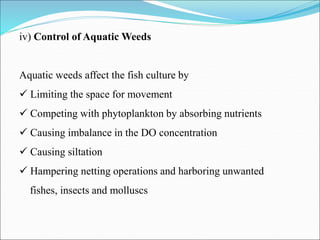
Although weeds can help fish, excessive plant growth can create problems. Dense vegetation may block fish movement and reduce their ability to chase prey.
Learning how weeds affect fish feeding also means understanding when plants become too thick. Overgrown ponds can create stressful conditions for fish.

- ✦ Limited movement
Heavy weed growth can make it difficult for fish to move and hunt efficiently.
- ✦ Lower oxygen levels
Large amounts of decaying plants can reduce oxygen, especially during warm weather.
The relationship between weed type and fish feeding behavior
Different weeds influence fish feeding in different ways. Submerged plants, floating plants, and shoreline vegetation each create unique habitats.
Some plants provide excellent cover, while others spread quickly and reduce open feeding areas.
- ✦ Submerged weeds
Plants below the surface often provide hiding places for small prey and young fish.
- ✦ Floating weeds
Floating vegetation can provide shade but may reduce sunlight and oxygen when excessive.
How seasonal weed growth changes feeding
During spring and summer, weed growth can increase insect activity and attract feeding fish. In colder months, some vegetation dies back and changes fish location.
How anglers use weeds to catch feeding fish
Many U.S. anglers study weed patterns because plants reveal where fish may feed. Bass fishermen often target weed lines, openings, and vegetation changes.
Knowing how weeds affect fish feeding can improve lure selection and fishing location choices.
- ✦ Fish the edges
Weed boundaries often hold active fish because prey moves between cover and open water.
- ✦ Match natural prey
Lures that imitate insects, small fish, or creatures found in weeds can work well.
Managing weeds for a healthier fish feeding environment
Good pond management focuses on balance. Removing every weed can damage habitat, while allowing unlimited growth can harm fish health.
A healthy aquatic system keeps enough vegetation for food and shelter while maintaining open areas for movement.
- ✦ Monitor plant coverage
Regular checks help identify when weed growth begins affecting fish feeding.
- ✦ Maintain habitat balance
Keeping a mix of plants and open water supports stronger fish populations.
Frequently Asked Questions about how weeds affect fish feeding

fishingscouty
Contributor