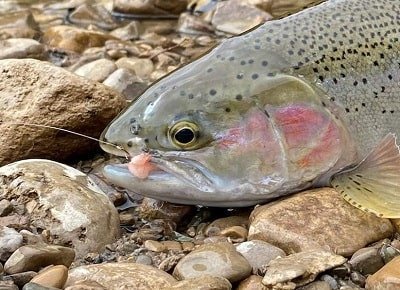
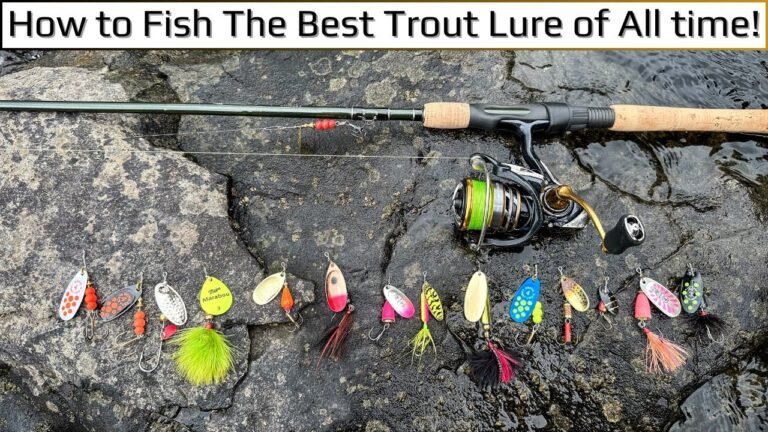
When anglers ask what is forage in fishing, they are usually asking about the food sources that keep predator fish alive. Forage includes small fish, insects, crustaceans, and other creatures that become meals for bass, trout, walleye, salmon, and many saltwater species.
After years of studying fishing patterns, many experienced anglers learn that finding forage often means finding fish. Predator fish rarely move randomly. They follow food, and understanding the local forage base can reveal feeding areas, seasonal movements, and the best lure choices.

What Is Forage in Fishing and Why Does It Matter?
The term forage describes the food that fish search for and consume in their environment. In fishing, forage usually refers to small prey species that support larger fish populations.
Knowing what is forage in fishing helps anglers understand the connection between prey and predators. A lake with healthy forage often produces stronger game fish because predators have a steady food supply.
- ✦ Food source for predators
Forage provides the energy needed for predator fish to grow, reproduce, and survive.
- ✦ Fishing location clues
Predator fish often stay near areas where forage gathers, such as weed beds, points, channels, and current breaks.
- ✦ Lure selection guide
Anglers can choose lures that imitate the size, color, and movement of local forage.
The Difference Between Forage and Baitfish
Forage is a broad term that includes many food sources. Baitfish are a type of forage that specifically refers to small fish used as prey by larger fish.
A shad, minnow, or young herring can be both forage and baitfish. However, insects and small crustaceans are also forage even though they are not fish.
Common Types of Forage Fish Found in North America
Across the United States, different waters have different forage communities. A bass lake in Florida may have threadfin shad, while a northern lake may depend more on yellow perch or cisco.
Learning the main forage species in your local water can help you understand fish movement and feeding habits.

- ✦ Shad
Shad are among the most important forage fish in many U.S. reservoirs because they provide large amounts of food for bass and other predators.
- ✦ Minnows and shiners
These small fish are common prey in rivers, ponds, and lakes and attract many freshwater predators.
- ✦ Herring and alewives
These schooling fish support major predator species in many freshwater and coastal ecosystems.
Freshwater Versus Saltwater Forage
Freshwater anglers often focus on species like shad, minnows, and young perch. Saltwater anglers may follow forage such as sardines, anchovies, and menhaden.
The idea remains the same in both environments. Predator fish follow the places where prey gathers.
How Forage Controls Predator Fish Behavior
Predator fish spend much of their lives searching for efficient feeding opportunities. When forage moves, predators often move with it.
Understanding what is forage in fishing allows anglers to predict where fish may feed during different times of the year.

- ✦ Schooling behavior
Many forage fish gather in groups, creating feeding opportunities that attract large predators.
- ✦ Seasonal movement
Forage may move into shallow areas during warm months and deeper zones during colder periods.
- ✦ Predator feeding patterns
Game fish often position themselves near forage schools to save energy while hunting.
Reading Water Through Forage Activity
Anglers can watch for surface disturbances, diving birds, bait balls, and fish activity to locate forage.
Modern tools like sonar also help identify schools of small fish below the surface.
How Anglers Use Forage Knowledge to Catch More Fish
Successful anglers do not only look for fish. They look for the food that attracts fish. This approach changes fishing from guessing into a more informed process.
When you know what is forage in fishing, you can select better locations, better presentations, and better timing.

- ✦ Match the hatch
Choose lures that resemble the size, shape, and movement of the natural prey in the water.
- ✦ Follow seasonal changes
Track how forage changes location as water temperature and conditions shift.
- ✦ Study local waters
Learn what forage species exist in your lake, river, or coastal area before planning a trip.
Using Artificial Lures That Copy Forage
Many popular lures are designed to imitate common forage. Swimbaits copy baitfish, crankbaits mimic injured prey, and soft plastics can imitate smaller creatures.
The best lure is often the one that looks natural compared with what predator fish already see every day.
How Seasons Affect Forage Fish Movement
Forage behavior changes throughout the year. Temperature, spawning cycles, food availability, and water conditions all influence where prey fish gather.
Understanding these changes is one of the most useful skills for anglers who want consistent results.

- ✦ Spring
Many forage species move into shallow areas, attracting predators preparing for increased feeding.
- ✦ Summer
Forage often forms large schools near cooler water, structure, and deeper areas.
- ✦ Fall
Predators often feed heavily as forage becomes a priority before colder weather arrives.
Winter Forage Patterns
During colder months, many forage fish become less active and move deeper. Predators may slow down but still follow available food sources.
Finding concentrated forage can be the key to successful winter fishing.
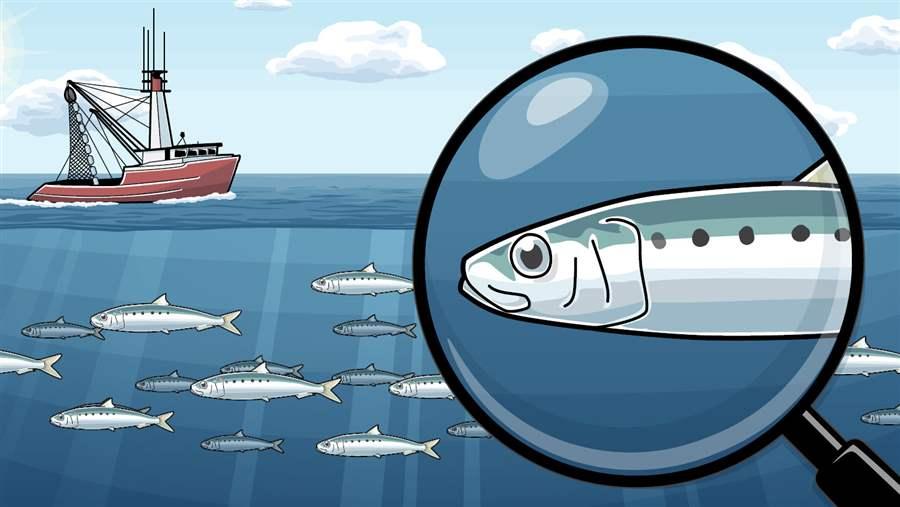
The Role of Forage in Healthy Fisheries
Forage fish are important beyond individual fishing trips. They support entire aquatic ecosystems by transferring energy from small organisms to larger predators.
A balanced forage population helps maintain healthy lakes, rivers, and oceans.
- ✦ Supports biodiversity
Healthy forage populations help many predator species survive in the same ecosystem.
- ✦ Maintains predator growth
A reliable food supply allows game fish to reach larger sizes.
- ✦ Improves fishery management
Biologists study forage populations to make better decisions about fisheries.
Frequently Asked Questions about what is forage in fishing

fishingscouty
Contributor