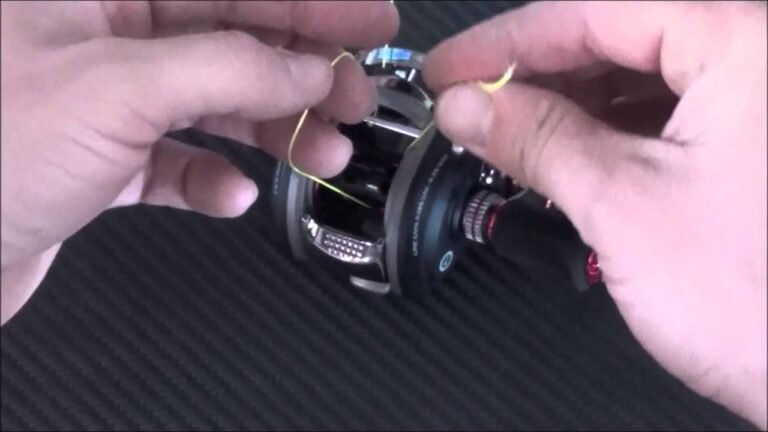
Fishing line developing coils how to reduce is a common question among anglers who notice loops, twists, and spring-like bends coming off their reels. These coils can hurt casting distance, create wind knots, and make simple fishing tasks frustrating.
After years of using spinning reels, baitcasters, and different fishing lines, one lesson stands out: most coil problems start before the first cast. Proper spooling, smart storage, and regular line care prevent many issues before they appear.
Why Fishing Line Develops Coils and Memory
Fishing line coils happen because many lines remember the shape they held on the spool. This effect is called line memory. monofilament and fluorocarbon are especially known for holding circular shapes after sitting on a reel.
When an angler asks fishing line developing coils how to reduce, the first step is finding the cause. A line may coil because of age, heat, poor storage, wrong spool size, or too much twisting during use.
- ✦ Line memory
Older monofilament and fluorocarbon lines often keep the curve of the original spool, creating visible loops during casting.
- ✦ Line twist
A lure that spins or a reel that loads line incorrectly can add twists that become coils over time.
- ✦ Storage conditions
Heat, sunlight, and long storage periods can make fishing line lose flexibility.
How Different Fishing Lines React
Monofilament usually shows the most memory because nylon naturally holds shape. Fluorocarbon is stiffer and may create stronger coils. Braided line has very low memory but can still develop twists.
- ✦ Monofilament
Soft and affordable, but more likely to keep spool-shaped coils.
- ✦ Fluorocarbon
Strong and abrasion resistant, but stiffness can increase coil problems.
Simple Ways to Reduce Fishing Line Coils Before Fishing
The easiest way to solve fishing line developing coils how to reduce problems is to treat the line before your fishing trip. A few minutes of preparation can make a major difference on the water.
Many experienced anglers check their first few feet of line before every trip. Removing damaged sections and relaxing the line early prevents bigger problems later.

- ✦ Stretch the line
Apply steady pressure by pulling the line gently. Stretching helps relax tight curves and reduces memory.
- ✦ Use warm water
Soaking some monofilament lines in warm water before use can soften the material and reduce coils.
- ✦ Replace old line
Aged line often becomes stiff and may never fully recover from heavy memory.
The Tension Method for Removing Coils
Run your line through a soft cloth and apply light pressure while slowly pulling several yards from the reel. This helps flatten small loops without damaging the surface.
- ✦ Avoid harsh pulling
Extreme force can weaken line and create hidden damage.
Proper Spooling Techniques to Prevent New Coils
Many fishing line developing coils how to reduce solutions begin with correct spooling. If line goes onto the reel with twists, those twists remain and become worse during fishing.
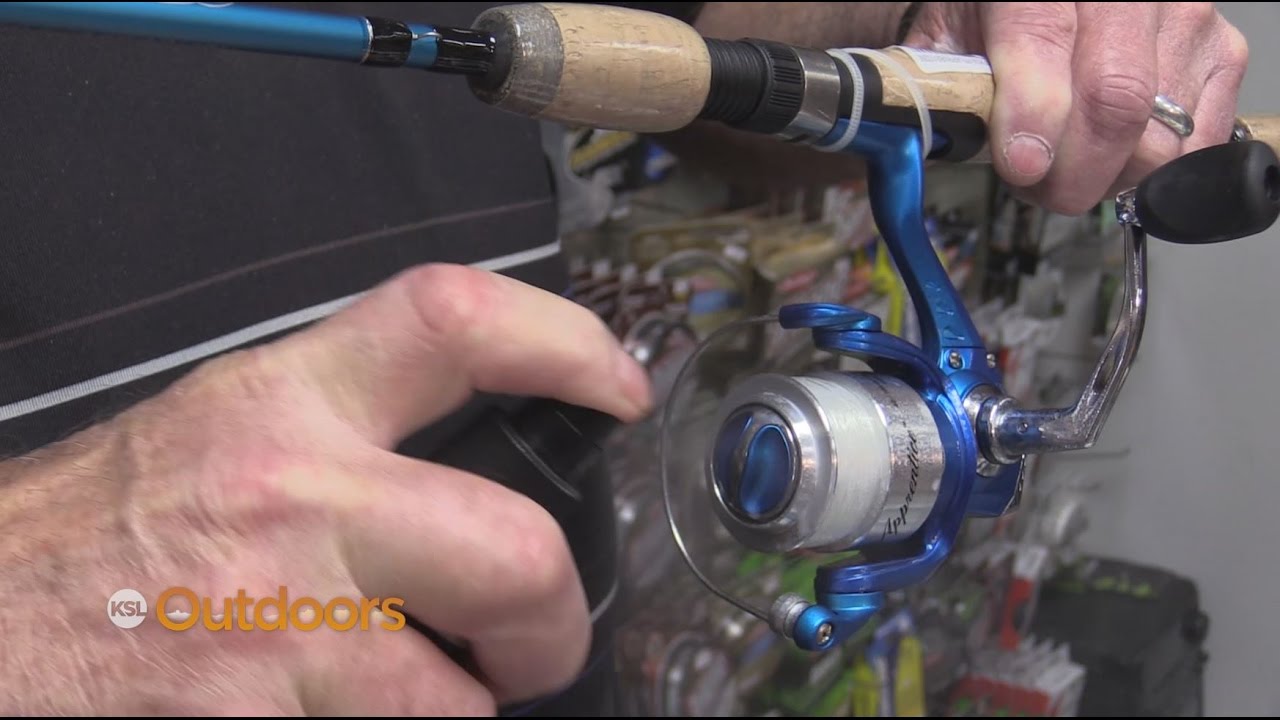
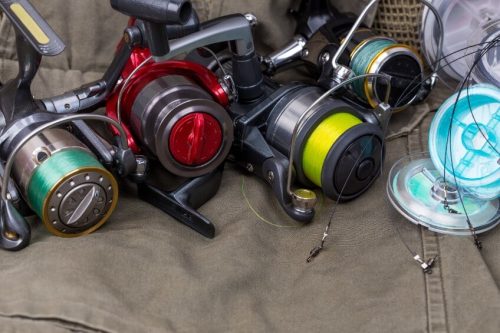
When filling a spinning reel, match the direction of the filler spool with the reel spool whenever possible. Keep steady pressure while adding line so it sits evenly.
- ✦ Do not overfill
Too much line creates loose loops that jump off the spool during casts.
- ✦ Keep even pressure
Loose wraps create uneven layers and increase future coil problems.
- ✦ Match line and reel
A large diameter line on a small reel often creates more memory and management issues.
Checking Spool Fill Level
Most spinning reels work best when the line sits close to the spool edge without spilling over. A correct fill level allows smoother line release and fewer loops.
- ✦ Ideal spacing
Leave a small gap between the line and the spool lip.
How Reel Use Creates Fishing Line Coils
Even a perfectly spooled reel can develop coils if the fishing method creates repeated twisting. Certain lures, swivels, and techniques put extra rotation into the line.
Learning fishing line developing coils how to reduce also means learning how to prevent new twists. Good habits during fishing are just as important as preparation.

- ✦ Use quality swivels
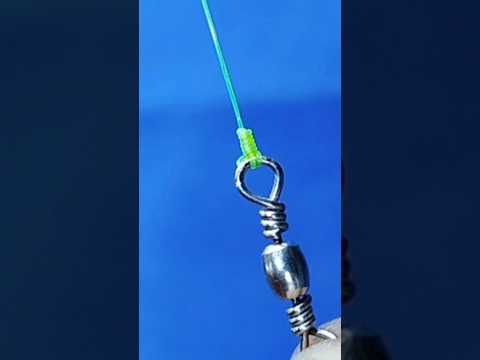
Swivels can help reduce twist from spinning lures and rotating bait.
- ✦ Check lure movement
A lure that spins incorrectly may add unwanted line rotation.
Signs Your Line Has Too Much Twist
A twisted line often jumps from the reel, forms loops near the rod tip, or creates repeated tangles. These signs mean the line needs attention before the next trip.
- ✦ Visible loops
Loose circles appearing after casting usually indicate twist or memory.
Storage Tips That Keep Fishing Line Straight
Storage plays a major role in fishing line developing coils how to reduce. A reel left in a hot garage, direct sunlight, or extreme temperatures can develop more memory.
Store reels in a cool, dry place. Avoid crushing the spool or leaving line exposed for long periods.

- ✦ Protect from heat
High temperatures can make some fishing lines lose strength and flexibility.
- ✦ Cover your reels
A reel cover protects line from sunlight and dust.
When to Replace Fishing Line
Replace line when it becomes rough, brittle, badly curled, or damaged. Fresh line often solves coil problems that cleaning cannot fix.
- ✦ Inspect often
Run your fingers along the first several feet to find damage.
Choosing the Right Fishing Line to Minimize Coils
Choosing the right line can make fishing line developing coils how to reduce much easier. Anglers who fish often should consider how line material matches their reel, technique, and fishing conditions.
Braided line is popular for anglers who want low memory. However, leaders made from fluorocarbon or monofilament still require proper care to avoid coils.
- ✦ For fewer coils
Braided line usually creates fewer memory problems than stiff monofilament or fluorocarbon.
- ✦ For clear water
Fluorocarbon works well but may need more maintenance because of stiffness.
Balance Strength and Manageability
The strongest line is not always the easiest line to manage. Select a line that fits your fishing style and reduces daily handling problems.
- ✦ Match conditions
Consider fish size, cover, water clarity, and casting needs.