When anglers ask how forage affects fish location, the answer often starts with a simple idea: big fish go where the food is. Predatory fish such as bass, trout, walleye, striped bass, and redfish spend much of their lives searching for areas where forage fish gather.
Over years of studying fishing patterns, one lesson becomes clear: finding baitfish often means finding predators. In U.S. lakes, rivers, and coastal waters, forage movement can change daily based on light, temperature, current, and seasonal cycles.

Why forage fish control predator location
Forage fish are small species that provide food for larger fish. examples include shad, minnows, herring, anchovies, alewives, and young-of-year fish. These species form the foundation of many aquatic food chains.
Understanding how forage affects fish location starts with predator survival. A game fish does not usually pick a location randomly. It chooses places where it can find enough food while using less energy to hunt.
- ✦ Food availability
Predators often stay near areas where forage fish are abundant because these locations provide regular feeding opportunities.
- ✦ Energy efficiency
Fish prefer hunting spots where they can catch prey without wasting too much energy.
- ✦ Natural feeding zones
Points, weed edges, flats, and current breaks often attract forage and predators together.
The predator-prey connection
The relationship between forage and predators is one of the strongest patterns in fishing. When baitfish move, larger fish often follow because their survival depends on these movements.
This is why anglers often watch for signs such as birds diving, bait breaking the surface, or fish showing on sonar. These clues reveal where the food chain is active.
How seasonal forage movement changes fish location
Seasonal changes strongly influence how forage affects fish location. In spring, many baitfish move into shallow areas to feed and reproduce. Predators often move there because the food supply becomes easier to access.
During summer, forage may move deeper to find cooler water. Predatory fish often follow these movements and spend more time near offshore structures, channels, and shaded areas.

- ✦ Spring patterns
Warming water pushes many forage species into shallow zones where predators can feed aggressively.
- ✦ Summer patterns
Deep water, oxygen-rich areas, and thermoclines can hold large groups of baitfish.
- ✦ Fall patterns
Cooling water often triggers bait movement, creating feeding opportunities for predators preparing for winter.
Winter forage behavior
In colder months, forage fish often become less active and gather in tighter groups. Predators may position nearby and wait for easy feeding chances.
Knowing these seasonal habits helps anglers avoid empty water and focus on areas where prey naturally concentrates.
How habitat determines where forage gathers
Habitat plays a major role in how forage affects fish location. Small fish need places to hide, feed, and reproduce. These needs create predictable areas where predators search for them.
Healthy habitats such as grass beds, rocky shorelines, docks, fallen trees, and river channels often hold both forage and game fish.

- ✦ Vegetation areas
Aquatic plants provide shelter for small fish and create ambush zones for predators.
- ✦ Structure zones
Rocks, logs, and underwater changes attract baitfish and offer hiding places.
- ✦ Current areas
Moving water brings food and concentrates forage where predators can feed efficiently.
Why structure matters
Predators rarely chase forage randomly across open water. They often use structure to trap prey and reduce escape options.
For anglers, this means a single piece of cover near a forage source can hold fish for long periods.
How water conditions affect forage and predator movement
Water conditions can quickly change how forage affects fish location. Temperature, clarity, oxygen levels, and current all influence where baitfish feel safe.
Predators respond to these changes because their prey responds first. Tracking forage behavior can help anglers predict where larger fish may move next.

- ✦ Water temperature
Forage fish move toward temperatures that support feeding and survival, bringing predators with them.
- ✦ Water clarity
Clear and muddy water can change how forage hides and how predators hunt.
- ✦ Oxygen levels
Fish often avoid areas with poor oxygen and move toward healthier water conditions.
The role of current
Current creates natural feeding areas because it carries insects, plankton, and small organisms that attract forage fish.
Predators often wait near these current breaks because moving water delivers food directly to them.
How anglers can use forage patterns to find fish
Learning how forage affects fish location changes the way anglers approach new waters. Instead of fishing random areas, they can search for signs of active food chains.
Modern tools such as fish finders, maps, and seasonal knowledge make it easier to identify likely forage locations before making a cast.
- ✦ Watch surface activity
Jumping baitfish, birds, and surface disturbances often reveal feeding activity.
- ✦ Use sonar carefully
Electronics can help locate bait schools and nearby predator movement.
- ✦ Match the hatch
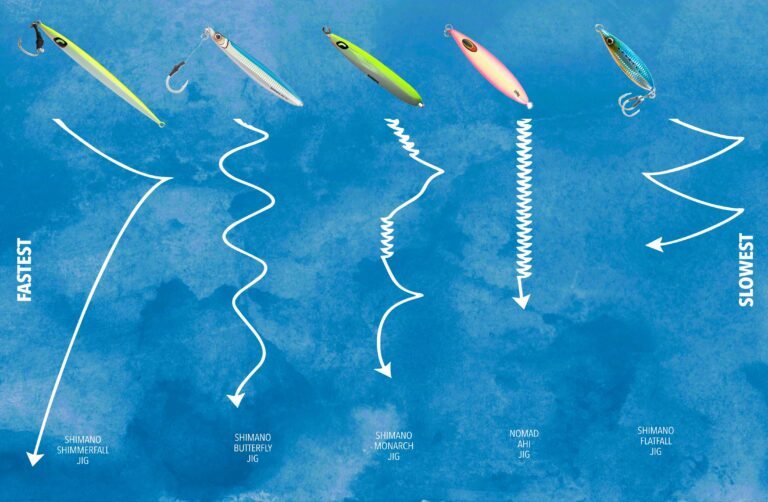
Choose lures that imitate the size, shape, and movement of local forage species.
Practical example from U.S. waters
Many bass anglers in American reservoirs look for schools of shad because bass often follow these baitfish groups. When shad move into a creek arm or along a point, predators may gather nearby.
The same principle applies in coastal fishing, where species like striped bass follow schools of smaller baitfish during feeding migrations.
Frequently Asked Questions about how forage affects fish location

fishingscouty
Contributor