6–10 lb test for most trout; lighter for clear streams, heavier for big or snaggy water.
As an angler with decades of time on rivers, lakes, and backcountry streams, I’ll walk you through exactly what size line for trout fishing works best and why. This guide breaks down line types, pound tests, real-world setups, and simple rules you can use at the water. You’ll learn how to match line strength to fish size, water clarity, tackle, and bait. Read on and you’ll leave confident about choosing the right line for your next trout trip.

Why line size matters for trout fishing
Choosing what size line for trout fishing affects hookups, casts, strike rates, and landing success. Too heavy a line can spook trout and reduce lure action. Too light a line can cost you fish when you hook a big one or fight through structure. The right line balances invisibility, strength, and handling.
Line diameter affects how a lure runs and how much drag you feel at the reel. Line stretch affects hook sets and fight control. Water clarity, current speed, and cover all change what size line for trout fishing you should use. Know these basics and you’ll catch more trout with fewer lost fish.
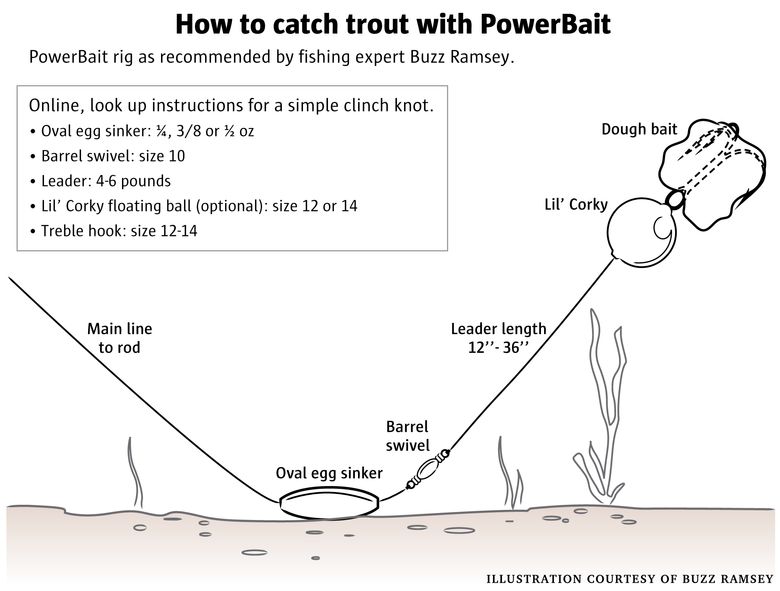
Types of line and how they influence line size choice
Monofilament
- Soft and stretchy. It gives shock absorption on hook sets.
- Monofilament in 4–8 lb test is common for small to average trout.
- It is inexpensive and floats, which helps some surface presentations.
Fluorocarbon
- Lower visibility underwater and sinks faster than mono.
- Fluoro in 4–10 lb test is ideal for clearer water or deeper baits.
- It resists abrasion—good near rocks, logs, or toothy fish.
Braided line
- Very thin for its strength and nearly no stretch.
- Use braid 10–30 lb when you need small diameter and high strength (deep river runs, heavy cover).
- Add a fluorocarbon or mono leader to reduce visibility when trout are line-shy.
How these types affect what size line for trout fishing
- A 6 lb monofilament has a larger diameter and more stretch than a 6 lb fluorocarbon. That changes how lures move and how you feel strikes.
- When trout are picky, choose lower-visibility lines like fluorocarbon, which lets you use slightly higher pound-test without spooking fish.
- Where heavy cover exists, braid lets you run high test while keeping lure action and casting distance.
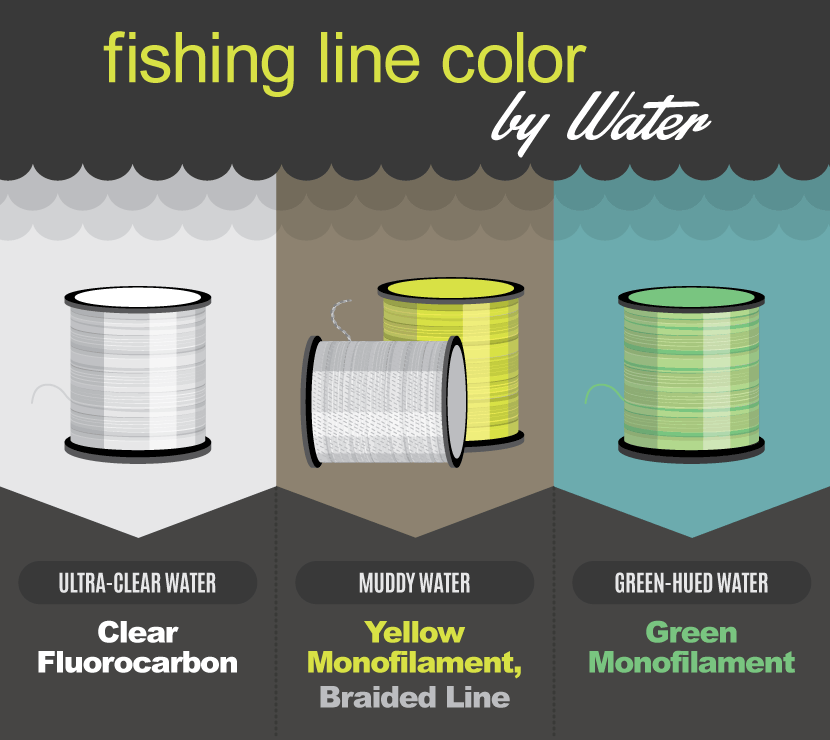
Recommended line sizes by situation
Small clear streams and picky trout
- Use 2–6 lb test monofilament or fluorocarbon.
- Lighter line improves presentation and reduces spooking.
Typical rivers and lakes
- Use 4–8 lb test mono or fluoro for general trout fishing.
- 6 lb is a versatile choice for many anglers, balancing strength and invisibility.
Stocked ponds and pressured waters
- Use 4–6 lb fluorocarbon or 6–8 lb mono.
- Fluorocarbon’s low visibility helps in pressured conditions.
Big trout, deep water, or lots of snags
- Use 8–12+ lb fluorocarbon or 10–30 lb braid with a 4–8 lb fluoro leader.
- Heavier line reduces break-offs and helps control large fish.
Fly fishing versus spin techniques
- For spinning gear, use the pound tests above.
- For fly rods, line weight is different: match rod weight to fly line, then use a 4–6 lb tippet for trout dry-fly and nymph work.
Practical setups
- Youth/ultralight lake rig: 4 lb mono, small spinning reel, 2–3” lures.
- Versatile river rig: 6 lb fluorocarbon, light spinning rod, small spinners or bait.
- Heavy cover rig: 15 lb braid mainline with 6 lb fluoro leader.

How to match line size to tackle, bait, and technique
Match line size to lure weight and rod action
- Ultralight rods work best with 2–6 lb line.
- Medium-light rods accept 6–8 lb line and handle larger lures.
Adjust for hook and leader strength
- Use a leader slightly higher in abrasion resistance if you need extra protection.
- For braided mainline, tie a 4–8 lb fluorocarbon or mono leader to reduce visibility.
Knots and line size
- Knots can weaken a line. Use tested knots that work with thin-diameter lines.
- Palomar and improved clinch are good for mono and fluoro; uni-to-uni works well for braid-to-leader.
Reel drag, spool capacity, and line size
- Smaller diameter lines let you spool more line. This matters on big rivers.
- Check drag settings when switching pound tests. Tighter drags increase break-off risk on light line.

My experience: lessons, mistakes, and tips from the water
I once used 10 lb braid on a clear mountain creek and caught fewer fish because the line sat too stiff and spooked trout. I switched to 4–6 lb fluorocarbon and immediately saw better results. That taught me to match visibility and feel to the water.
Common mistakes I’ve made and seen
- Using heavy line “just in case” and losing subtle takes.
- Failing to match leader material to mainline, causing visibility problems.
- Overlooking knot strength when using lighter tests.
Practical tips I use every trip
- Carry a spool of 4 lb, 6 lb, and 10 lb line to adapt quickly.
- Test knots before you fish. A failed knot costs fish.
- If water clarity is great, pick fluorocarbon at least one test higher than you’d normally use, because it’s less visible.

Practical testing and choosing at the bank
A simple bank test
- Tie the line to a weight or a small lure.
- Cast and watch lure action and casting distance.
- Lift the rod sharply and test hook-set feel.
Trial checklist
- Is the lure running true?
- Can you feel light strikes?
- Does the line spook fish in shallow, clear water?
When to change line during a trip
- When you lose fish to abrasion.
- When trout become line-shy in clear conditions.
- When current or wind demands more strength or control.
Quick questions anglers ask (PAA-style)
What size line for trout fishing in clear water?
- Use 2–6 lb fluorocarbon or low-diameter 4–6 lb mono for the best presentation.
What size line for trout fishing in heavy cover?
- Use 10–30 lb braid or 8–12 lb fluorocarbon, often with a lighter leader for stealth.
Can I use braided line for trout fishing?
- Yes. Braid gives thin diameter and high strength. Add a fluorocarbon leader to reduce visibility.
Frequently Asked Questions of what size line for trout fishing
What size line for trout fishing in small mountain streams?
Use 2–6 lb test, with fluorocarbon for clear water and mono for general use. Light line improves presentations and hook-up rates.
What size line for trout fishing in lakes for bigger trout?
Use 6–10 lb fluorocarbon or 10–20 lb braid with a 6–8 lb leader. This helps fight larger fish and handle deeper water.
Is 4 lb line too light for trout?
4 lb is fine for small trout and clear water. It risks break-offs on larger trout or around snags.
Should I use the same line for lures and bait?
Match line to technique. Light line works for small lures; slightly heavier line helps when using bigger baits or when fishing cover.
How does water clarity change what size line for trout fishing?
Clear water means trout see line better, so use lighter, low-visibility lines like fluorocarbon in lower pound tests. Murky water allows heavier tests.
Conclusion
Choosing what size line for trout fishing comes down to water clarity, fish size, cover, and presentation. Use lighter lines for clear, pressured water and heavier or braided setups when cover or big trout demand strength. Test setups at the bank, carry a few spools, and learn from small errors—each trip makes your choices sharper. Try one change next trip: replace your mainline with a 6 lb fluorocarbon and notice the difference in hookups and confidence. Share your results or questions below and subscribe for more practical tips.