Many anglers and pond owners ask, what is a spawning bed, because these areas play a major role in fish reproduction. A spawning bed is a shallow, protected spot where fish prepare nests to lay eggs. These areas help keep eggs safe and give young fish a better chance of survival.
From managing private ponds in the United States to fishing natural lakes, understanding spawning beds helps people protect healthy fish populations. Species like bass, bluegill, trout, and salmon rely on suitable spawning areas during their breeding seasons.
A good spawning bed is not just a random patch of water. Fish choose locations based on depth, water temperature, bottom material, oxygen levels, and protection from predators. Knowing these details can help anglers understand fish behavior and help property owners improve aquatic habitats.

What Is a Spawning Bed and How Does It Work?
A spawning bed is a specific area where fish create nests for reproduction. Male fish often prepare the area by clearing debris and moving gravel or sand to form a safe place for eggs. Female fish then release eggs into the nest, where males fertilize them.
The design of a spawning bed depends on the fish species. Some fish prefer shallow gravel areas, while others choose sandy bottoms or protected sections near plants. The main goal is to provide a stable place where eggs can receive oxygen and avoid damage.
When people ask what is a spawning bed, they often imagine a simple hole in the bottom of a lake. In reality, spawning beds are carefully selected locations shaped by fish behavior and environmental conditions.
- ✦ Egg protection
Spawning beds help protect eggs from strong currents, sediment buildup, and some predators.
- ✦ Fish reproduction
These areas provide the right conditions for successful breeding and healthy young fish.
- ✦ Habitat improvement
Spawning beds improve the overall quality of ponds and lakes by supporting fish life cycles.
Why Fish Build Spawning Beds
Fish build spawning beds because eggs need a safe environment during early development. A clean bottom with proper water movement helps deliver oxygen and removes waste around the eggs.
- ✦ Better survival rates
A protected nest gives young fish a stronger chance of reaching maturity.
What Do Spawning Beds Look Like?
A spawning bed can look different depending on the fish species and location. In clear water, anglers may see circular patches of clean gravel or lighter-colored areas on the lake bottom. These visible areas are common signs of fish nesting activity.
Bass and bluegill spawning beds are often found in shallow water near shorelines. Salmon spawning beds, also called redds, may appear as cleaned gravel areas in streams where fish move rocks to create nests.
Understanding what a spawning bed looks like helps fishermen identify active breeding areas without disturbing them.

- ✦ Circular patterns
Many freshwater fish create round nest areas by moving sediment away from a chosen spot.
- ✦ Clean bottom areas
Fish often remove mud and debris to create a healthier environment for eggs.
Common Materials Found in Spawning Beds
Most natural spawning beds contain gravel, small rocks, sand, or firm soil. These materials allow water movement and reduce the chance of eggs being covered by loose sediment.
- ✦ Gravel
Gravel is one of the most common materials because it allows oxygen-rich water to flow around eggs.
- ✦ Sand
Some species use sandy areas when gravel is not available.
Which Fish Species Use Spawning Beds?
Many freshwater and marine fish use spawning areas during reproduction. In the United States, anglers commonly observe spawning behavior from bass, bluegill, crappie, trout, and salmon.
Different species have different spawning needs. For example, largemouth bass often create nests in shallow protected areas, while salmon travel upstream to build gravel nests in rivers.
Learning what is a spawning bed for each species can help anglers understand seasonal fish movements and improve fishing strategies.

- ✦ Bass
Bass usually create shallow nests with clean bottoms during warmer months.
- ✦ Bluegill
Bluegill often form groups of small spawning beds in shallow water.
- ✦ Salmon
Salmon create gravel nests in rivers where eggs can develop with flowing water.
How Environmental Conditions Affect Spawning Beds
The success of a spawning bed depends on several environmental factors. Water temperature, oxygen levels, depth, and water quality all influence whether fish choose a location for nesting.
Fish usually wait until conditions are suitable before spawning. If water quality drops or sediment covers the nest, eggs may struggle to survive.
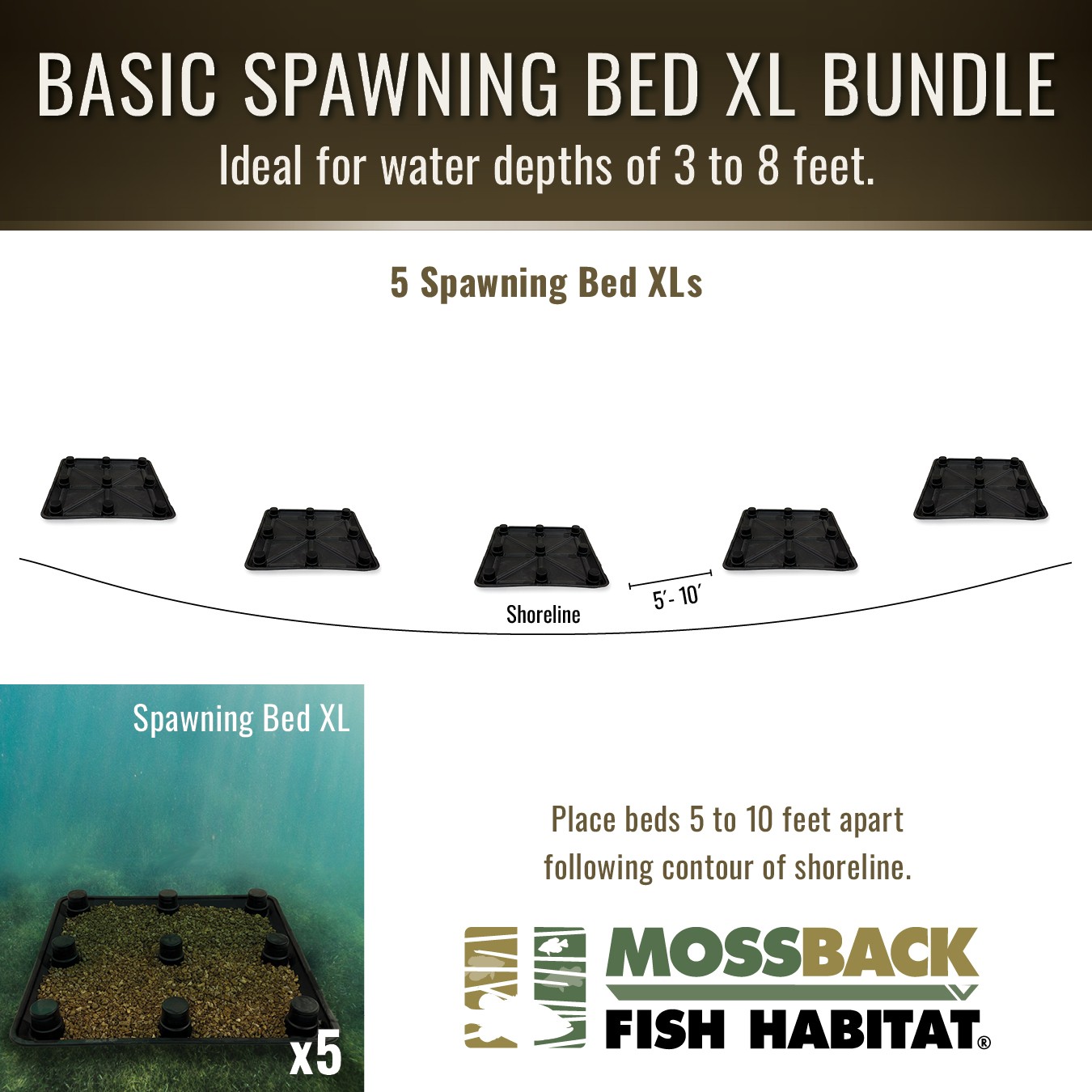
Pond owners in the U.S. often improve habitat by maintaining clean water and adding structures that support natural spawning behavior.
- ✦ Water temperature
Many fish begin spawning when water reaches a specific seasonal temperature range.
- ✦ Oxygen supply
Eggs need oxygen-rich water to develop properly.
- ✦ Water depth
The right depth protects nests from extreme conditions and some predators.
How to Create a Spawning Bed in a Pond or Lake
Many private pond owners create artificial spawning areas to support fish growth. A well-designed spawning bed can improve reproduction and help maintain a balanced fish population.
Creating a spawning bed usually involves selecting the right location, adding suitable materials, and keeping water conditions healthy. The process should match the needs of the fish species living in the pond.
Before adding habitat structures, it is helpful to understand what is a spawning bed and how local fish use their environment.

- ✦ Choose shallow areas
Many pond fish prefer protected shallow zones with easy access to warmer water.
- ✦ Use clean gravel
Small gravel provides a stable surface for many species to build nests.
- ✦ Protect water quality
Clear, oxygen-rich water improves spawning success.
Benefits of Artificial Spawning Beds
Artificial spawning beds can help ponds with poor natural nesting areas. They give fish more options for reproduction and may support healthier populations over time.
- ✦ Improved habitat
Added structures create more useful areas for fish reproduction.
Frequently Asked Questions about what is a spawning bed

fishingscouty
Contributor