If you are searching for what is side imaging on a fish finder, the simple answer is that it is a sonar feature that scans the water to the left and right of your boat. Instead of only looking below the transducer, side imaging creates a wider view of the underwater world.
Many anglers in the United States use side imaging when fishing lakes, rivers, and reservoirs because it helps them find hidden cover faster. From my experience studying fishing electronics, the biggest advantage is not just seeing fish. It is understanding where fish are likely to hold.
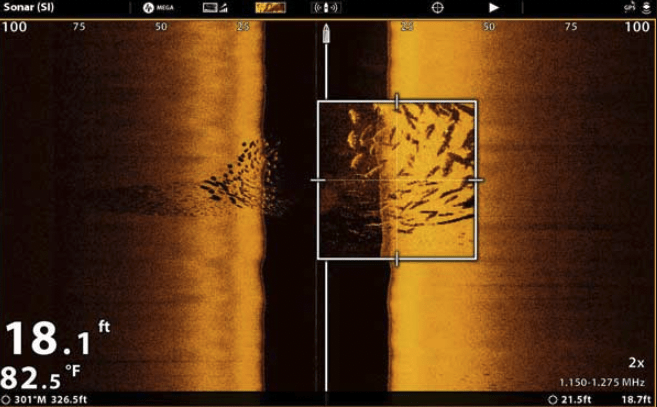
A good side imaging display can reveal brush piles, rock piles, submerged trees, drop-offs, and schools of baitfish. Once you learn what the images mean, you spend less time searching empty water and more time fishing areas with potential.
How Side Imaging Works on a Fish Finder
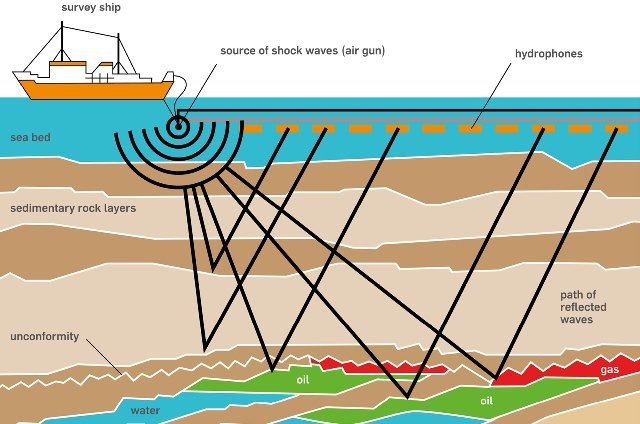
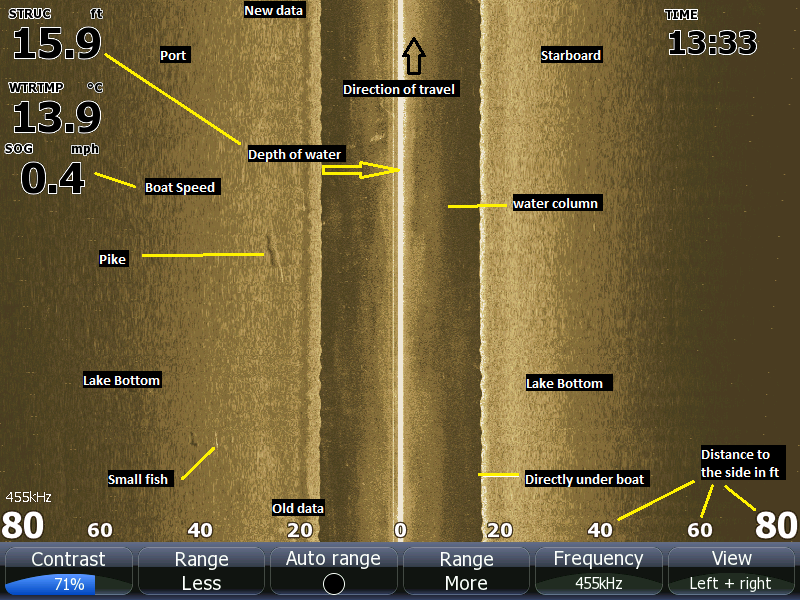
Side imaging works by sending thin sonar beams outward from both sides of a boat-mounted transducer. The sonar waves travel across the bottom and bounce back when they hit objects, changes in depth, or underwater surfaces.
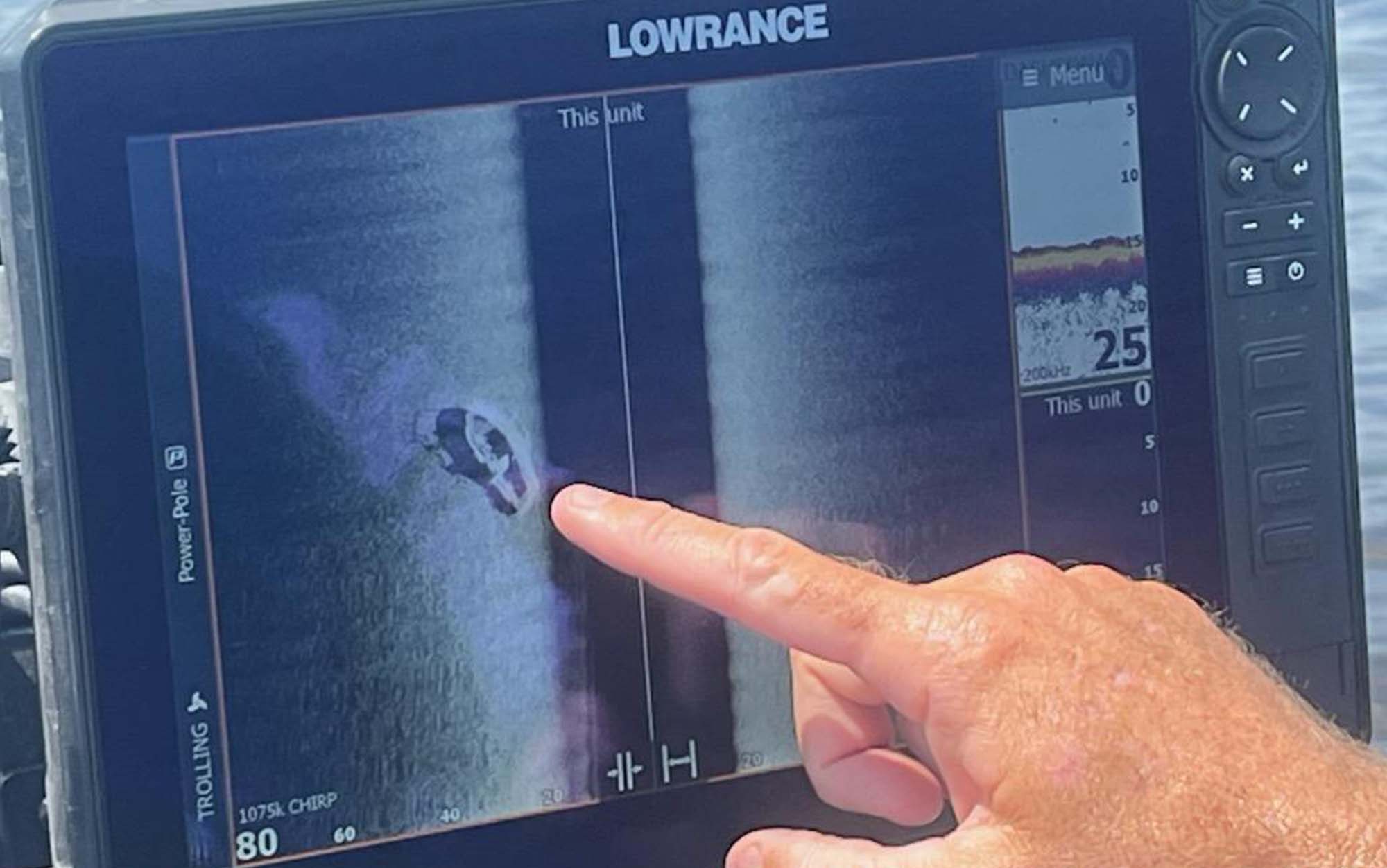
The fish finder then turns these returning signals into a picture on the screen. Strong returns often appear as bright areas, while shadows behind objects help show their size and shape.
Understanding what is side imaging on a fish finder means understanding that it is not a camera. It is a detailed sonar map created from sound waves and signal processing.
- ✦ Wide scanning area
Side imaging can cover large areas beside the boat, helping anglers search water more efficiently.
- ✦ Sonar-based image
The display shows processed sonar information rather than a true underwater photograph.
The Role of the Transducer
The transducer is the part of the system that sends and receives sonar signals. Its placement affects image quality, so proper installation is important.
A poorly mounted transducer may create distorted images, missing details, or inaccurate readings.
What Can You See With Side Imaging Sonar?
One reason anglers ask what is side imaging on a fish finder is because they want to know what appears on the screen. Side imaging can reveal much more than fish symbols.
The most valuable information often comes from underwater structure. Fish frequently use structure for shelter, feeding, and protection from current or temperature changes.
With practice, anglers can identify likely fishing spots before making a cast.

- ✦ Submerged cover
Side imaging can help locate trees, vegetation, brush piles, and artificial habitat.
- ✦ Bottom changes
Rock, sand, mud, and steep depth changes may create different sonar patterns.
- ✦ Fish activity
Groups of fish may appear as small marks or shadows depending on conditions and settings.
Side Imaging vs Down Imaging: What Is the Difference?
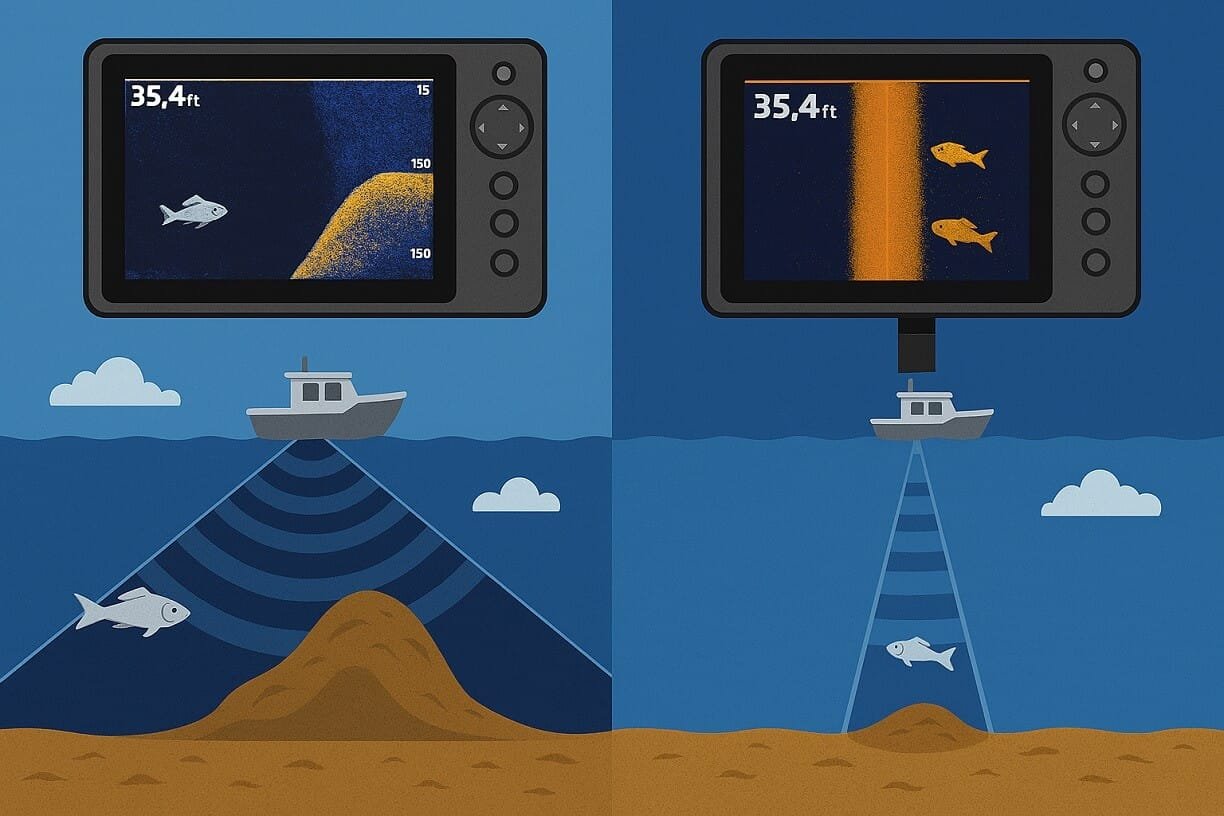
When comparing side imaging and down imaging, the main difference is the direction of the sonar scan. Side imaging looks outward, while down imaging focuses below the boat.
Side imaging is useful for covering large areas and finding targets away from the boat. Down imaging provides a more direct view of objects underneath the transducer.
Many modern fish finders combine both features because they answer different fishing questions.
- ✦ Side imaging strength
Best for searching wide areas and locating structure away from the boat.
- ✦ Down imaging strength
Best for viewing details directly below the boat.
Choosing the Right View
Experienced anglers often use side imaging while traveling between fishing spots. They switch to other sonar views when they find promising areas.
Benefits of Using Side Imaging on a Fish Finder
The biggest benefit of side imaging is efficiency. Instead of guessing where fish may be located, anglers can scan areas and make informed decisions.
For boat anglers across the United States, this technology is especially helpful on large lakes where finding productive water can take hours without electronics.
Learning what is side imaging on a fish finder can improve your confidence because you begin to understand underwater features that are invisible from the surface.
- ✦ Find new fishing areas
Scan unfamiliar water and identify places worth exploring.
- ✦ Save fishing time
Spend more time casting in promising locations instead of searching blindly.
- ✦ Improve lake knowledge
Build a better understanding of underwater terrain over time.
Common Side Imaging Mistakes and Limitations
Although side imaging is powerful, it is not a magic fish detector. Good results depend on water conditions, boat speed, settings, and how well you interpret the display.
A common mistake is expecting the screen to show perfect pictures of every fish. Sonar requires skill, and many anglers improve by comparing screen images with real fishing results.
Knowing the limits of side imaging helps you use it as a tool instead of relying on it alone.

- ✦ Wrong settings
Poor sensitivity, contrast, or range settings can make images harder to understand.
- ✦ Too much speed
Moving too quickly may reduce image detail because the sonar has less time to collect data.
- ✦ Ignoring shadows
Shadows often provide important clues about object size and shape.