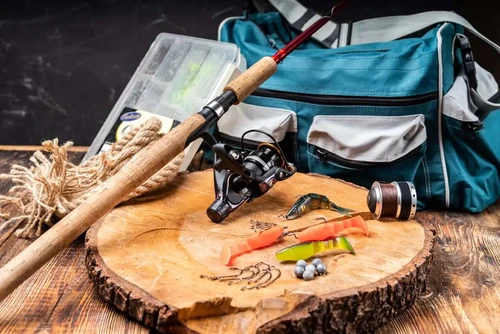
Fishing leader connection failing how to fix is a common problem for anglers across the United States. A leader that slips, breaks, or pulls apart can ruin a great day on the water. The good news is that most failures have simple causes that you can correct.
After years of rigging spinning reels, baitcasters, and fly setups, I have found that small details matter most. A clean knot, fresh leader material, and the correct connection method can make the difference between landing a fish and watching your line snap.
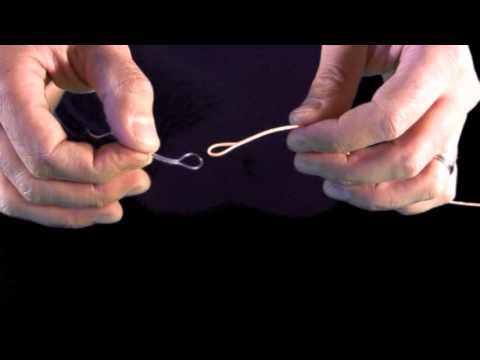
Why fishing leader connections fail
Understanding why a fishing leader connection failing how to fix issue happens is the first step. Most failures are caused by weak knots, damaged leader material, or poor matching between the main line and leader.
Many anglers focus on rods and reels but overlook the connection point. The leader knot is often the smallest and most stressed part of the entire setup.
- ✦ Weak knot structure
A poorly tied knot may look correct but can lose strength when pulled under pressure.
- ✦ Damaged leader material
Cuts, abrasions, sun damage, and repeated stress can weaken fluorocarbon or monofilament leaders.
- ✦ Wrong connection choice
Some knots work better for braid, fluorocarbon, monofilament, or fly line systems.
Signs your leader connection is failing
Watch for slipping knots, rough areas, loose wraps, unexpected breaks, or a leader that separates with light pressure. These signs mean the connection needs attention before your next cast.
- ✦ Visible damage
Inspect the knot and nearby line for fraying or flattening.
How to fix a weak leader knot connection
When learning fishing leader connection failing how to fix methods, start by replacing the damaged knot instead of trying to tighten it again. A failed knot rarely becomes reliable after damage occurs.
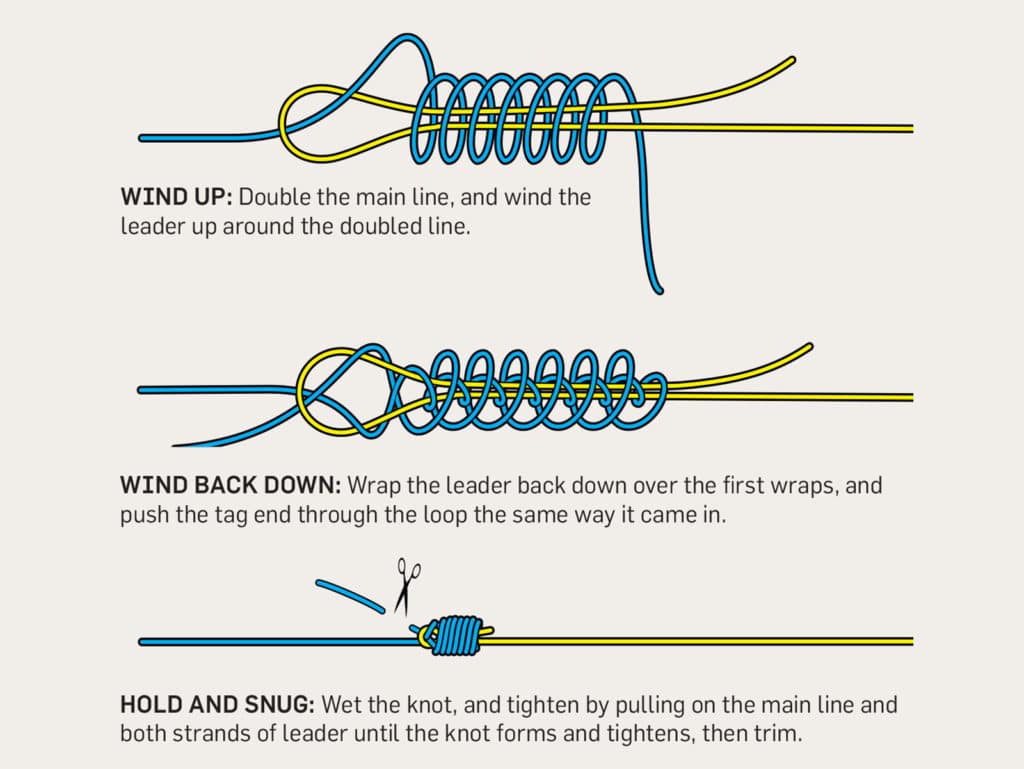
Choose a proven knot and tie it slowly. Popular choices include the Double Uni Knot, FG Knot, Alberto Knot, and loop-to-loop connections.

- ✦ Retie the knot
Cut away the old connection and create a fresh knot with clean line.
- ✦ Wet the knot before tightening
Moistening the knot reduces friction and helps wraps tighten smoothly.
Improve knot strength with proper finishing
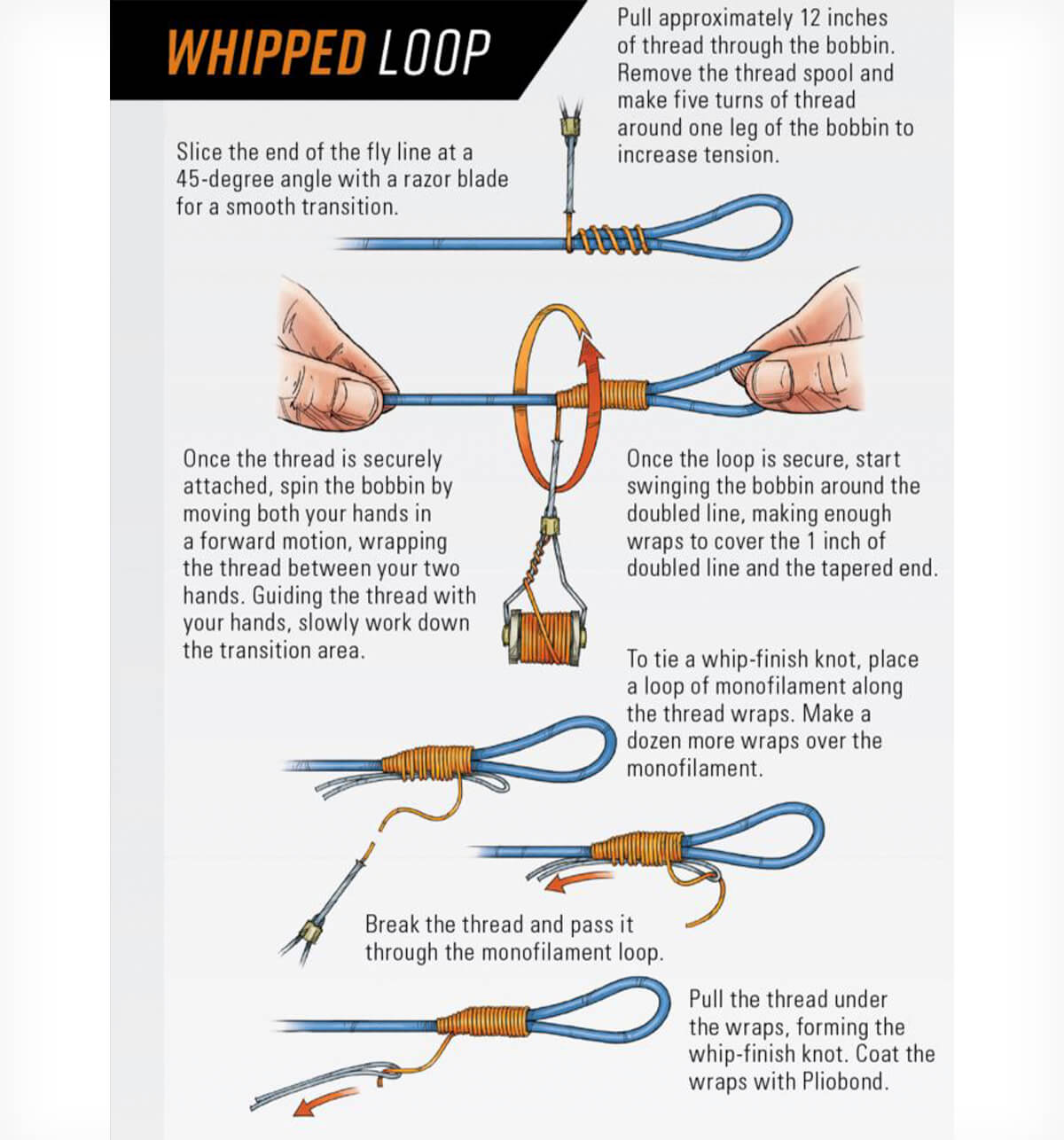
Trim tag ends carefully and check that wraps sit neatly. Uneven wraps can create weak points that fail during a hard pull.
Fixing braid to leader connection problems
Braid to leader failures are among the most common issues anglers ask about when searching fishing leader connection failing how to fix. Braid is thin and slippery, so it needs knots that grip properly.
The FG Knot is popular because it creates a slim connection that passes through guides well. The Alberto Knot and Double Uni Knot are also useful choices for many fishing styles.

- ✦ Use enough wraps
Too few wraps can allow braid to slide under heavy pressure.
- ✦ Match line sizes
Extreme differences between braid and leader diameter can reduce knot performance.
How leader material affects connection strength
Your leader material plays a major role in fishing leader connection failing how to fix situations. Fluorocarbon, monofilament, and wire leaders each behave differently when tied.
Fluorocarbon is stiff and abrasion resistant but can be harder to knot. Monofilament is flexible and forgiving, while wire leaders require special connections.
- ✦ Fluorocarbon problems
Poor tightening technique can cause heat damage or slipping.
- ✦ Old leader problems
Replace leaders that show cracks, bends, or rough sections.
Choosing the correct leader for your fishing style
Bass anglers, surf anglers, offshore anglers, and fly fishermen often need different leader setups. The best connection depends on fish species, water conditions, and tackle.
Preventing future leader connection failures
Preventing problems is easier than repairing them on the water. A strong fishing routine includes checking knots before every trip and after catching aggressive fish.
For anglers searching fishing leader connection failing how to fix answers, prevention is the most reliable solution. Small inspections save time and tackle.
- ✦ Test before fishing
Pull the connection firmly by hand before making your first cast.
- ✦ Carry extra leader material
A backup spool allows quick repairs during trips.