When a fishing rod reel seat won’t hold reel how to fix becomes a concern, most anglers notice the same problem: the reel starts moving, twisting, or slipping during a cast or while fighting a fish. This can make fishing uncomfortable and may reduce control when you need it most.
After years of handling fishing equipment, I have found that most loose reel seat problems come from simple issues like dirt buildup, worn threads, or a weak connection between the reel seat and the rod blank. A careful inspection can often reveal the problem before you replace the entire rod.
This guide explains how to diagnose and repair a fishing rod reel seat won’t hold reel how to fix problem using practical steps. These methods work for many spinning rods, baitcasting rods, and other common fishing setups used by anglers across the United States.
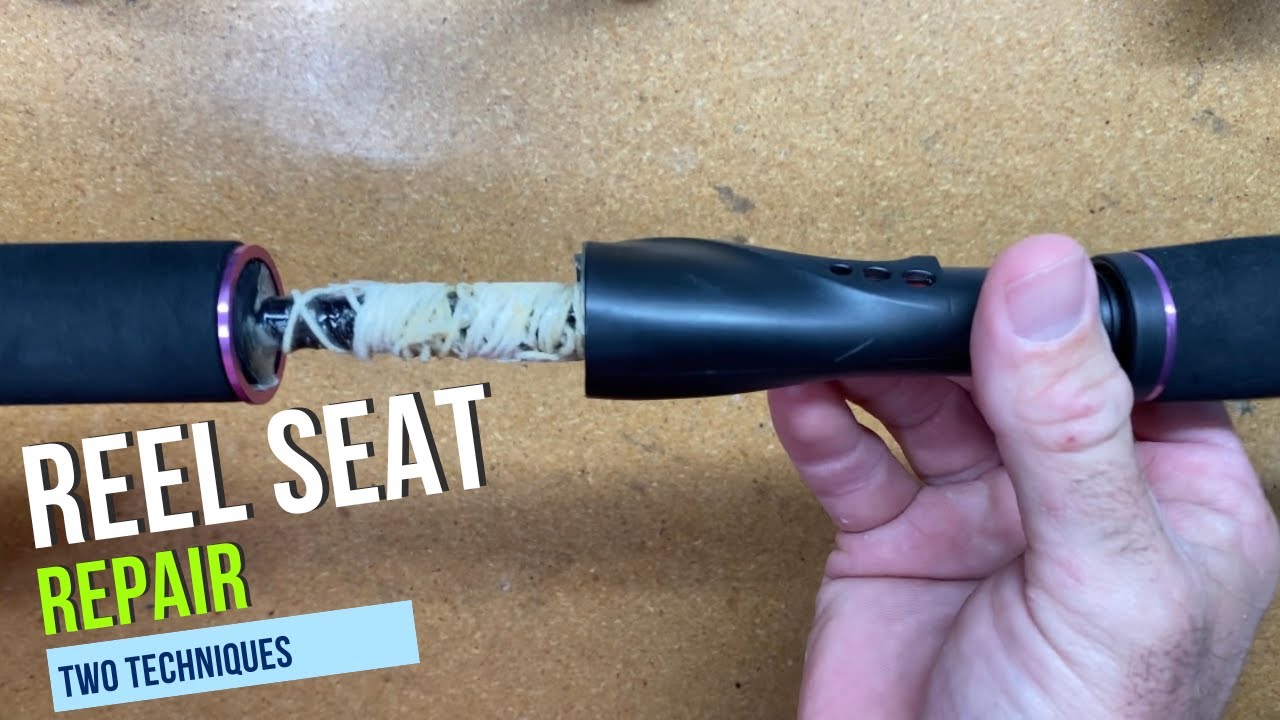
Why Your Fishing Rod Reel Seat Won’t Hold Reel
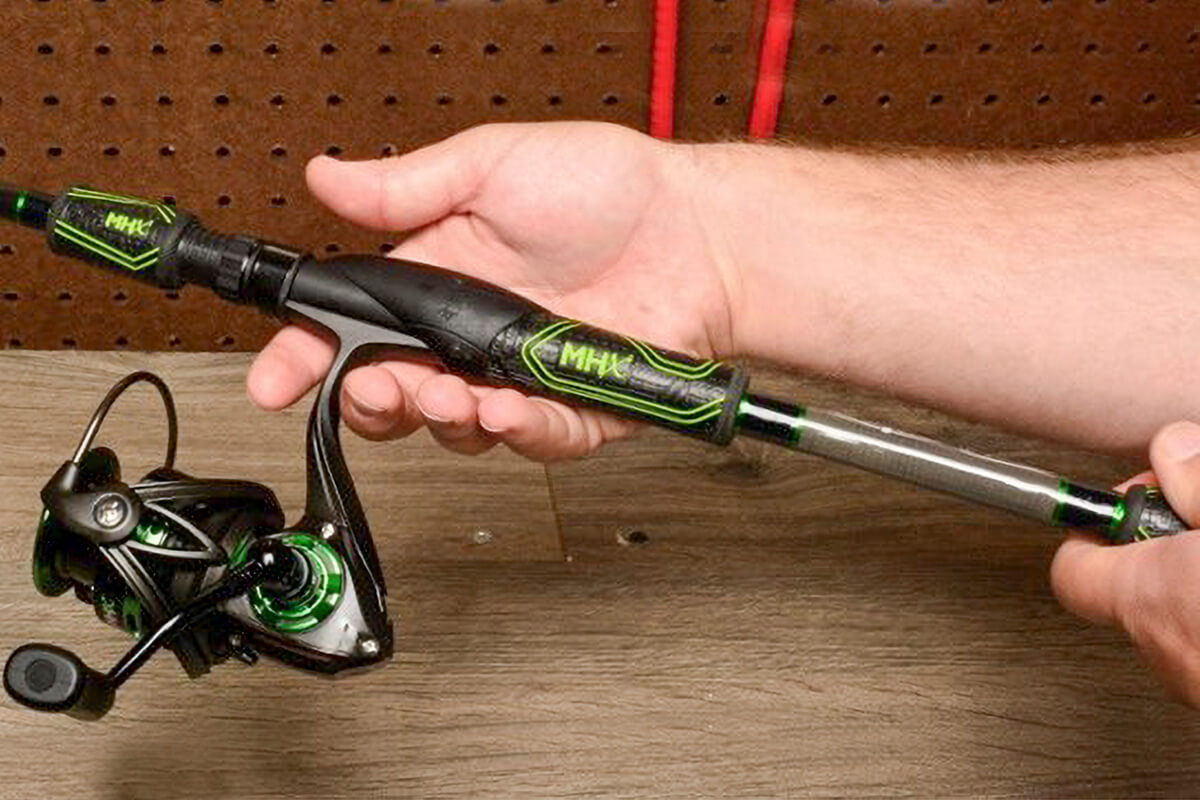
A reel seat holds your fishing reel firmly against the rod. When it fails, the reel can shift from side to side or move forward and backward. This usually means one part of the locking system is not creating enough pressure.
Before fixing the issue, inspect the reel seat closely. Finding the exact cause will help you choose the right repair method and avoid damaging the rod further.
- ✦ Worn locking threads
The threads inside the reel seat can wear down over time. When this happens, the locking hood may not tighten enough to secure the reel.
- ✦ Dirty reel seat parts
Sand, salt, and debris can block the threads and stop the locking mechanism from working correctly.
- ✦ Broken reel seat components
Cracked hoods, damaged nuts, or bent metal parts can prevent the reel from staying in place.
How to Inspect a Loose Reel Seat
Remove the reel and check the seat by hand. Turn the locking ring slowly and feel for rough movement, slipping, or areas where the threads skip.
Look for cracks around the reel seat body. Small damage can become worse when you apply pressure during fishing.
- ✦ Check reel movement
Install the reel and gently move it from side to side to identify how much looseness exists.
How to Fix a Fishing Rod Reel Seat That Won’t Hold Reel Step by Step
The best repair depends on the damage level. A simple cleaning job may solve the problem, while a damaged reel seat may need replacement. Start with the easiest solution first.
Many anglers search for fishing rod reel seat won’t hold reel how to fix because they want a quick repair before their next trip. In many cases, you can restore a loose reel seat with basic tools.

- ✦ Clean the reel seat
Remove dirt, salt, and old grease from the threads using warm water, a soft brush, and mild soap.
- ✦ Tighten the locking mechanism
Make sure the reel foot sits correctly inside the seat before tightening the hood firmly by hand.
- ✦ Replace damaged parts
If the locking nut or hood is cracked, replacement parts may be needed for a secure repair.
Temporary Fixes for a Loose Reel Seat
If you are on a fishing trip and cannot replace parts, temporary solutions can help. A small amount of reel seat tape or a thin spacer may reduce movement until you complete a proper repair.
Temporary fixes should not replace a permanent repair when the reel seat has structural damage.
- ✦ Use a thin spacer
A small rubber or plastic spacer can improve reel foot contact in some situations.
Tools Needed for Reel Seat Repair
Having the right tools makes a fishing rod reel seat won’t hold reel how to fix project safer and easier. Most basic repairs do not require expensive equipment.
Use tools carefully because excessive force can crack the reel seat or damage the rod blank underneath.

- ✦ Soft brush
Helps remove dirt and salt from threads without scratching the reel seat.
- ✦ Mild cleaner
Removes buildup that prevents proper locking.
- ✦ Rod repair epoxy
Useful for certain reel seat repairs where the connection between parts has weakened.
- ✦ Replacement reel seat parts
Needed when the original locking system is broken or worn beyond repair.
When Epoxy Repair Is Needed
Some reel seats become loose because the adhesive bond between the seat and rod blank fails. In this case, the seat may need to be removed and reattached with proper rod-building epoxy.
This repair requires more skill because incorrect alignment can affect rod balance and performance.
- ✦ Check before using epoxy
Make sure the reel seat body itself is not cracked before attempting a rebuild.
Common Mistakes When Repairing a Loose Reel Seat
Many anglers make the problem worse by forcing the reel seat tighter than it should go. Too much pressure can damage threads and create a bigger repair issue.
A careful approach saves money and helps your fishing rod last longer.
- ✦ Over tightening
Excess force can crack plastic parts or damage the locking threads.
- ✦ Ignoring small damage
A small crack can quickly become a complete reel seat failure.
- ✦ Using the wrong lubricant
Some oils attract dirt and can make reel seat problems worse.
How to Prevent Future Reel Seat Problems
Regular cleaning is the easiest way to prevent a fishing rod reel seat won’t hold reel how to fix situation. Rinse your rod after saltwater trips and check the seat before storing your gear.
Store rods in a dry place and avoid placing heavy items on top of them. Proper storage reduces stress on the reel seat.
- ✦ Clean after fishing
Freshwater rinsing removes salt and debris that cause corrosion.
When You Should Replace the Entire Reel Seat
Some reel seat problems cannot be repaired safely. If the seat is cracked, badly worn, or no longer grips the reel foot, replacement may be the best option.
A professional rod builder can replace the seat while keeping the original rod performance. This is often worth considering for expensive custom rods.

- ✦ Deep cracks
Large cracks can cause complete failure during a strong fish fight.
- ✦ Broken locking system
A damaged locking hood may not hold even after cleaning or adjustment.
Repair or Replace Decision
For a low-cost rod, replacing the entire rod may be more practical. For a favorite or custom rod, reel seat replacement can restore performance.
- ✦ Consider rod value
Choose repair when the rod has personal or financial value.
Frequently Asked Questions about fishing rod reel seat won’t hold reel how to fix

fishingscouty
Contributor