Understanding how fish behavior changes after spawning helps explain one of the most important stages in the fish life cycle. After reproduction, many fish face physical stress and energy loss, so their actions can look very different from their behavior before spawning.
In my experience studying fish patterns, the biggest change after spawning is usually a shift from reproduction-focused behavior to survival behavior. Fish begin searching for food, safer areas, and better conditions to rebuild their strength.
This guide explains how fish behavior changes after spawning, why these changes happen, and what anglers, aquarium owners, and nature observers should know about post-spawn fish activity.
Why fish behavior changes after spawning
Fish use a large amount of energy during spawning. They may travel long distances, defend nesting areas, produce eggs or sperm, and reduce normal feeding activity during reproduction.
After spawning, fish behavior changes because their main goal shifts from reproduction to recovery. They need food, rest, and protection while their bodies return to normal conditions.
- ✦ Energy recovery
Fish increase feeding activity because they need to replace stored energy lost during spawning.
- ✦ Reduced aggression
Many fish become calmer after spawning because territorial and mating instincts decrease.
The physical effects of spawning
Spawning can leave fish tired and vulnerable. Some species lose body weight, become slower, and avoid areas with heavy activity until they recover.
- ✦ Body recovery
Fish restore muscle strength and energy reserves after reproduction.
How feeding patterns change after spawning
One of the clearest answers to how fish behavior changes after spawning is the change in feeding. Many fish that ate less during spawning become more active hunters afterward.
Post-spawn feeding helps fish rebuild fat stores and regain normal body condition. This is why many anglers notice increased feeding activity after the spawning period ends.

- ✦ More frequent feeding
Recovering fish often search for easy food sources near cover, current breaks, and shallow feeding areas.
- ✦ Different prey choices
Fish may target smaller or easier prey because they need quick energy.
Changes in fish movement and habitat after spawning
After spawning, many fish leave breeding areas and return to deeper water, cooler zones, or locations with better food supplies. These movements depend on species, water temperature, and habitat conditions.
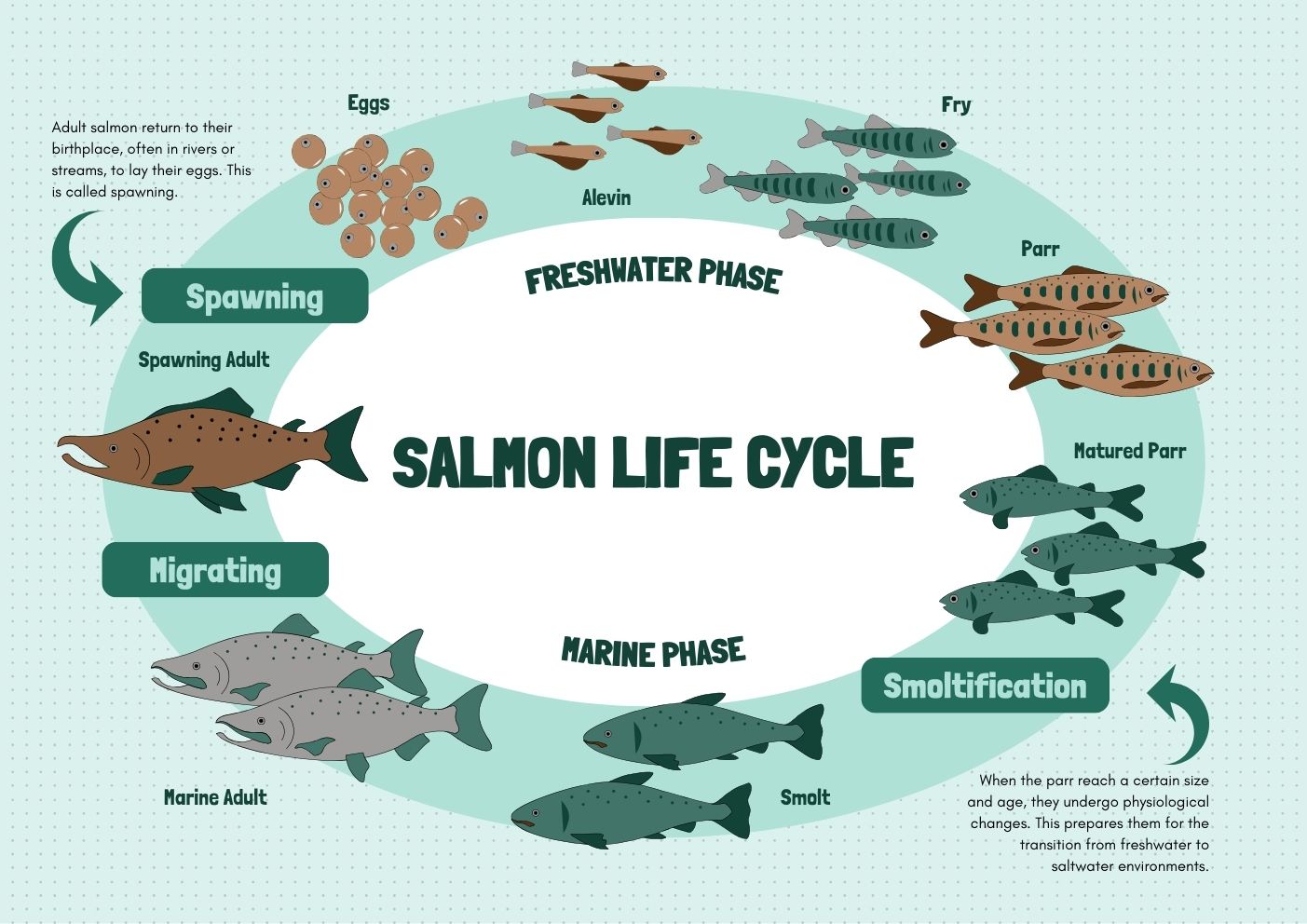
How fish behavior changes after spawning can be seen clearly in migratory fish. Species such as salmon may continue moving through rivers or return toward ocean environments after reproduction.

- ✦ Movement away from spawning sites
Fish often leave shallow breeding areas when spawning activity ends.
- ✦ Search for comfort zones
Fish choose areas with suitable oxygen, temperature, shelter, and food.
Freshwater and saltwater differences
Freshwater fish often move toward deeper lakes, rivers, or vegetation after spawning. Marine fish may move toward reefs, offshore areas, or feeding grounds.
- ✦ Habitat selection
Fish select environments that support recovery and survival.
How spawning affects fish aggression and social behavior
Before and during spawning, many fish show strong territorial behavior. They may chase rivals, protect nests, or compete for mates.
After spawning, these behaviors often decrease. Fish usually become less defensive and spend more time feeding or resting.

- ✦ Lower territorial activity
Fish stop spending as much energy protecting breeding areas.
- ✦ Return to normal groups
Some species reunite with schools after spawning.
How fish behavior changes after spawning in different species
Different fish species recover in different ways after spawning. Some species quickly return to feeding, while others experience a longer recovery period.
Understanding species differences is important because there is no single pattern that explains all post-spawning fish behavior.
- ✦ Salmon
Many salmon continue migration after spawning, especially during their final life stage.
- ✦ Bass and sunfish
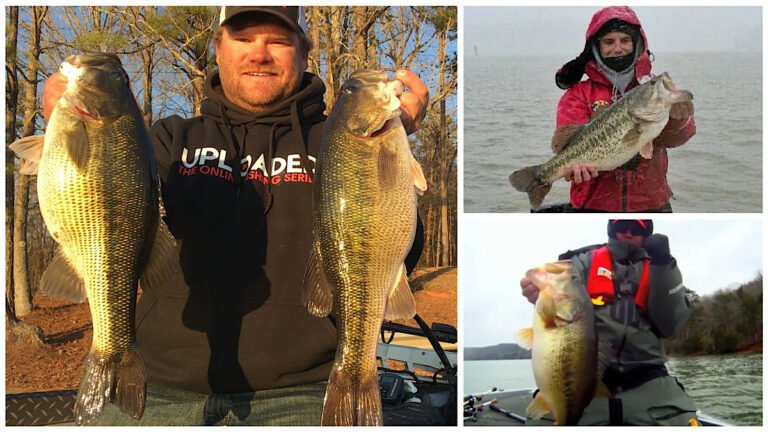
These freshwater fish often move to deeper areas and increase feeding after protecting nests.
How anglers can recognize post-spawn fish behavior
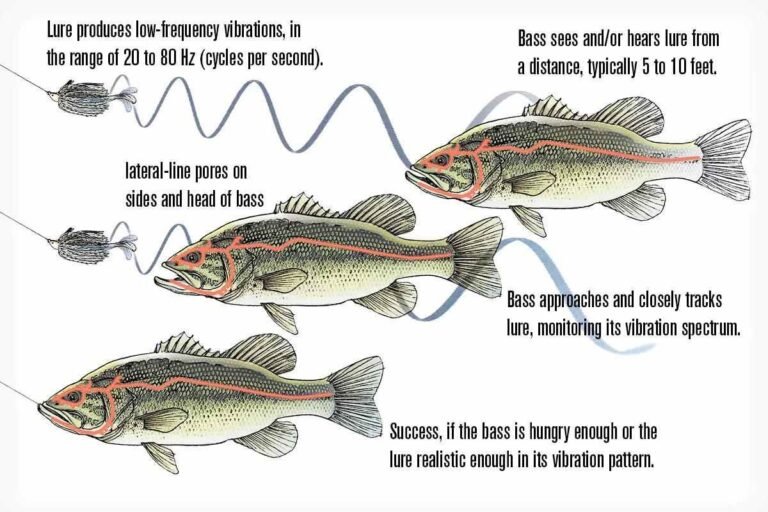
For anglers in the United States, knowing how fish behavior changes after spawning can improve fishing strategies. Post-spawn fish often hold near food sources instead of breeding areas.
Successful anglers watch water temperature, seasonal timing, fish depth, and available food when searching for recovering fish.

- ✦ Look near feeding zones
Fish often gather near areas where they can find easy meals.
- ✦ Adjust techniques
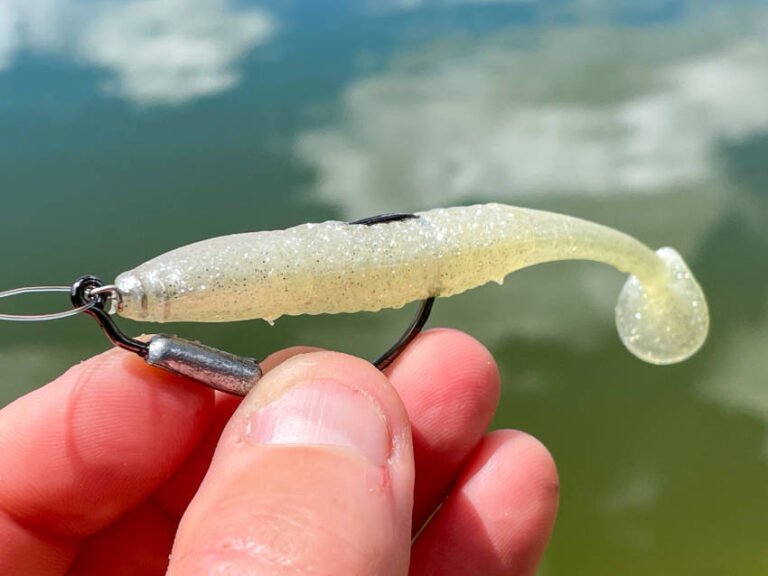
Slower presentations may work when fish are tired after spawning.
Frequently Asked Questions about how fish behavior changes after spawning

fishingscouty
Contributor