Yes, side imaging works for ice fishing when you use the right mount, transducer, and interpretation.
I have spent years testing sonar on lakes in winter and summer. I will show how can you use side imaging for ice fishing, when it helps most, and how to set it up safely and legally. You will get clear steps, real-world tips, and mistakes to avoid so you can try side imaging through the ice with confidence.

How side imaging works and why it matters
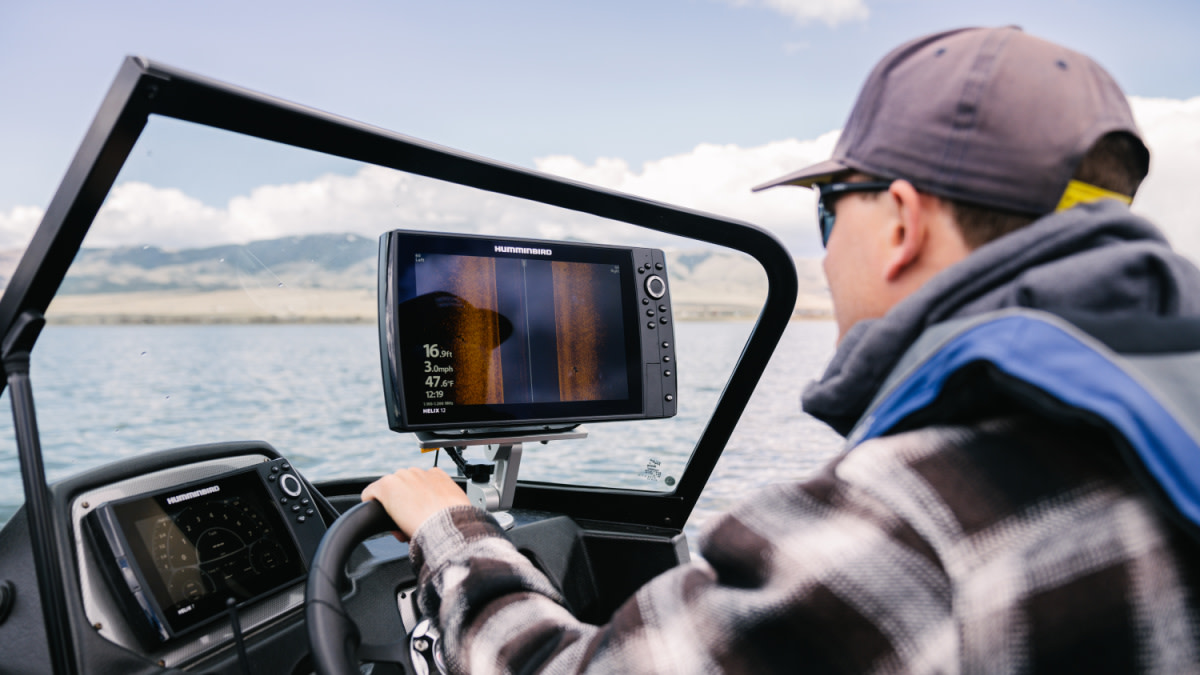
Side imaging sends fan-shaped sonar beams to each side of the boat. It creates a photo-like view of structure and fish along the bottom. Most systems are designed for open-water use. Still, the core tech is the same under ice. The transducer needs a clear line of sound through water to the bottom and back. When placed correctly, side imaging paints a wide view under the ice. This helps find schools, weed edges, and cover that 2D down imaging can miss.
Benefits of side imaging on ice:
- It scans wide areas fast, reducing time spent drilling holes.
- It shows structure shapes and objects lying on the bottom.
- It helps identify fish holding areas along edges and weedlines.
Key limits to keep in mind:
- Ice and snow can block or scatter signal if the transducer is not in water.
- Many side imaging transducers are larger and need special mounts for ice use.
- Close-range accuracy is reduced compared to down imaging.
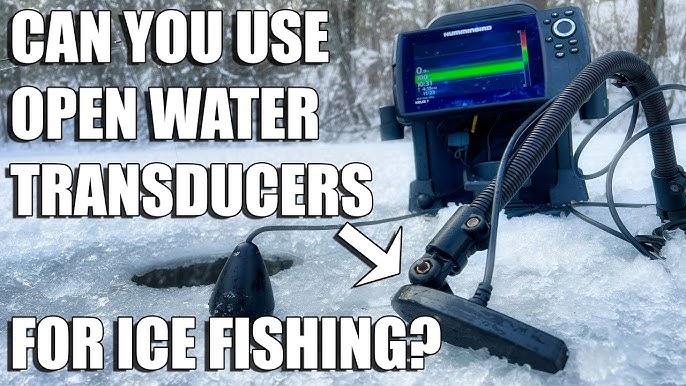
Can you use side imaging for ice fishing? Practical uses and scenarios
Yes, you can use side imaging for ice fishing in many situations. Here are common scenarios where it helps most:
- Searching flats and transitions for schools of fish.
- Finding sunken logs, rocks, and drop-offs from a safe distance.
- Scouting edges of vegetation and boulder fields to target specific spots.
Practical rules when asking can you use side imaging for ice fishing:
- Put the transducer in the water below the hole. Side imaging needs water contact.
- Keep the transducer centered in the hole and avoid contact with ice.
- Use slow, steady scanning passes to build a clear picture.
When not to rely on it:
- In very shallow water under slushy ice, side imaging can give noisy returns.
- When fish are directly under your hole, traditional down-sonar is more reliable.

Mounting, hardware, and safety for ice use
Mounting matters more on ice. Most boats use transom mounts, but ice anglers need different solutions. Here are solid options:
- Portable ice transducer mount that clamps to the hole edge and keeps the transducer stable.
- Pole or wand mount that lowers a small transducer into the water and holds it steady.
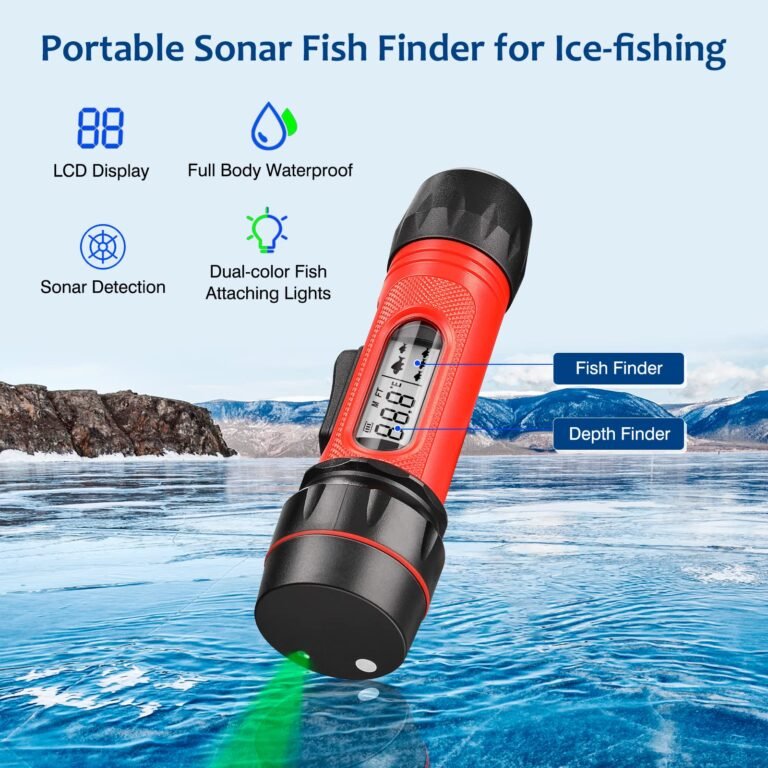
- Through-ice transducer puck designed for ice houses or permanent holes.
Mount tips:
- Use short cables and waterproof connections. Cold weakens cables.
- Secure the mount so wind or anglers cannot jostle it.
- Insulate cables and connectors to prevent freezing and damage.
Safety notes:
- Never stand on thin ice to set up gear.
- Drill a test hole to confirm depth before lowering larger transducers.
- Keep electronics dry and protected from temperature shock.
Sonar settings and interpretation for ice conditions
Settings make or break your results. Here are settings to try when you ask can you use side imaging for ice fishing:
- Reduce range to focus on the zone near your hole. Short ranges give clearer detail.
- Lower the sensitivity if the screen looks noisy from slush or bubbles.
- Use slower boat speed if on a sled; stable movement yields cleaner images.
How to read returns:
- Fish show as arches or small blips depending on range and tilt.
- Structure casts long, solid shadows on side images. Shadows tell depth and height.
- Thin weed mats look like textured bands; open flats look smooth.
People also ask
Will side imaging show fish under thick ice?
Side imaging will show fish in the water below thick ice if the transducer is in water and settings are right.
Do I need a special transducer for ice?
You do not always need a special model, but smaller, rugged transducers work best through a hole.
Can side imaging work from a portable sled?
Yes. A sled with a stable mount and steady pass gives good side imaging results.
Limitations and good alternatives
Side imaging is powerful but not perfect. Know the limits when considering can you use side imaging for ice fishing:
- It has blind zones directly beneath the transducer. Fish under the hole may be missed.
- Large side-imaging transducers are harder to keep centered in small holes.
- Cold can change signal behavior and battery life.
Alternatives and complements:
- Down imaging or CHIRP sonar for precise depth and fish directly below the hole.
- Flasher sonar for active jigging and quick detection of strike behavior.
- Spot mapping with GPS and open-water scouting before the ice forms to mark key structure.
Use side imaging and one of these tools together for the best results.
Personal experience: real tests, mistakes, and tips
I started using side imaging on ice after testing a portable mount on a lake with 18 inches of ice. I saw a willow stump on side imaging that I had missed with down sonar. I drilled a controlled set of holes and caught fish along that edge for three days. Lessons I learned:
- Use a small transducer to avoid having to widen holes. A snug hole keeps the unit centered.
- Insulate and protect connections. I lost a cable overnight to ice buildup before I started using heat tape.
- Mark spots with handheld GPS or a paper map. Side imaging shows wide swaths; mark the key targets.
Top tips from field work:
- Scan slowly. Quick passes blur the picture.
- Combine with a flasher when jigging. Side imaging finds the target; the flasher helps trigger strikes.
- Practice interpreting images before you depend on them. Spend a day learning returns in different waters.
Frequently Asked Questions of can you use side imaging for ice fishing
Can I use side imaging in shallow water through ice?
Yes. Side imaging can work in shallow water, but you may need to reduce range and sensitivity for better clarity.
Will ice block the sonar signal?
Ice does not block the signal if the transducer is in water. Signal loss happens if the transducer is out of the water or if slush blocks the hole.
What transducer is best for ice side imaging?
Smaller, rugged transducers or transducer pucks are best for ice. They are easier to mount and fit smaller holes.
How do I keep the transducer from freezing?
Use insulation, heat tape on cables, and keep connectors dry. Pull the unit into a warm shelter when not scanning.
Is side imaging worth it for casual ice anglers?
Yes, if you want fast scouting of structure and schools. For simple jigging over a known spot, a flasher may be enough.
Conclusion
Side imaging can be a valuable tool for ice fishing when you use the right mount, settings, and safety practices. It speeds up finding structure, reveals large search areas, and pairs well with down imaging or a flasher for jigging. Try a small transducer, practice interpretation in calm water, and protect your gear from cold. Take action: test a portable mount this winter, mark promising targets, and refine settings after a few sessions. Share your experiences or questions below and keep learning to improve every outing.