When people ask how do fish detect food underwater, the answer is more complex than simply seeing a meal and swimming toward it. Fish live in a world where light can fade, water can become cloudy, and food can hide behind plants, rocks, or sand.
Their survival depends on a powerful mix of senses. A bass in a U.S. lake, a salmon in a river, and a shark in the ocean may all find food in different ways. Each species has adapted its senses to match its environment and hunting style.
Studying how do fish detect food underwater also helps anglers, aquarium owners, and marine researchers understand fish behavior. These natural systems show how animals use information from their surroundings to make fast decisions.
Fish Use multiple Senses to Find Food Underwater
The key to understanding how do fish detect food underwater is knowing that fish rarely depend on only one sense. They combine several signals at once to identify possible meals and decide whether something is worth chasing.
A fish may first notice a vibration, then follow a scent trail, and finally use its eyes to confirm the target. This process happens quickly and helps fish survive in changing underwater conditions.
- ✦ Smell
Many fish have highly sensitive nostrils that detect tiny amounts of chemicals released by food, injured animals, or other fish.
- ✦ Vision
Fish use their eyes to locate moving prey, identify shapes, and judge distance when conditions allow enough light.
- ✦ Movement Detection
The lateral line system detects water movement and pressure changes created by nearby prey.
Why Fish Need More Than Eyes to Find Food
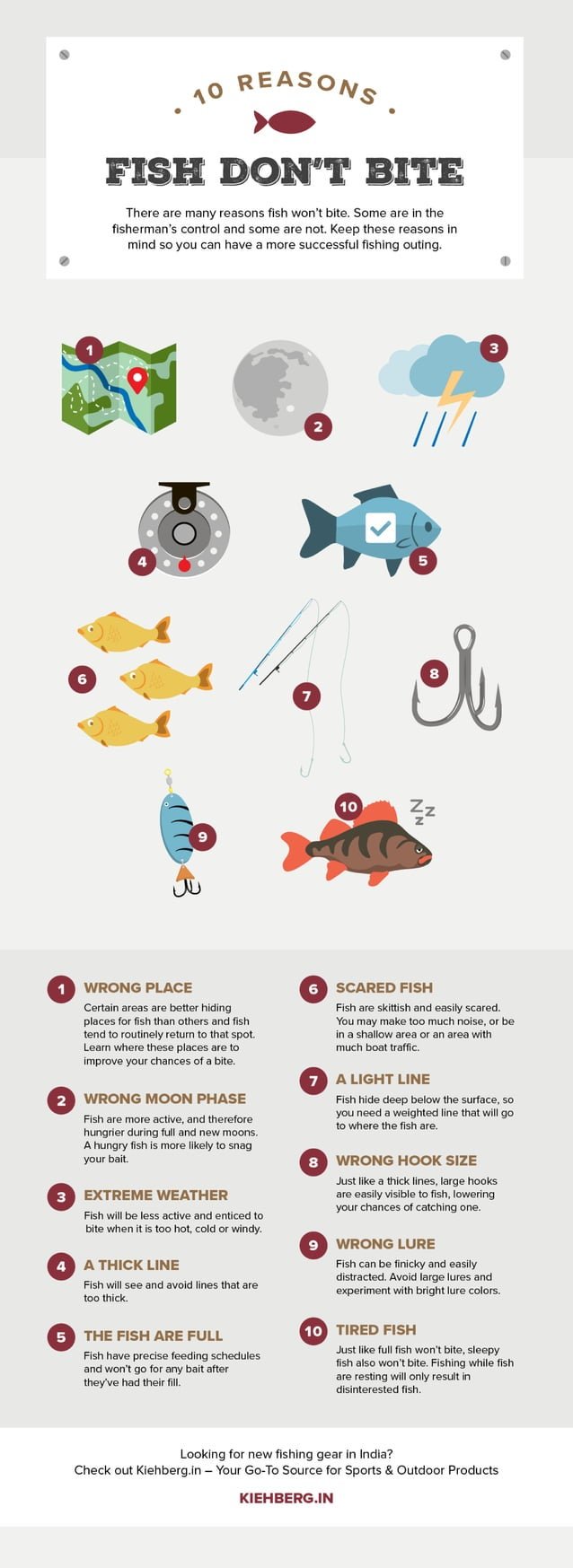
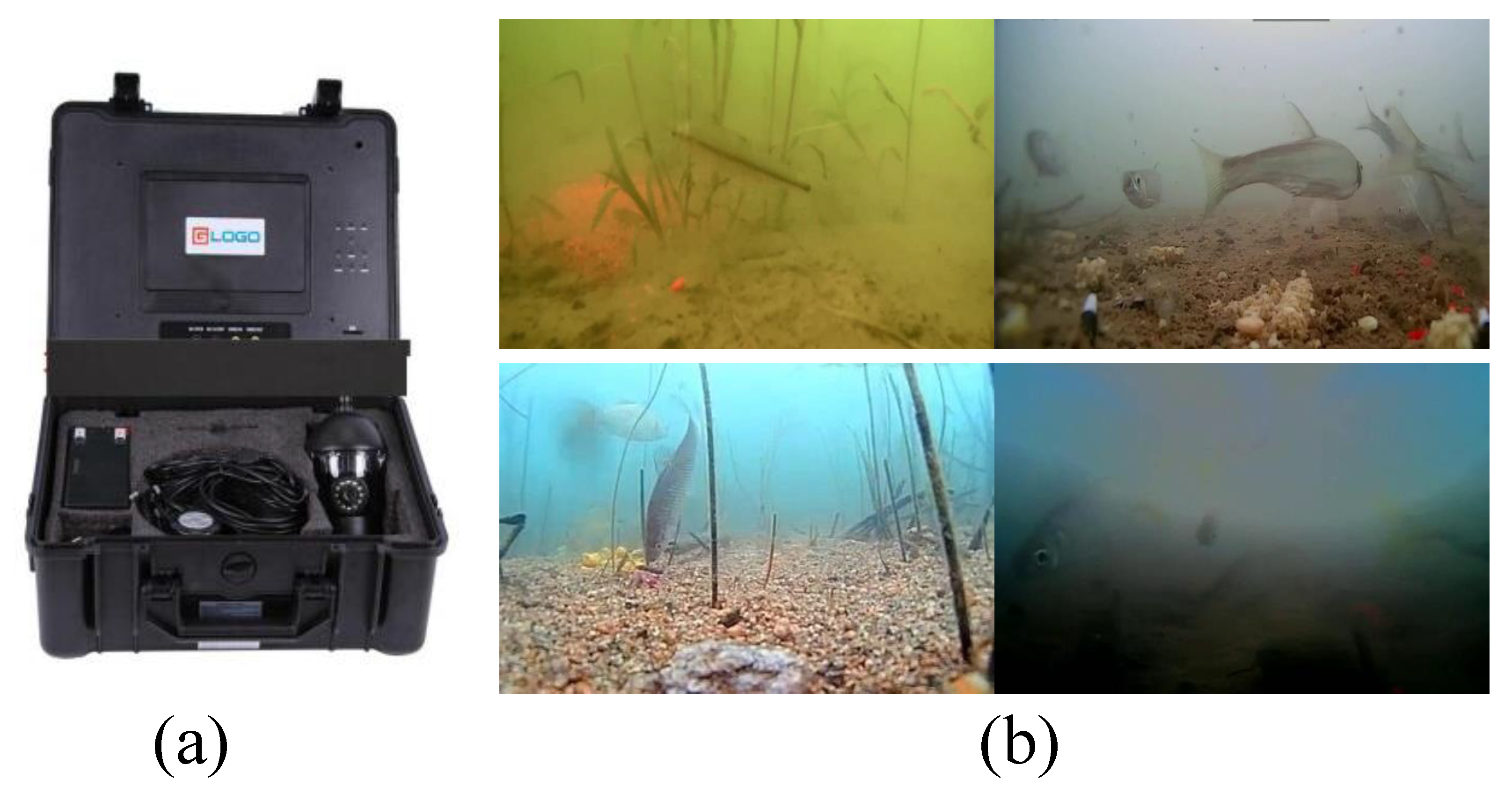
Underwater visibility can change because of depth, weather, sediment, and plant growth. A fish that only relied on vision would struggle in dark or muddy water.
Multiple senses give fish a backup system. If one sense becomes weak, another can help locate food nearby.
- ✦ Dark Water Advantage
Some fish rely more on smell and vibration detection when sunlight cannot reach their habitat.
How Fish Smell Food Through Chemical Signals
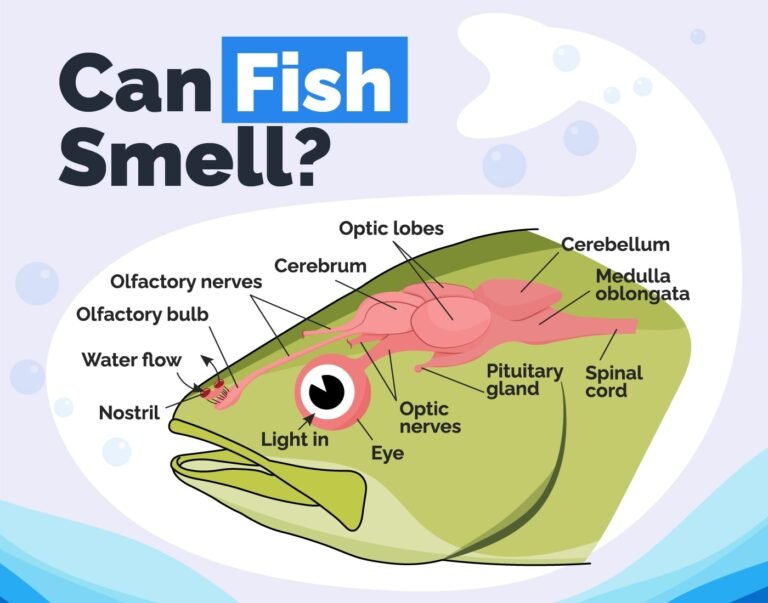
Smell is one of the most important answers to how do fish detect food underwater. Water carries chemical signals over long distances, allowing fish to find food that they cannot see.
Fish do not smell in the same way humans do. Instead of breathing through their nostrils, they move water through special openings called nares. These openings contain sensory cells that detect chemicals in the water.
- ✦ Scent Trails
Fish can follow chemical trails created by prey, plants, or other food sources moving through currents.
- ✦ Species Differences
Salmon, sharks, and eels are known for strong chemical detection abilities used during migration and hunting.
How Smell Helps Fish Find Hidden Food
A fish searching near a river bottom may not see a worm or insect, but it can detect chemical traces released into the water. This gives the fish clues about where food may be located.
This ability is especially useful at night or in areas with poor visibility.
- ✦ Chemical Information
Smell helps fish identify food sources without direct contact or clear sight.
How Fish Vision Helps Them Locate and Capture Prey
Vision plays a major role in how do fish detect food underwater, especially for predators that chase fast-moving prey. Many fish have specialized eyes that work well in their specific habitats.
Some fish see colors clearly in shallow water, while deep-sea species may have eyes adapted for very low light. Their vision helps them judge movement, size, and distance.

- ✦ Motion Detection
Moving objects often attract a fish’s attention because movement can signal living prey.
- ✦ Depth Adaptation
Fish living in deeper water often use special visual adaptations to detect limited available light.
Examples From Common Fish Species
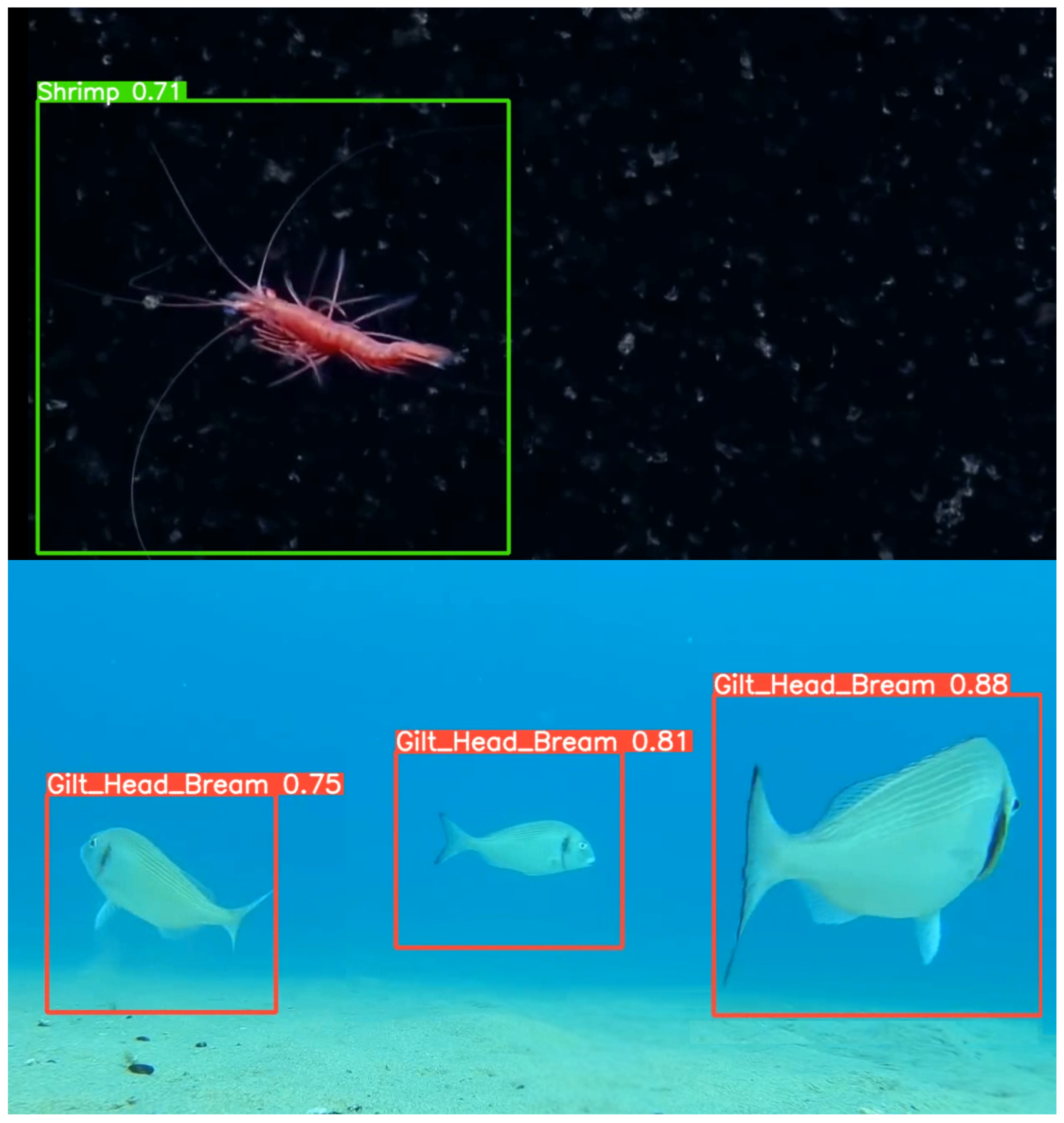
Bass often use sight to attack small fish and insects in clear lakes. Trout combine vision with smell and vibration sensing when hunting in rivers.
Predatory fish usually have forward-facing eyes or strong visual abilities that help them strike accurately.
- ✦ Freshwater Hunters
Many freshwater predators combine eyesight with other senses to find prey near vegetation and structures.
The Lateral Line System Lets Fish Feel Movement
One of the most fascinating parts of how do fish detect food underwater is the lateral line system. This sensory system runs along the sides of a fish’s body and detects changes in water pressure.
Tiny sensory organs called neuromasts help fish notice vibrations from swimming prey, nearby predators, or objects moving through the water.
- ✦ Water Pressure Detection
The lateral line senses waves and vibrations that fish cannot see.
- ✦ Close Range Hunting
Predators use this sense to locate prey hiding nearby, even in darkness.
Why Vibration Matters Underwater
Sound and movement travel differently underwater than they do in air. Fish can detect subtle disturbances that reveal the presence of food.
This ability allows many species to hunt successfully without relying on eyesight alone.
- ✦ Silent Detection
Fish can sense nearby movement even when prey is hidden from view.
How Taste Helps Fish Decide What to Eat
Taste is another important part of how do fish detect food underwater. Many fish have taste receptors not only in their mouths but also on their lips, skin, and sometimes whisker-like structures.
These receptors help fish test whether an object is edible before swallowing it. This protects them from wasting energy on unsuitable food.
- ✦ Food Identification
Taste receptors help fish recognize useful nutrients and avoid harmful items.
- ✦ Final Decision
Taste often confirms whether a fish should eat something after it has located the object.
The Role of Feeding Behavior
Different fish have different feeding habits. Some are hunters, some filter tiny organisms from water, and others search along the bottom for food.
Their senses work together based on the type of food they need to find.
- ✦ Feeding Style
A fish’s diet shapes which senses become most important during feeding.
How Environmental Conditions Change Food Detection
The answer to how do fish detect food underwater changes depending on the environment. Water temperature, light, current speed, and habitat type all affect which senses fish use most.
A fish hunting in a clear Florida spring may depend heavily on sight, while a fish in a muddy river may rely more on smell and vibration.
- ✦ Clear Water
Fish often use vision because they can see prey from farther away.
- ✦ Murky Water
Fish depend more on chemical signals and movement detection.
Seasonal Changes and Feeding
Seasonal changes can alter fish behavior. Temperature affects metabolism, and this changes how actively fish search for food.
Understanding these patterns helps researchers and anglers predict feeding activity.
- ✦ Temperature Effects
Warmer or colder water can influence how much energy fish spend finding food.