Knowing how to locate baitfish is one of the most useful skills an angler can develop. Whether you fish freshwater lakes, rivers, bays, or coastal waters in the United States, baitfish location often controls where predator fish spend their time.
Experienced anglers do not search randomly. They watch the water, study seasonal patterns, and use tools like sonar to find bait schools faster. In many fishing trips, finding the bait is the first step toward finding bass, trout, striped bass, redfish, or other predators.
Understand Why Baitfish Location Matters
Baitfish are the foundation of many aquatic food chains. Small fish such as shad, minnows, herring, and anchovies attract larger predators because they provide an easy meal.
When you understand how to locate baitfish, you stop searching only for predator fish and start following their food source. This approach saves time and helps you choose better fishing spots.
- ✦ Predator fish follow food
Game fish often stay close to bait schools because they can feed with less effort.
- ✦ Bait reveals active areas
Moving bait, jumping fish, and surface activity often show where underwater life is concentrated.
The connection between baitfish and game fish
Many predators do not choose random locations. They position near baitfish because these areas provide regular feeding chances.
A lake point, grass bed, dock, or current edge with bait activity can become a high-value fishing area.
Look for Visible Signs of Baitfish Activity
One of the simplest ways to learn how to locate baitfish is by observing the water. You do not always need expensive equipment. Your eyes can reveal important clues.
Baitfish often create small disturbances when they move together. Watch for ripples, flashes, birds diving, and fish breaking the surface.

- ✦ Surface splashes
Small fish jumping or creating quick movements can indicate a nearby bait school.
- ✦ Bird activity
Diving birds often point toward baitfish because they feed on fish pushed toward the surface.
- ✦ Water flashes
Sunlight reflecting from groups of small fish can reveal their location.
Read the water before casting
Many skilled anglers spend several minutes watching before making their first cast. This short pause can reveal feeding patterns and bait movement.
Calm observation often provides better information than random casting across empty water.
Use Fish Finders and Sonar Technology
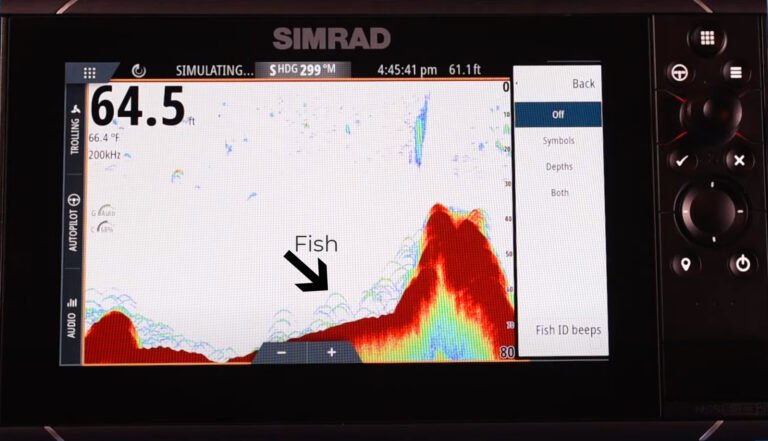
Modern electronics have changed how anglers locate baitfish. Fish finders can show bait schools below the surface where your eyes cannot reach.
When learning how to locate baitfish with sonar, focus on identifying groups of small marks instead of searching only for large fish shapes.

- ✦ Look for bait clouds
Large groups of baitfish often appear as dense clouds or clusters on sonar screens.
- ✦ Check different depths
Baitfish may move higher or deeper depending on temperature, light, and predator pressure.
Common sonar mistakes
New anglers often ignore small marks because they are searching for large fish. However, small marks can be the most valuable information because predators may be nearby.
Learning your electronics and comparing sonar images with real water conditions improves accuracy over time.
Find Baitfish Around Structure and Cover
Baitfish rarely stay in open water without protection. They often gather near places that provide food and shelter.
Structure is one of the most reliable clues when deciding how to locate baitfish in lakes, rivers, and coastal areas.

- ✦ Vegetation beds
Grass, weeds, and underwater plants provide hiding places and attract small organisms that baitfish eat.
- ✦ Docks and bridges
Man-made structures can provide shade, protection, and food sources.
- ✦ Rock piles and drop-offs
Changes in depth often attract both baitfish and predators.
Why structure attracts bait
Baitfish move toward areas where they can feed while staying protected. This makes structure a natural meeting point for many species.
Anglers who combine structure knowledge with seasonal patterns usually find bait faster.
Use Seasonal Patterns to Predict Baitfish Movement
Baitfish behavior changes throughout the year. Water temperature, spawning cycles, and food availability all influence where they gather.
Understanding seasonal movement makes how to locate baitfish much easier because you can predict likely areas before arriving.

- ✦ Spring movement
Baitfish often move into shallow areas where food is available and water temperatures increase.
- ✦ Summer patterns
Many baitfish move deeper during hot periods or gather near oxygen-rich water.
- ✦ Fall feeding
Cooling water can trigger baitfish movement and create strong feeding opportunities for predators.
Match local baitfish habits
Different regions have different baitfish species and patterns. A shad pattern in a southern reservoir may differ from a minnow pattern in a northern lake.
Local knowledge, fishing reports, and time on the water help you understand these differences.
Common Mistakes When Searching for Baitfish
Many anglers struggle because they search for fish instead of searching for conditions that attract fish. Baitfish location requires patience and a clear plan.
Avoiding common mistakes can make your fishing trips more productive.
- ✦ Ignoring small signs
Small ripples or tiny flashes may reveal a large bait school nearby.
- ✦ Fishing without a plan
Moving randomly wastes time compared with checking likely bait locations first.
- ✦ Not adjusting depth
Baitfish can change depth quickly based on weather and water conditions.
Improve your search process
Start with areas that have food, cover, and suitable water conditions. Then confirm bait presence with visual signs or electronics.
This simple method creates a repeatable system for finding baitfish in new waters.
Frequently Asked Questions about how to locate baitfish

fishingscouty
Contributor