Many anglers ask, how does chumming attract fish, because this technique can turn a quiet fishing spot into an active feeding area. Chumming works by placing small pieces of bait or natural food into the water. Fish detect the smell, taste, and movement of these particles and often swim toward the source.
From offshore tuna trips in the United States to coastal fishing for species like snapper, grouper, and striped bass, anglers use chum to guide fish toward their hooks. The key is not simply throwing food into the water. Good chumming creates a controlled feeding trail that matches how fish naturally search for meals.

How Does Chumming Attract Fish Through Scent and Feeding Signals?
To understand how does chumming attract fish, it helps to look at how fish find food. Most fish do not rely only on their eyes. They use their strong sense of smell and taste to detect tiny amounts of food chemicals in the water.
When chum enters the water, it releases oils, proteins, and natural odors. These signals spread with currents and create a scent path that fish can follow. The smell tells nearby fish that a possible meal is available.
- ✦ Scent detection
Fish sense dissolved chemicals from bait and food particles, helping them locate feeding areas from a distance.
- ✦ Food competition
Small food pieces can create excitement because fish often respond when they see other creatures feeding.
- ✦ Natural feeding behavior
Chumming copies natural events like injured baitfish releasing food scents after an attack.
Why Fish Follow a Chum Trail
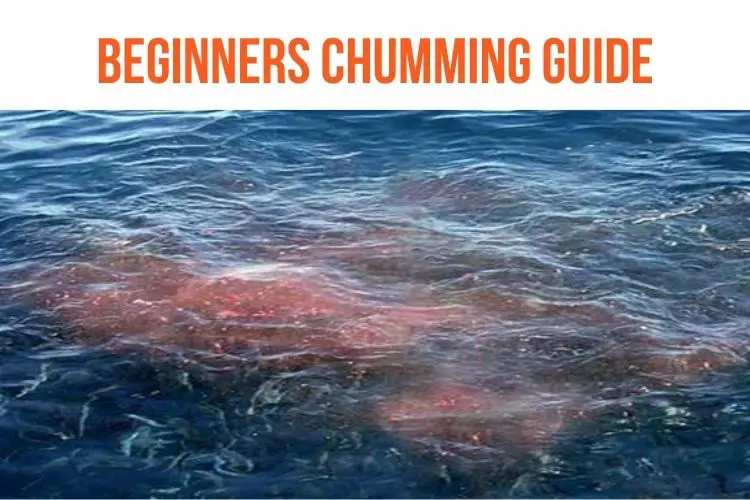
A chum trail works like an underwater road sign. As small particles drift away, fish can move upstream against the current and locate the source of food. This method is especially useful in saltwater fishing where currents carry scent over large areas.
- ✦ Current movement
Water currents spread chum scent and help fish track where the food is coming from.
The Science Behind Why Fish Respond to Chum
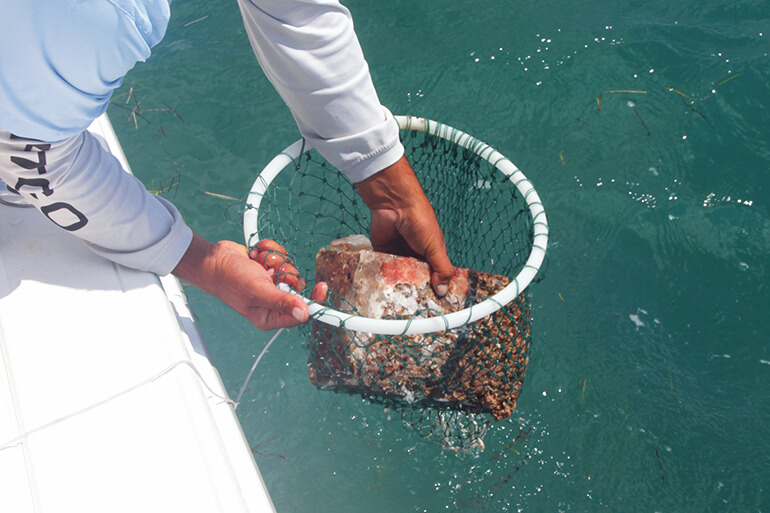
The answer to how does chumming attract fish involves several fish senses working together. A fish may first detect a chemical signal, then use sight and movement to confirm that food is nearby.
Different fish species react differently to chum. Predatory fish may arrive because small baitfish gather around chum, while bottom feeders may search directly for sinking pieces of food.
- ✦ Smell and taste
Fish have specialized sensory systems that help them detect food particles in the water.
- ✦ Sight response
Visible bait pieces and feeding fish can encourage more fish to enter the area.
- ✦ Sound and vibration
Splashing bait and feeding activity can create vibrations that attract curious fish.
How Chumming Creates a Feeding Frenzy
A feeding frenzy happens when fish become highly active around available food. Chumming can start this reaction by attracting smaller fish first, which may then attract larger predators looking for an easy meal.
- ✦ Baitfish attraction
Small fish gather around chum and can draw larger game fish into the area.
What Types of Chum Do Anglers Use to Attract Fish?
Understanding how does chumming attract fish also means knowing what materials work best. Anglers choose chum based on the target species, fishing location, and water conditions.
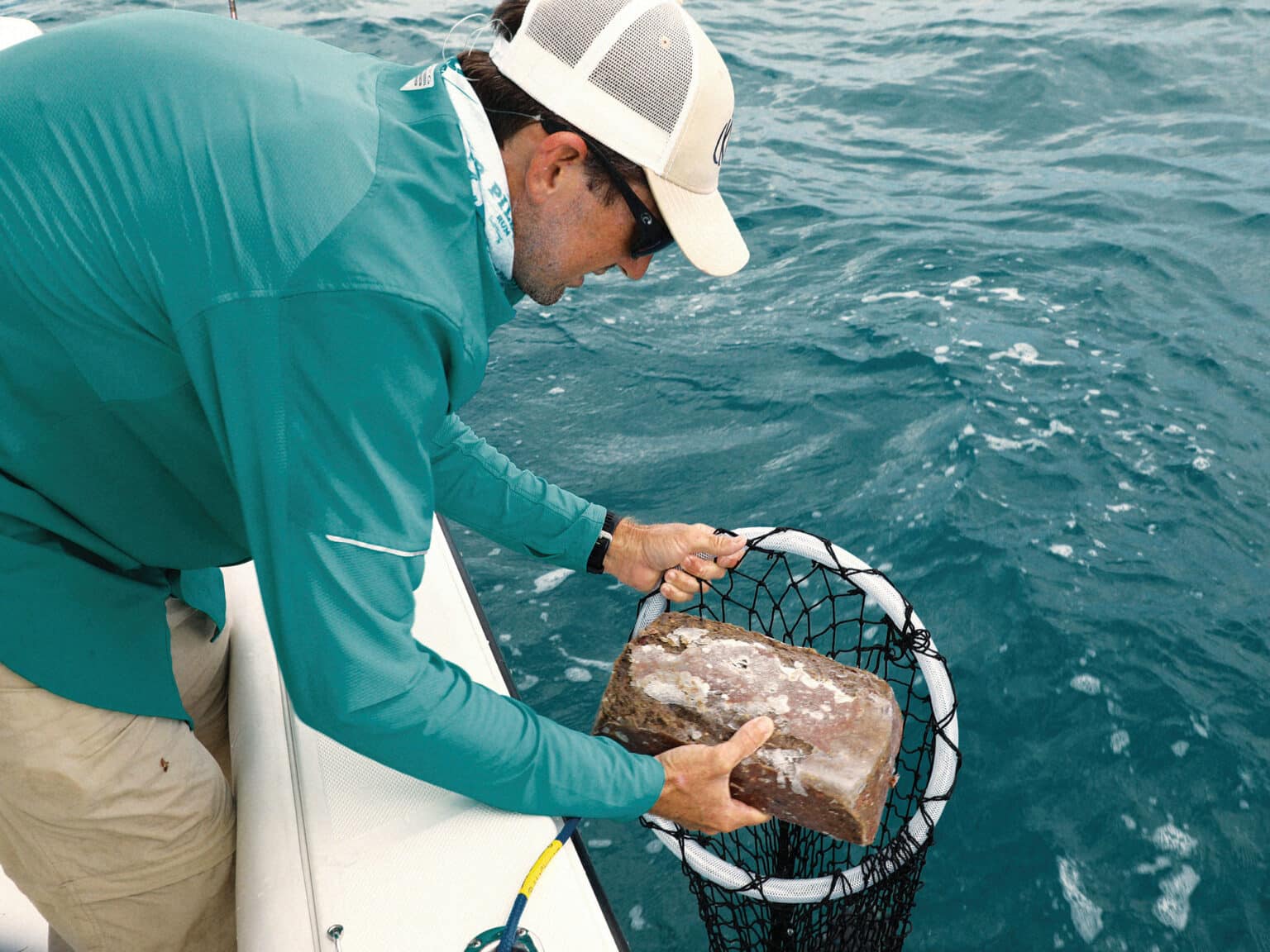
Common chum options include chopped baitfish, ground seafood, fish oils, pellets, and commercial chum blocks. Each type releases different scents and attracts different fish.
- ✦ Fresh bait chum
Fresh pieces of fish or seafood release strong natural oils and scents that attract many saltwater species.
- ✦ Frozen chum blocks
Frozen blocks melt slowly and provide a steady scent stream for longer fishing sessions.
- ✦ Artificial chum products
Commercial options are designed to release specific scents and are easy to carry.
Choosing Chum Based on Target Fish
Anglers should match chum to the fish they want to catch. For example, oily baitfish may attract tuna and other predators, while ground shellfish can work well for certain bottom species.
- ✦ Match local food sources
The best chum often resembles what fish already eat in that area.
How to Use Chumming Techniques Effectively
Knowing how does chumming attract fish is only the first step. Proper technique determines whether chum brings fish close enough to catch or simply gives them a free meal.
Experienced anglers release small amounts of chum over time instead of dumping everything at once. This keeps fish interested and creates a consistent feeding zone.
- ✦ Use small amounts
A steady supply keeps fish searching without allowing them to become full.
- ✦ Watch water movement
Place chum where currents can carry the scent toward likely fish locations.
- ✦ Combine chum with matching bait
Your hook bait should look and smell similar to the chum being released.
Common Chumming Mistakes to Avoid
Many beginners add too much chum too quickly. This can attract fish but may reduce bites because fish eat freely without needing to find your hook.
- ✦ Too much food
Large amounts of chum can satisfy fish before they reach your bait.
When and Where Chumming Works Best
The location and timing of chumming have a major effect on results. Even the best chum will not work well if fish are not present or conditions are poor.
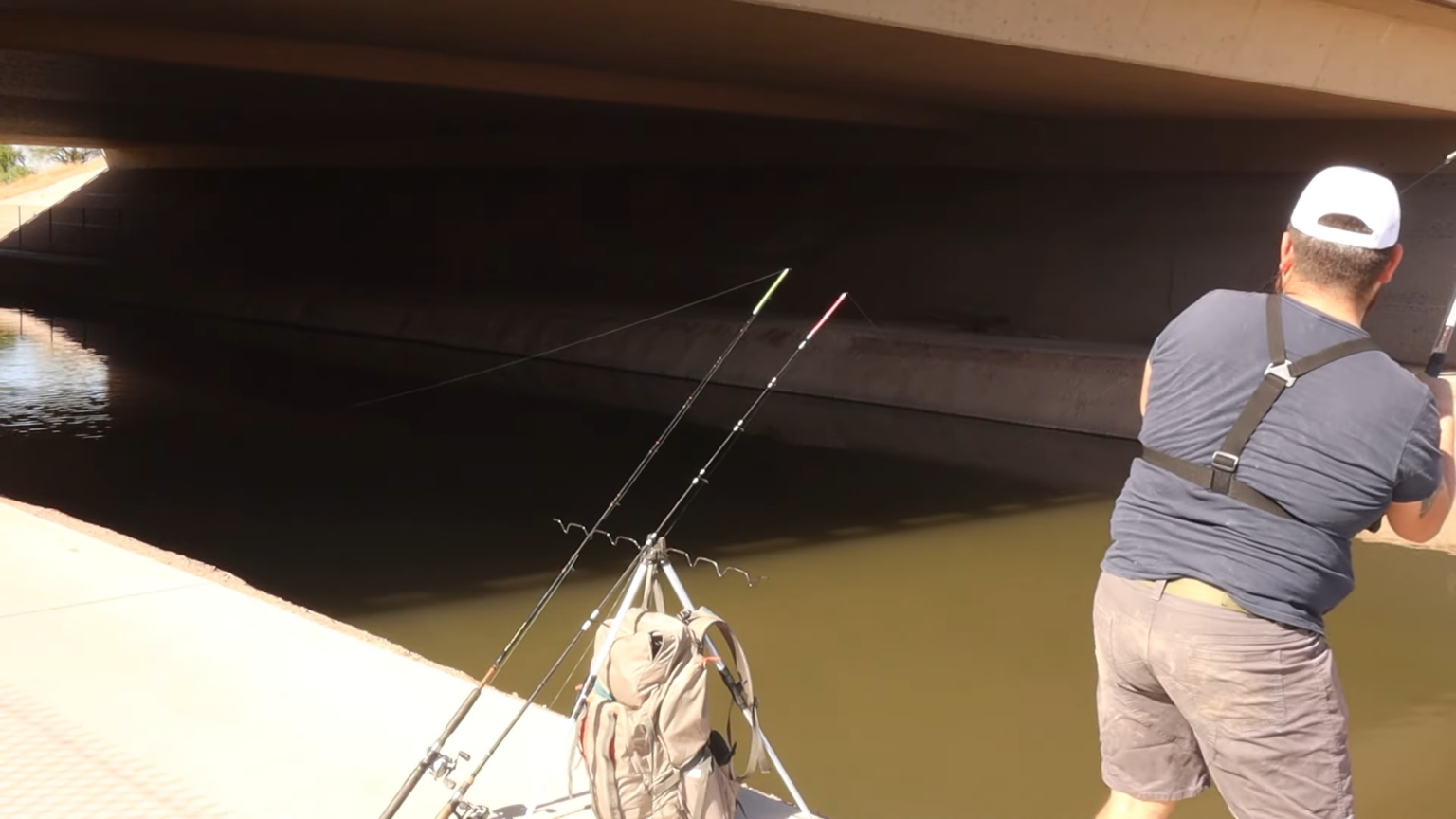
Many U.S. anglers use chumming in bays, offshore waters, piers, and reefs where currents can carry scent and fish naturally gather.
- ✦ Use active fishing areas
Chumming works best where fish already travel, feed, or hold.
- ✦ Consider water temperature
Fish activity changes with temperature, which affects feeding behavior.
- ✦ Check local rules
Some areas have restrictions on chumming, so anglers should check regulations before use.
Saltwater vs Freshwater Chumming
Saltwater anglers often use chum because currents spread scent over large areas. Freshwater anglers may also use similar methods, but regulations and effective materials vary by state and species.
- ✦ Different environments
Water movement and fish behavior change how chum spreads and works.
Frequently Asked Questions about how does chumming attract fish

fishingscouty
Contributor