Learning how to fish a swimbait starts with understanding what the lure is designed to do. A swimbait copies the look and movement of a real fish, which makes it one of the most natural bass lures available. Anglers across the United States use swimbaits in lakes, rivers, and reservoirs because they can attract both active and pressured fish.
After years of testing different lure styles, many experienced anglers find that patience is the biggest factor with swimbaits. The goal is not to move the bait as fast as possible. The goal is to make it look like an easy meal that a bass wants to chase.

What Is the Best Way to Fish a Swimbait?
The best way to fish a swimbait is to make it look like a real baitfish moving through the water. Most anglers use a steady retrieve because it creates a natural swimming action. Small changes in speed can make the lure appear injured or fleeing.
When learning how to fish a swimbait, focus on water depth, cover, and fish behavior. Bass often follow a swimbait before striking, so avoid rushing the retrieve when you see fish nearby.
- ✦ Slow Retrieve
A slow retrieve keeps the swimbait in the strike zone longer and works well for inactive bass.
- ✦ Steady Movement
A smooth pace helps the lure create a natural tail kick that attracts fish.
- ✦ Pause and Twitch
Short pauses can trigger reaction bites when bass follow without attacking.
Why Swimbaits Are Effective
Swimbaits succeed because they imitate one of the main food sources for bass: baitfish. Their realistic shape and movement can fool fish that ignore faster or louder lures.
- ✦ Natural Profile
A realistic fish shape helps the lure blend into normal feeding situations.
Choose the Right Swimbait Type
Before learning how to fish a swimbait, choose a style that fits your fishing situation. Soft swimbaits, hard body swimbaits, and paddle tail designs each have different actions.
Soft swimbaits are popular because they are flexible and easy to rig. Hard swimbaits often create a wider swimming action and can attract larger bass in clear water.

- ✦ Soft Swimbaits
These are versatile options for beginners and work well with weighted hooks, jig heads, and weedless rigs.
- ✦ Hard Swimbaits
These lures provide strong movement and are often used when targeting trophy bass.
Match the Hatch
Choose colors and sizes that match local baitfish. A small shad pattern may work better in one lake, while a larger bluegill style may perform better somewhere else.
- ✦ Natural Colors
Use realistic colors in clear water and brighter options in stained water.
How to Rig a Swimbait Correctly
Proper rigging changes how a swimbait moves and how many fish you catch. A poorly rigged bait may spin, roll, or look unnatural.
When learning how to fish a swimbait, take time to align the hook perfectly through the center of the bait. Balance creates better action and more reliable hooksets.

- ✦ Weighted Hook Rig
A weighted hook adds casting distance and helps control depth.
- ✦ Jig Head Rig
A jig head gives the lure a strong swimming action and works well around open water.
- ✦ Weedless Rig
A weedless setup allows fishing around grass, wood, and heavy cover.
Best Rod, Reel, and Line Setup for Swimbait Fishing
The right equipment makes swimbait fishing easier and more effective. Your setup should match the size of the lure and the fish you expect to catch.
A medium-heavy or heavy rod is common for many bass swimbaits because it provides enough power for casting and hooksets. A strong line also helps control larger fish near cover.

- ✦ Rod Choice
Use a rod with enough backbone to cast the lure and handle powerful bass.
- ✦ Line Choice
Fluorocarbon works well for clear water while braided line helps around heavy cover.
- ✦ Reel Speed
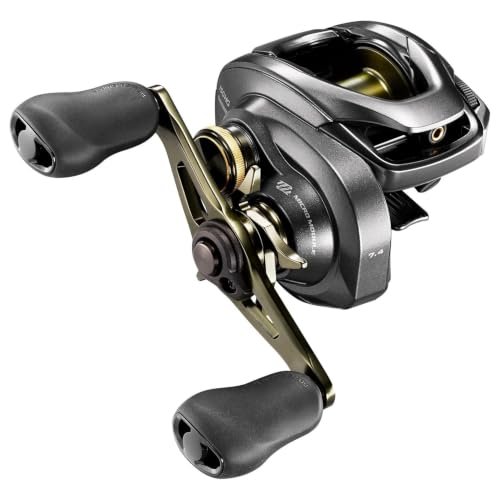
A moderate gear ratio reel gives better control over retrieve speed.
Where and When to Fish a Swimbait
Knowing where to throw a swimbait is just as important as knowing how to fish a swimbait. Look for areas where bass hunt baitfish, such as points, grass edges, docks, and drop-offs.
Swimbaits can work throughout the year. In spring, bass often respond well as baitfish become active. In summer and fall, swimbaits can imitate the larger forage bass chase.

- ✦ Points
Points create natural travel paths where bass often search for food.
- ✦ Grass Lines
Vegetation edges provide hiding spots for both baitfish and predators.
- ✦ Deep Water
Deep areas are useful when bass move away from shallow zones.
Common Swimbait Fishing Mistakes to Avoid
Many beginners struggle because they move the lure too quickly. Bass often need time to inspect a swimbait before striking.
Another common mistake is using the wrong size or color. Successful swimbait anglers adjust based on water clarity, season, and available forage.

- ✦ Retrieving Too Fast
Fast retrieves can remove the lure from the strike zone too quickly.
- ✦ Ignoring Depth
A swimbait at the wrong depth may never reach feeding fish.
- ✦ Poor Hook Placement
Incorrect rigging can reduce action and missed bites.
Frequently Asked Questions about how to fish a swimbait

fishingscouty
Contributor