Understanding how seasonal fish migration works starts with one simple idea: fish move because their needs change. A fish may leave deep winter water when spring arrives, travel toward feeding areas in summer, or return to spawning grounds when breeding time begins.
From my experience studying aquatic behavior and reviewing fish movement patterns, the most important lesson is that migration is not random. Fish respond to signals from their environment, including temperature, water flow, daylight, and chemical cues in the water.
What seasonal fish migration means
Seasonal fish migration is the regular movement of fish between different habitats during certain times of the year. These movements can happen in rivers, lakes, coastal waters, and open oceans.
When people ask how seasonal fish migration works, they often imagine long journeys like salmon traveling upstream. However, many migrations are shorter movements between feeding, resting, and breeding areas.

- ✦ Breeding movement
Many fish travel to specific spawning areas where eggs and young fish have better chances of survival.
- ✦ Feeding movement
Fish often follow food sources that change with seasons.
Why fish migrate during different seasons
The main reason fish migrate is survival. Seasons change water conditions, food availability, and reproduction opportunities.
How seasonal fish migration works depends on a combination of internal biological clocks and outside environmental signals.

- ✦ Water temperature changes
Many fish detect temperature shifts and move toward areas with better conditions.
- ✦ Food availability
Fish follow seasonal prey movements to maintain energy.
- ✦ Spawning needs
Adult fish travel to safe locations where their offspring can develop.
The role of temperature
Temperature affects fish metabolism, activity levels, and breeding behavior. Warmer spring water can trigger movement toward shallow areas, while colder months may push fish into deeper zones.
- ✦ Seasonal signals
Fish use temperature changes as one of several signals that migration time has arrived.
How fish know where to migrate
Fish use several navigation methods to complete seasonal journeys. Some species rely on smell, while others use currents, sunlight, magnetic fields, and memories of previous routes.
A famous example is salmon, which can return to their birth streams after years in the ocean. This ability shows how powerful natural navigation systems can be.

- ✦ Chemical signals
Fish can recognize unique water scents that guide them back to important habitats.
- ✦ Environmental memory
Some species remember migration paths learned early in life.
Examples of seasonal fish migration in the United States
The United States has many examples of seasonal fish migration. Salmon moving through Pacific rivers, striped bass traveling along the Atlantic coast, and freshwater species changing lake locations all show different migration styles.
Learning how seasonal fish migration works helps anglers understand why fish locations change throughout the year.

- ✦ Salmon migration
Salmon move between ocean feeding areas and freshwater spawning streams.
- ✦ Coastal fish movement
Many marine fish follow temperature zones and prey availability along U.S. coastlines.
How humans affect seasonal fish migration
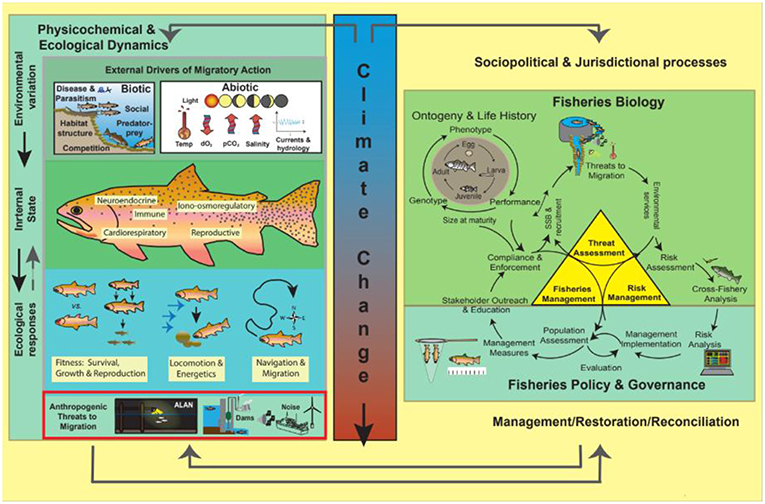
Human activity can change natural migration patterns. Dams, pollution, habitat loss, and climate changes can block routes or reduce safe breeding areas.
Conservation projects often focus on restoring fish passages and protecting important migration habitats.

- ✦ Blocked waterways
Structures like dams can prevent fish from reaching traditional spawning areas.
- ✦ Climate effects
Changing water temperatures can shift migration timing and routes.
Frequently Asked Questions about how seasonal fish migration works

fishingscouty
Contributor