Fishing lure getting tangled with fishing line how to prevent is a common question among anglers in the United States. From backyard ponds to coastal trips, tangled lines can waste time and ruin a good fishing day.
After years of testing different rigs, I have found that most lure tangles happen before the cast even starts. A few simple checks on your line, reel, and lure can prevent many frustrating problems.
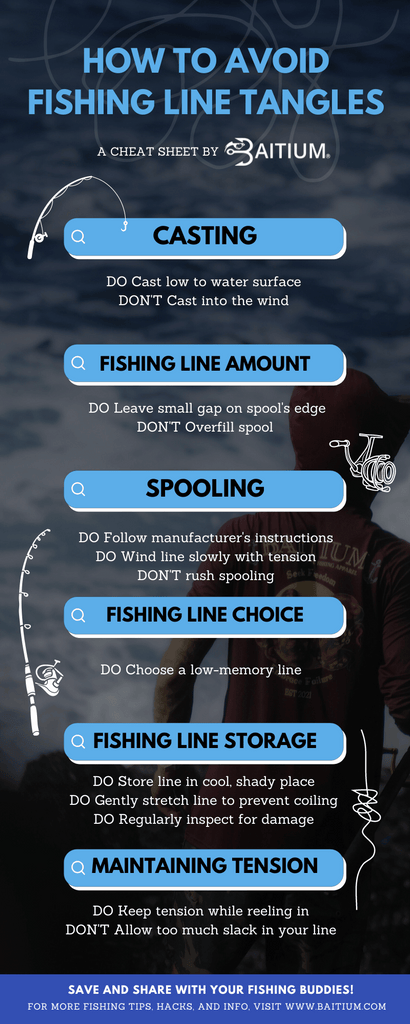
Why Fishing Lures Get Tangled With Fishing Line
Fishing lure getting tangled with fishing line how to prevent starts with understanding the cause. A lure can wrap around the main line when it spins, flips during a cast, or moves in an unbalanced way.
The most common causes include line twist, loose loops on the reel spool, damaged line, and poor lure attachment. Small mistakes can create large tangles after only a few casts.
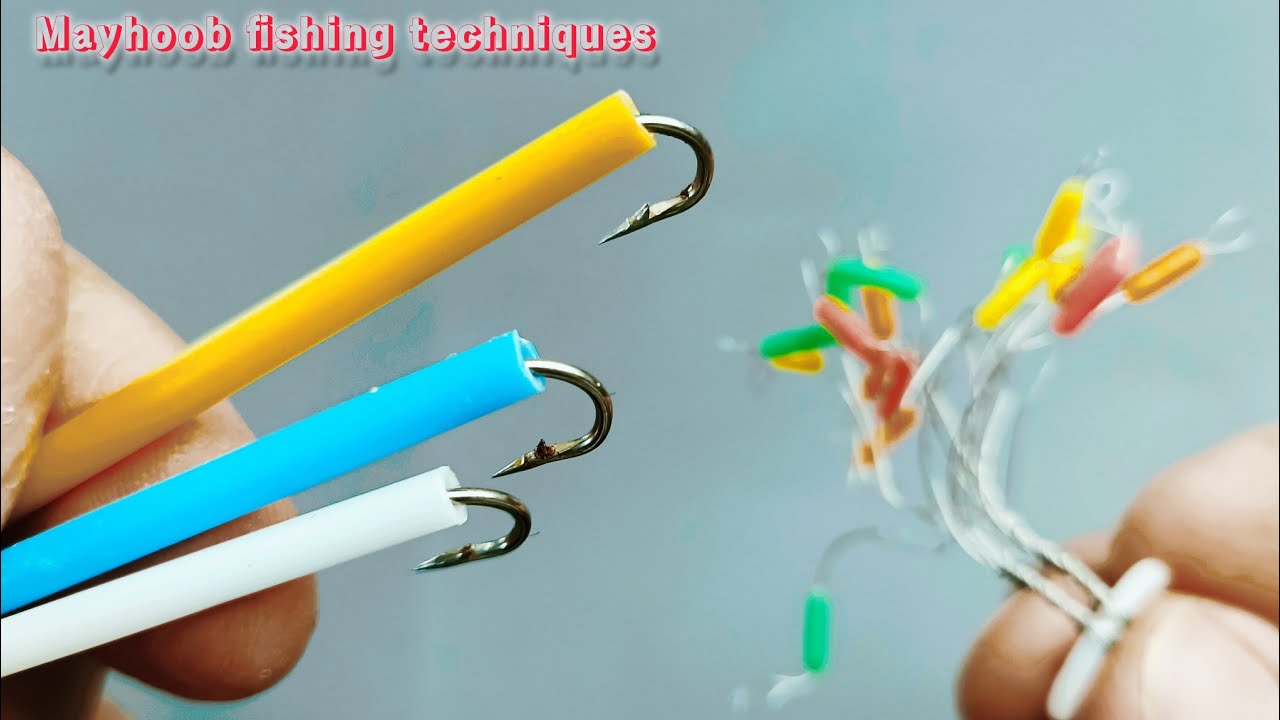
- ✦ Line twist
Spinning lures and some soft plastics can rotate and add twists that later become knots.
- ✦ Loose spool loops
Loose line stored on a reel can jump off the spool and wrap around the lure.
- ✦ Wrong lure match
A lure that is too light or poorly balanced may spin instead of swimming correctly.
How Lure Movement Creates Tangles
A lure should move in a natural way through the water. When it rolls, spins, or turns too much, it can twist the fishing line and create problems.
Choose the Right Line and Lure Setup
Fishing lure getting tangled with fishing line how to prevent often depends on using balanced gear. The fishing line, reel, and lure should work together.
Light spinning tackle works well for many situations, but an oversized lure on thin line can create extra movement and more twists.

- ✦ Match line strength
Choose line strength that fits the lure weight and fishing conditions.
- ✦ Use quality swivels when needed
A swivel can reduce twist from spoons, spinners, and other rotating lures.
- ✦ Check lure hardware
Bent snaps, damaged split rings, or rusty parts can change lure action.
The Role of Leaders and Swivels
A small swivel or leader can help control line rotation. It is especially useful when fishing with lures that naturally spin.
Casting Techniques That Prevent Fishing Lure Tangles
Many anglers focus only on equipment, but casting style also matters. Fishing lure getting tangled with fishing line how to prevent becomes easier when each cast is controlled.
Avoid snapping the rod too hard at the start of a cast. Smooth acceleration helps the lure travel straight and keeps the line organized.
- ✦ Stop the line before splashdown
Use your finger or reel control to slow the line before the lure hits the water.
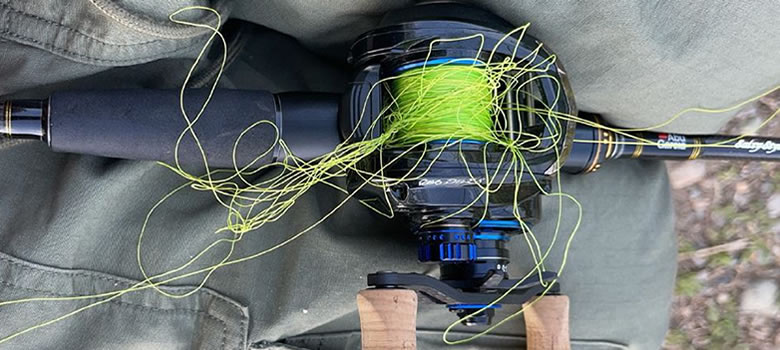
- ✦ Avoid overfilled reels
Too much line on the spool increases loops and tangles.
A Simple Pre-Cast Check
Before every cast, check for loose loops near the reel, damaged line sections, and knots near the lure.
How to Stop Line Twist Before It Becomes a Tangle
Line twist is one of the biggest reasons behind fishing lure getting tangled with fishing line how to prevent searches. Removing twist early saves time and protects your equipment.
You can reduce twist by checking your lure action, replacing worn line, and letting twisted line unwind behind a moving boat or in open water.
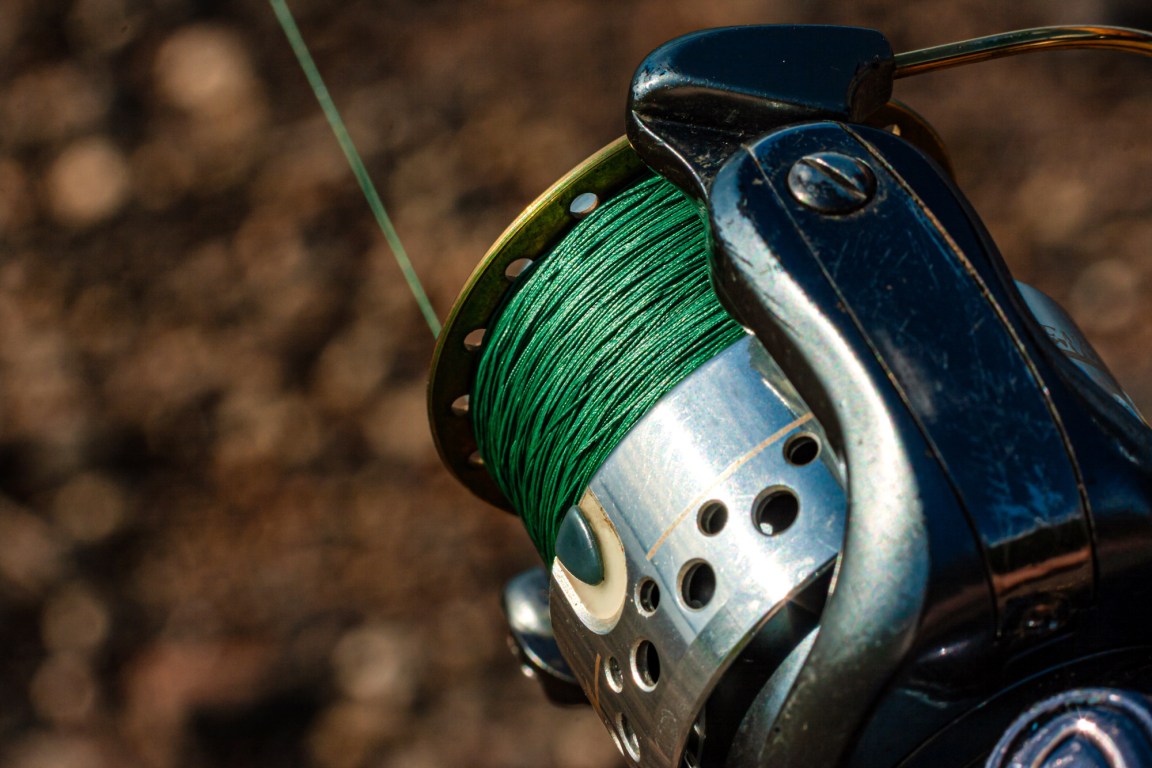
- ✦ Replace old fishing line
Old line becomes rough and more likely to form loops.
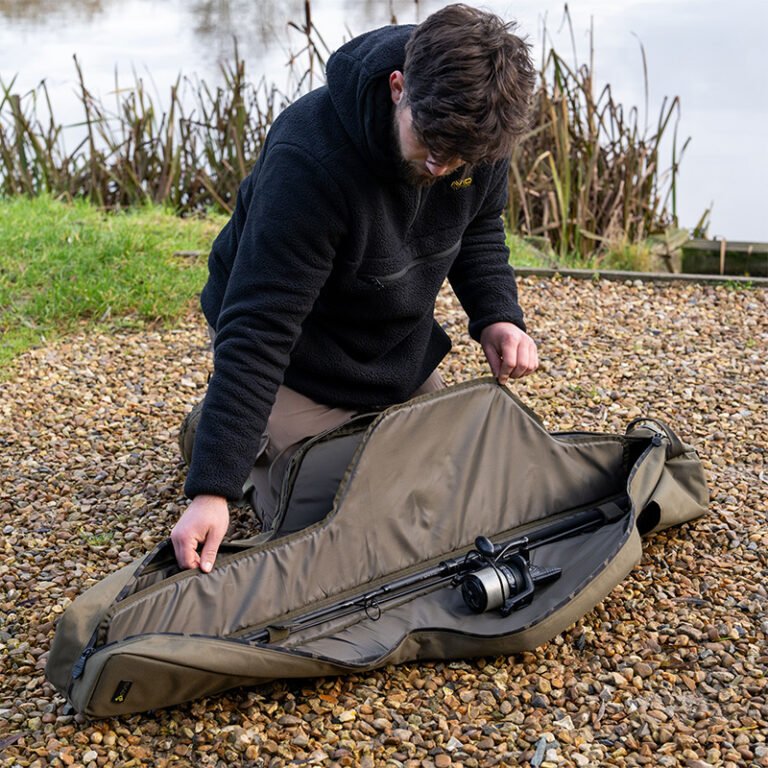
- ✦ Store tackle correctly
Keep lures separated so hooks and lines do not mix during transport.
Signs Your Line Has Too Much Twist
Common signs include curly line, spinning lures, and repeated knots after normal casts.
Maintenance Tips for Tangle-Free Fishing
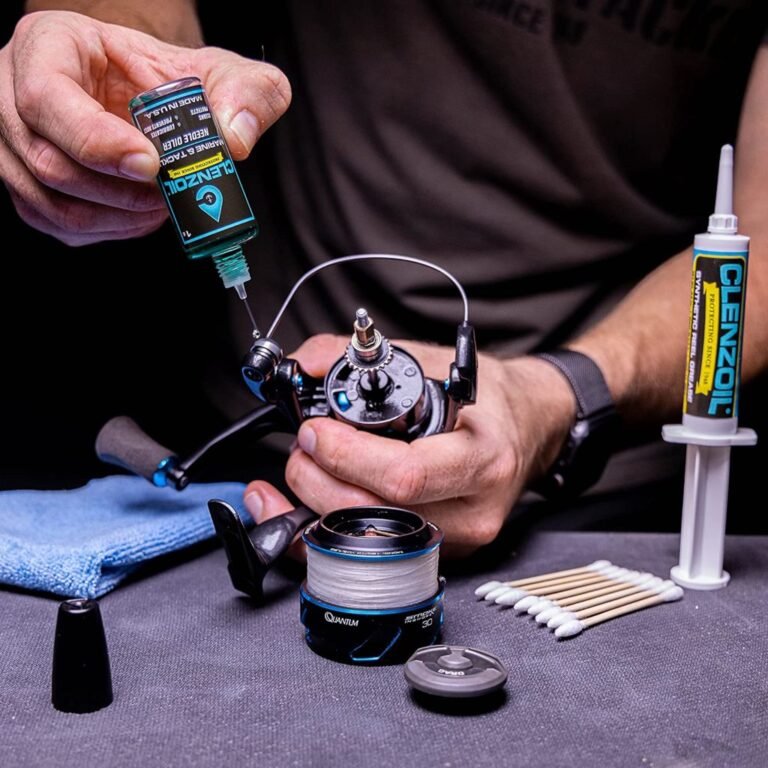
Fishing lure getting tangled with fishing line how to prevent also requires regular gear care. Clean and inspect your equipment before problems appear.
A few minutes of maintenance after each trip can improve casting performance and extend the life of your fishing gear.
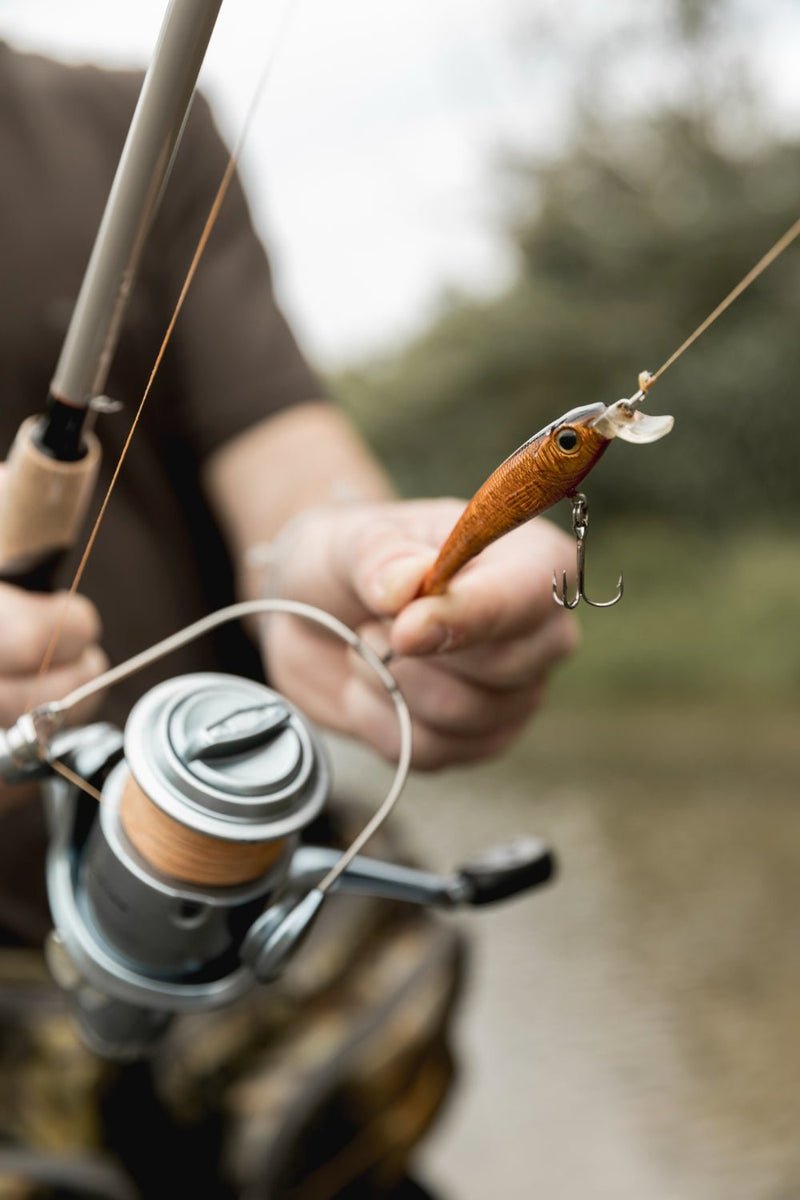
- ✦ Clean your reel
Remove dirt and salt buildup that can affect line control.
- ✦ Inspect knots
Retie weak or damaged knots before fishing.
- ✦ Organize tackle
Store lures properly to avoid hook and line tangles.
A Practical Routine Before Each Trip
Experienced anglers often check knots, line condition, and lure connections before leaving home. This small habit prevents many issues on the water.