If you have searched for what is chum in fishing, you are learning about one of the oldest fish-attracting methods used by anglers. Chum creates a scent trail and food signal that can bring fish closer to your boat, dock, or shoreline.
Experienced anglers know that chumming is not just throwing food into the water. It requires timing, the right ingredients, and an understanding of how fish use smell and movement to find food. In U.S. waters, anglers commonly use chum when targeting species like tuna, snapper, shark, and many coastal fish.

What Is Chum in Fishing and How Does It Work?
What is chum in fishing? Chum is a collection of natural bait materials placed into the water to attract fish. It can include chopped fish, shrimp pieces, bait scraps, fish oil, ground bait, or commercial chum products.
The main goal of chum is to create a feeding zone. Small particles spread through the water, and fish follow the scent trail until they reach the area where anglers are waiting.

- ✦ Scent attraction
Chum releases oils and smells that fish can detect from a distance.
- ✦ Feeding response
Small food particles encourage fish to search and gather near the fishing area.
Why Fish Respond to Chum
Many fish depend on smell to locate food. A strong scent trail can guide fish toward an area where they believe prey is available.
- ✦ Natural behavior
Chum copies the signals fish experience when injured prey releases food scents.
Different Types of Chum Used by Anglers
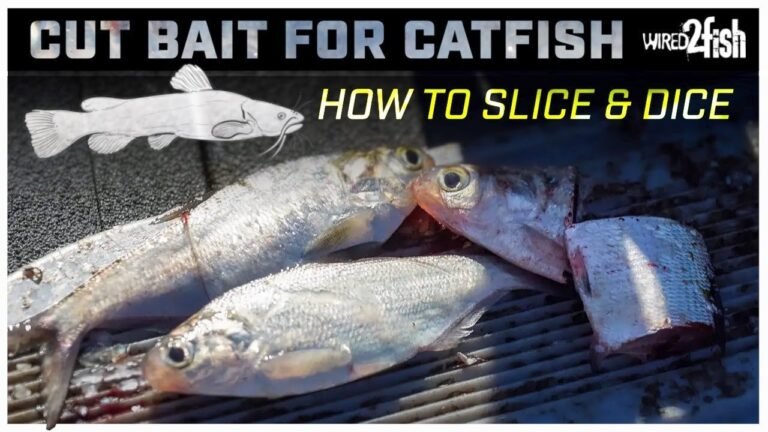
There are many types of chum used in fishing. The best option depends on the fish species and the environment. Saltwater anglers often use oily fish because scent travels well in ocean currents.
Freshwater anglers may use simpler mixtures made from grains, ground bait, or local food sources. Understanding what fish naturally eat helps create better chum choices.

- ✦ Fish-based chum
Made from chopped fish, fish scraps, or fish oils and commonly used in saltwater fishing.
- ✦ Commercial chum
Prepared products designed to create a consistent scent trail.
- ✦ Homemade chum
Custom mixtures made from available bait ingredients.
Saltwater Chum vs Freshwater Chum
Saltwater chum often focuses on strong oils and fish scents because currents can spread these signals over large areas. Freshwater chum usually uses smaller amounts because lakes and rivers have different feeding patterns.
- ✦ Saltwater example
Tuna and snapper anglers often use oily chum to create a long scent trail.
How to Use Chum When Fishing
Knowing what is chum in fishing is only the first step. Proper use matters because too much chum can feed fish without making them bite your hook.
A good chumming strategy uses small amounts at regular intervals. The goal is to attract fish and keep them interested while still encouraging them to take your bait.

- ✦ Start with small amounts
Release enough chum to create interest without giving fish a full meal.
- ✦ Match the bait
Use hook bait that looks and smells similar to the chum.
- ✦ Watch water movement
Place chum where currents can carry scent toward feeding areas.
Common Chumming Methods
Anglers use chum bags, floating blocks, buckets, and hand dispersal methods. Each method controls how quickly the scent spreads.
- ✦ Chum bags
Slowly release scent while staying in one location.
What Fish Can Be Caught Using Chum?
Chum can attract many predator and schooling fish. The effectiveness depends on location, season, water temperature, and available natural food.
When learning what is chum in fishing, anglers should focus on matching chum to the target species. A mixture that attracts one fish may not work for another.

- ✦ Tuna
Many tuna anglers use chum to create feeding activity near boats.
- ✦ Snapper
Chum can help bring snapper closer from deeper water.
- ✦ Sharks
Strong scents are often used when targeting sharks.
Benefits and Limitations of Chumming
Chumming can improve fishing success by helping anglers locate active fish. It is especially useful when fish are spread across large areas.
However, chumming is not a guarantee. Weather, water clarity, fishing pressure, and fish behavior all affect results.

- ✦ Benefit: attracts fish
Creates a scent path that can bring fish closer.
- ✦ Limitation: requires control
Too much chum may make fish less interested in your hook bait.
- ✦ Limitation: local rules
Some areas have restrictions on chumming, so anglers should check regulations.
Responsible Chumming Practices
Responsible anglers avoid overfeeding fish and avoid using materials that may harm the environment. Clean practices help protect waterways for future fishing trips.
- ✦ Follow regulations
Always check local fishing laws before using chum.
Frequently Asked Questions about what is chum in fishing

fishingscouty
Contributor