When anglers ask how do fish see fishing lures, they are often trying to solve a simple problem: why does one lure get bites while another does not? The answer starts with understanding that fish do not see the underwater world the same way humans see the world above water.
A bass in a clear lake, a trout in a mountain stream, and a redfish along the U.S. coast all use vision differently. Their eyes adapt to their environment, and their brains focus on signs of food, danger, and movement.
After years of studying fishing behavior, many experienced anglers learn that lure success is not only about color. A lure must create the right combination of visibility, action, and natural movement to convince a fish to strike.
How Fish Vision Works Underwater
To understand how do fish see fishing lures, it helps to understand how fish eyes work. Most fish have eyes designed for underwater vision, with special adaptations that help them detect movement and changes in light.
Fish use rods and cones inside their eyes. Rods help them see in low light, while cones help them detect colors. The balance between these cells depends on the species and the environment where the fish lives.

- ✦ Rods
Rods help fish see during dawn, dusk, cloudy days, and deep water conditions where light is limited.
- ✦ Cones
Cones allow fish to recognize colors and details when enough sunlight reaches the water.
- ✦ Wide Vision
Many fish have a wide field of view that helps them notice approaching prey and moving lures.
Why Fish Do Not See Lures Like Humans
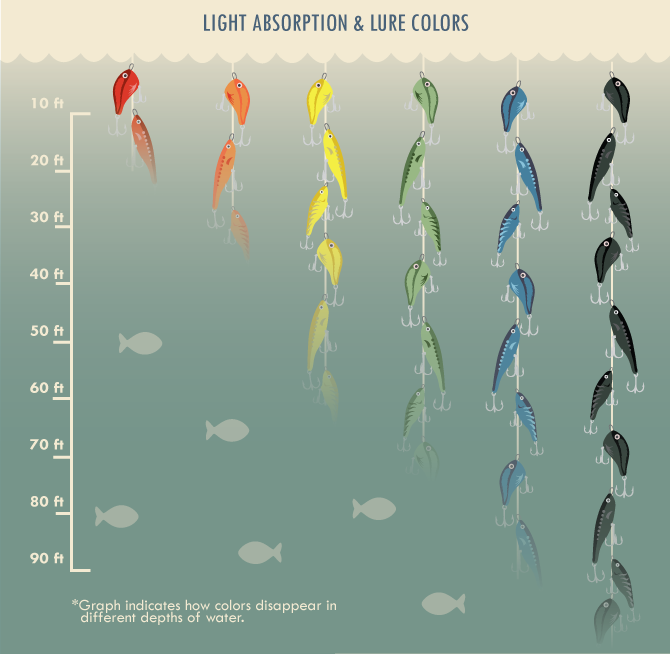
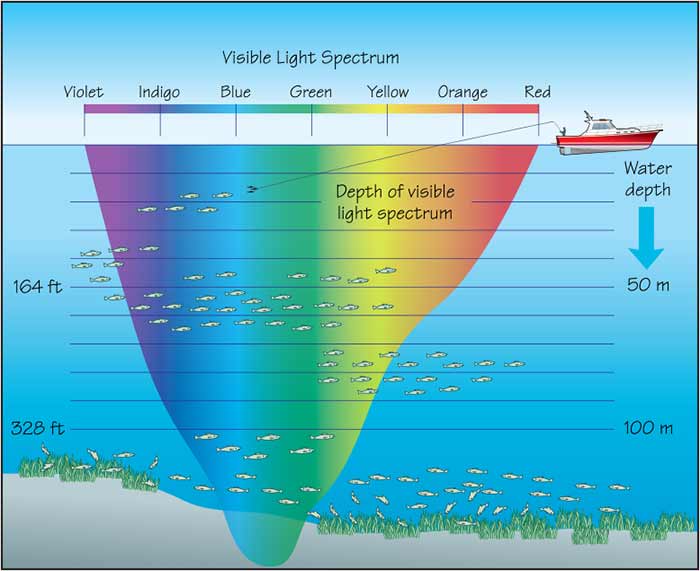
Humans view objects through air, but fish see through water that changes light and color. Water absorbs certain colors as depth increases, so a bright lure near the surface may look very different several feet below.
- ✦ Water Changes Light
Depth, particles, and sunlight can reduce color visibility and make some lures appear darker.
How Do Fish See Fishing Lures by Color?
Color is one of the biggest topics when discussing how do fish see fishing lures. Many anglers choose colors based on experience, but science shows that color visibility changes underwater.
In shallow, clear water, fish can often detect more colors. In deeper or murky water, contrast becomes more important because less light reaches the lure.
- ✦ Bright Colors
Colors like chartreuse and orange can stand out in certain conditions because they create strong contrast.
- ✦ Natural Colors
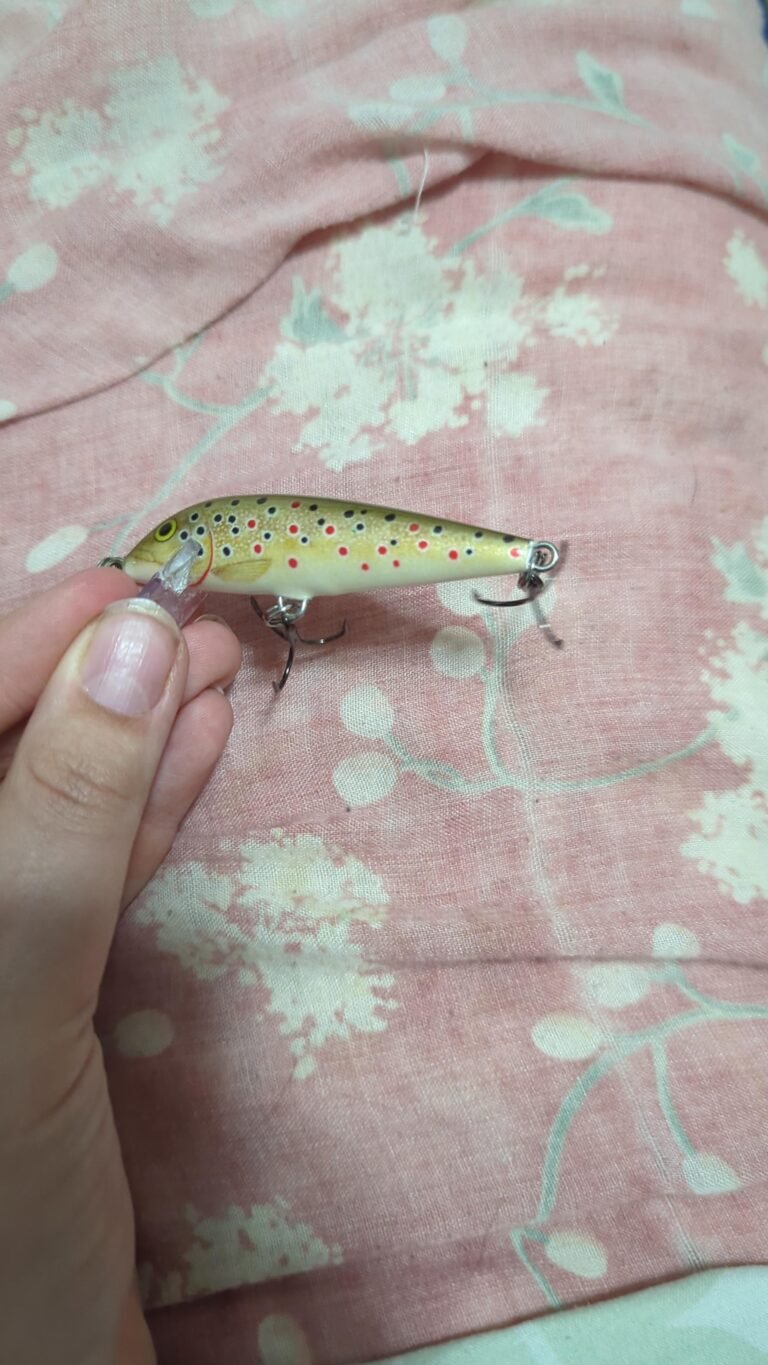
Brown, green, and silver patterns can imitate common prey in clear water.
- ✦ Dark Colors
Black and dark blue lures can create a strong silhouette against bright backgrounds.
Do Fish See Red Fishing Lures?
Red is interesting because it can appear bright near the surface but lose visibility as depth increases. A red lure may look darker underwater and may become less noticeable in deeper water.
- ✦ Depth Matters
The deeper the lure travels, the more water filters certain colors from the available light.
Why Movement Helps Fish Notice Lures
When learning how do fish see fishing lures, many anglers focus only on appearance. However, movement often matters just as much as color.
Predatory fish are designed to notice motion. A lure that swims, flashes, shakes, or pauses like injured prey can trigger a feeding response.

- ✦ Swimming Action
A realistic wobble or darting motion can make a lure appear alive.
- ✦ Flash
Reflective surfaces can imitate the quick flashes made by baitfish scales.
- ✦ Pause and Speed Changes
Changes in movement can make a lure appear vulnerable to nearby fish.
How Water Conditions Change What Fish See
Water clarity is a major factor in how do fish see fishing lures. A lure that works well in a clear Florida lake may not work the same way in muddy river water.
Experienced anglers adjust lure choice based on weather, depth, and water color instead of using one favorite pattern everywhere.
- ✦ Clear Water
Use natural colors and realistic patterns because fish have more time to inspect the lure.
- ✦ Muddy Water
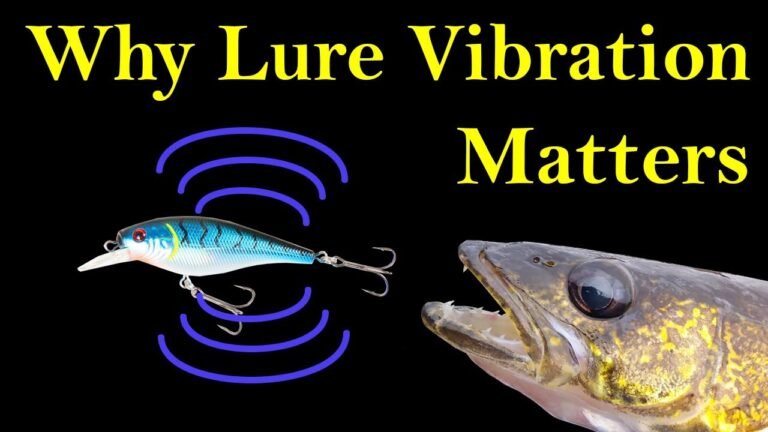
Use contrast, vibration, and louder colors to help fish locate the lure.
- ✦ Low Light
Silhouette and movement often become more important than exact color.
The Role of Contrast
Contrast helps fish notice objects against their background. A lure does not always need to match prey perfectly if it creates a visible shape and movement pattern.
- ✦ Background Matters
A lure may look different depending on whether fish see it against the sky, plants, rocks, or open water.
How Different Fish Species View Fishing Lures
The answer to how do fish see fishing lures changes depending on the fish species. A bass hunting in a lake has different visual needs than a trout feeding in a stream.
Knowing the target species helps anglers choose lure styles that match the fish’s natural feeding habits.

- ✦ Bass
Bass often respond well to movement, contrast, and prey-like shapes.
- ✦ Trout
Trout rely heavily on vision in clear water, making realistic presentations important.
- ✦ Saltwater Fish
Many coastal predators use sight along with vibration and scent to locate prey.