When a fishing lure stops moving the way it should, fish often ignore it. The most common fishing lure losing action causes and fixes involve small issues like a bent lip, tangled line, wrong speed, or damaged hardware.
After years of testing crankbaits, soft plastics, and hard baits, many anglers learn that a lure rarely becomes useless overnight. A careful inspection and a few small adjustments can bring back the vibration, wobble, flash, or roll that makes a lure effective.
What Does It Mean When a Fishing Lure Loses Action?
A lure loses action when it no longer creates the movement it was designed to make. A crankbait may stop wobbling, a spinner may stop rotating, or a jerkbait may glide without the right side-to-side motion.
Understanding fishing lure losing action causes and fixes starts with knowing the normal action of your bait. Each lure has a specific balance between shape, weight, water pressure, and retrieve speed.

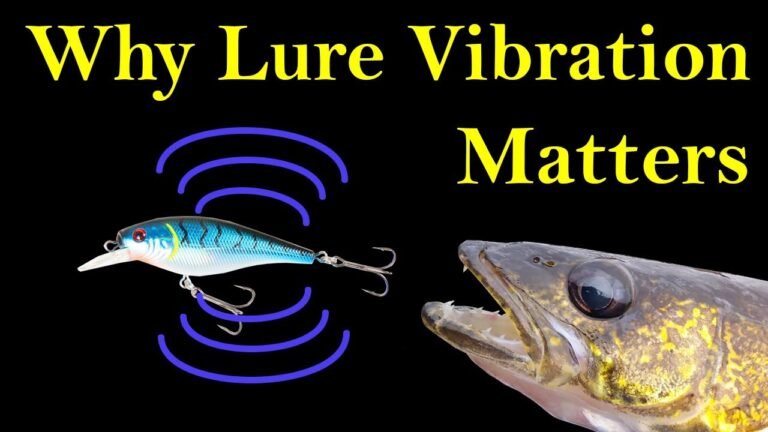
- ✦ Reduced vibration
A lure may produce less vibration when parts are damaged or the retrieve speed is incorrect.
- ✦ Poor tracking
A lure that pulls left or right may have a bent bill, damaged body, or tuning problem.
- ✦ Weak movement
A worn lure can lose its natural roll, wobble, or flash in the water.
Common Fishing Lure Losing Action Causes and Fixes
The most common fishing lure losing action causes and fixes are simple enough for most anglers to handle at home. Start with a close look at the lure before replacing it.
Many problems come from normal use. Rocks, docks, weeds, fish strikes, and storage can slowly change how a lure moves.

- ✦ Bent lure lip or bill
A cracked or bent diving lip changes water pressure and can stop a crankbait from running correctly.
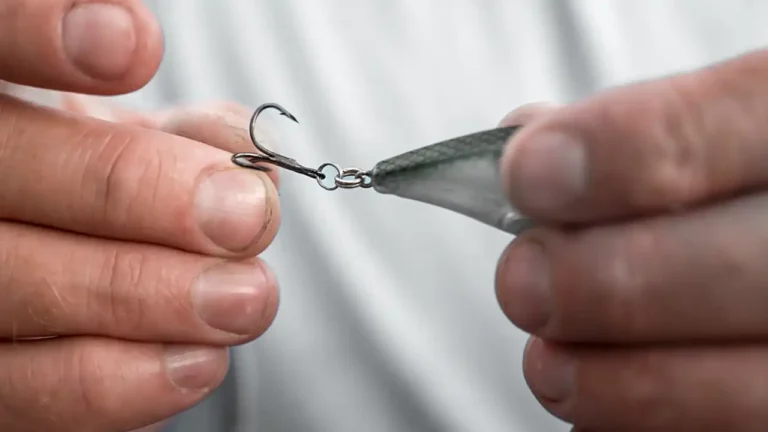
- ✦ Damaged hooks or split rings
Heavy hooks or damaged connection parts can affect lure balance and movement.
- ✦ Line problems
A twisted line or poor knot position can prevent a lure from moving freely.
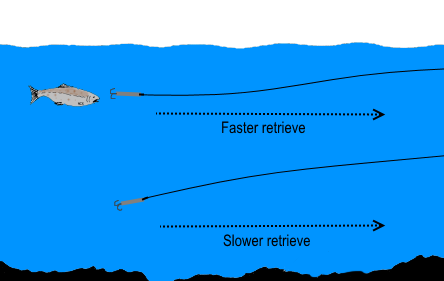
- ✦ Wrong retrieve speed
Too fast or too slow a retrieve can remove the action designed into the lure.
How Damage Changes Lure Movement
Even small cracks or bends can change how water flows around a lure. This can make the bait rise, dive, spin, or run sideways instead of creating its normal action.
- ✦ Inspect after every trip
Check lips, hooks, rings, and bodies before storing your lures.
How to Tune a Fishing Lure That Stops Working Correctly
Lure tuning is one of the most useful skills for solving fishing lure losing action causes and fixes. A small adjustment can restore a lure that looks damaged but still has good potential.
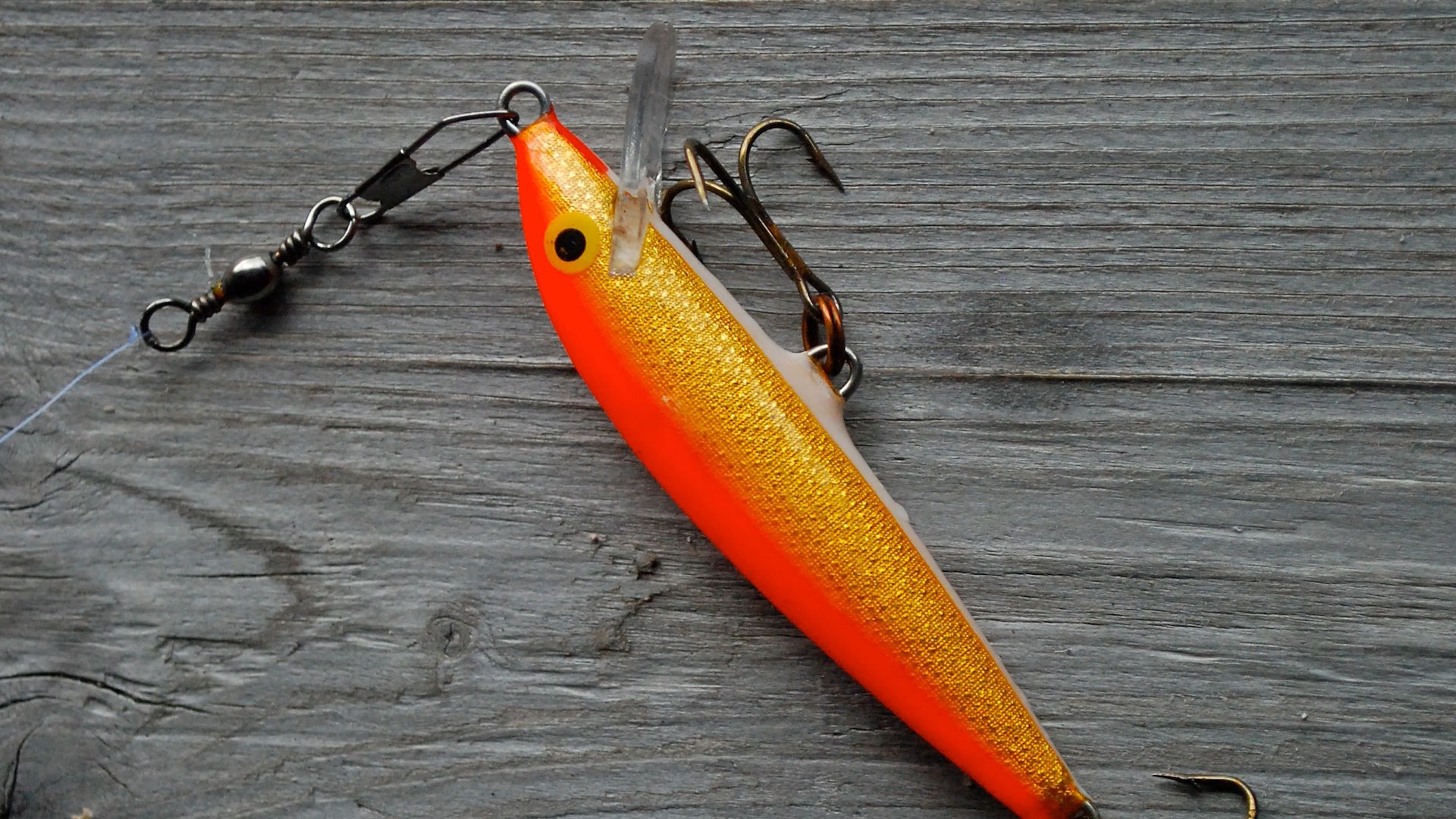
For hard baits, tuning often means adjusting the line tie slightly. Make tiny changes and test the lure after each adjustment.
- ✦ Test before changing parts
Run the lure beside the boat or near shore to see exactly how it moves.
- ✦ Make small adjustments
Large changes can ruin balance and make tuning harder.
- ✦ Replace worn hardware
Fresh split rings and hooks can improve balance and movement.
Tackle and Retrieval Mistakes That Reduce Lure Action
Sometimes the lure is not the problem. The rod, line, reel, or retrieve style can change how a lure behaves in the water.
A heavy line may reduce movement on small lures. A rod with the wrong action may also prevent an angler from creating the intended presentation.

- ✦ Match line size
Use line strength that fits the lure design and target species.
- ✦ Use suitable rod action
The right rod helps transfer movement from the angler to the lure.
- ✦ Control retrieve speed
Change speed until the lure shows its natural movement.
Why Water Conditions Matter
Cold water, strong current, and heavy weeds can change lure performance. Adjusting speed and depth helps the bait work in changing conditions.
- ✦ Adapt to conditions
Change your presentation instead of assuming the lure is broken.
How to Prevent Fishing Lures From Losing Action
Prevention is easier than repair. Good storage, regular cleaning, and careful handling reduce many fishing lure losing action causes and fixes before they become problems.
Experienced anglers often check their favorite lures after every trip. This habit saves time and helps keep proven baits ready for the next outing.

- ✦ Rinse saltwater lures
Freshwater cleaning helps prevent corrosion and keeps parts moving freely.
- ✦ Store lures safely
Avoid crushing lure lips or bending hooks inside crowded tackle boxes.
- ✦ Replace damaged parts
New hooks and rings can restore balance and confidence.
When Should You Replace a Fishing Lure Instead of Repairing It?
Not every lure can be saved. Severe cracks, broken bodies, or major balance problems may cost more time than the lure is worth.
Knowing when to replace a lure is another part of solving fishing lure losing action causes and fixes. Keep repairing lures that only need simple work, but retire unsafe or badly damaged ones.

- ✦ Replace cracked bodies
Deep cracks can change buoyancy and make consistent action impossible.
- ✦ Retire badly bent parts
Some damage cannot be corrected without affecting lure balance.