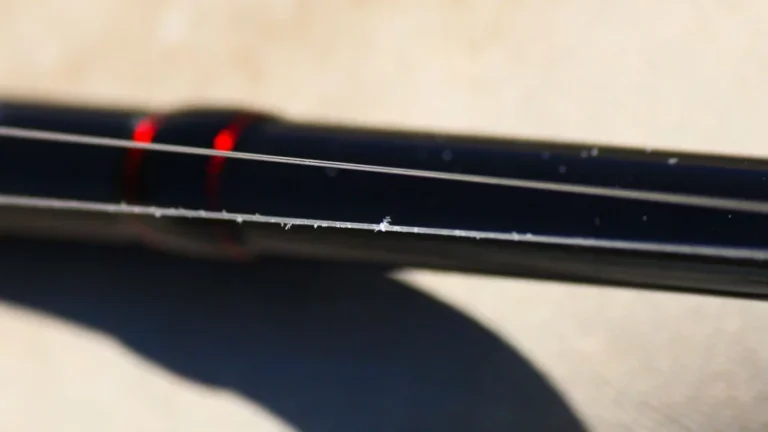
Braid is best for sensitivity and casting; fluorocarbon wins for low visibility and abrasion resistance.
I’ve spent 15 years guiding anglers and testing gear, and this braid vs fluorocarbon guide breaks down what matters. Read on to learn clear, practical differences, real-world tips for rigs and knots, and which line wins for specific fishing situations.
What are braid and fluorocarbon?
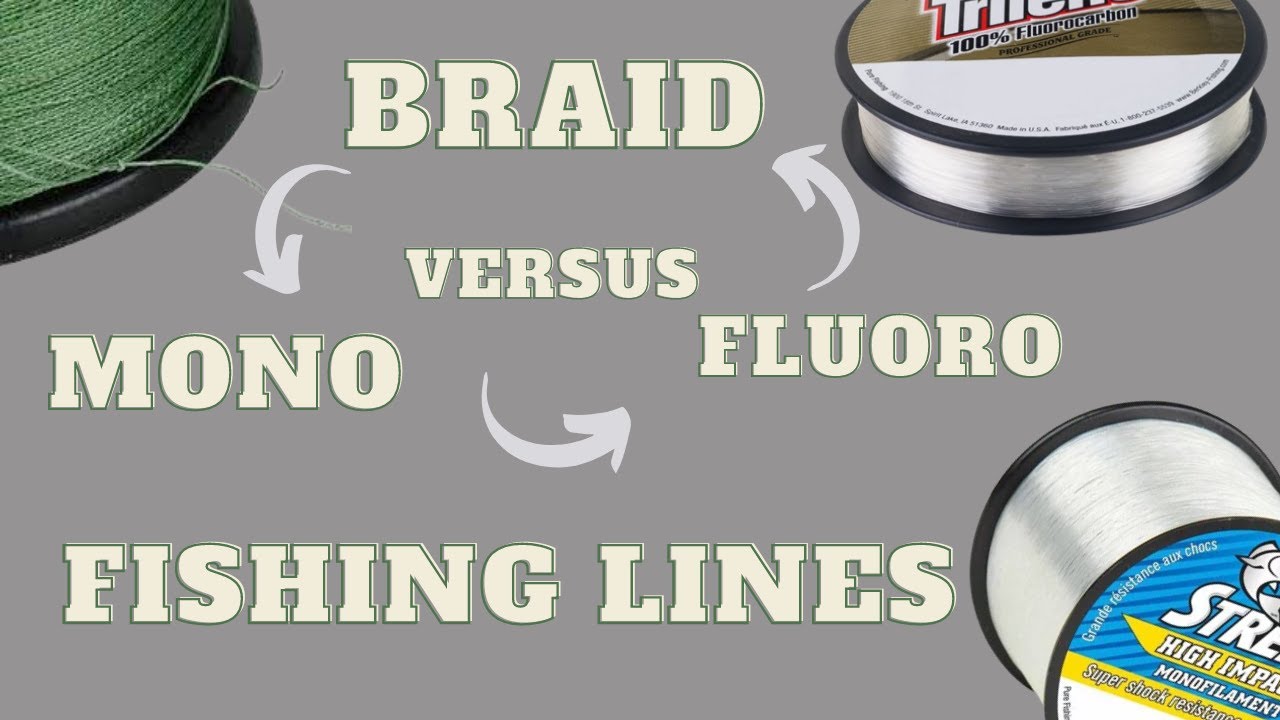
Braid is a multi-strand woven line. It uses thin fibers that give very high strength for its diameter. Braid has almost no stretch. It casts far and reads bites fast.
Fluorocarbon is a single-strand polymer line. It is denser than water and nearly invisible underwater. Fluorocarbon has more stretch than braid, but less than mono. It resists abrasion and sinks quickly.
In the braid vs fluorocarbon debate, think of braid as a lightning-fast signal cable and fluorocarbon as a stealthy, tough leader.
Key differences at a glance
Strength per diameter
Braid has very high tensile strength for small diameter. Fluorocarbon needs bigger diameter to match braid strength.
Visibility underwater
Fluorocarbon refracts light close to water, so it is less visible. Braid is more visible because of its color and surface.
Sensitivity and feel
Braid has almost zero stretch. You feel every bump. Fluorocarbon has moderate stretch and dampens tiny taps.
Abrasion resistance
Fluorocarbon resists nicks and abrasion better than braid in many cases. Braid can fray on rough structure.
Knot performance
Braid needs specific knots or a fluorocarbon leader. Fluorocarbon knots can be slippy; extra wraps help.
Stretch and shock absorption
Fluorocarbon provides shock absorption that protects hooks and rods. Braid transmits shock directly.
Buoyancy and sinking
Fluorocarbon sinks. Braid floats or sits neutrally. This affects lure presentation and depth control.
Casting in wind
Braid cuts wind and casts longer. Fluorocarbon is heavier and shortens casts in strong wind.
Price and spool capacity
Braid gives more yards per spool at similar cost. Fluorocarbon is often pricier and bulkier for same strength.
When comparing braid vs fluorocarbon, match each line’s trait to the fish, water, and lures you use.

Performance by use case
When to pick braid
- Fishing in deep water where sensitivity matters.
- Casting light jigs long distances.
- When you need maximum line capacity on a small reel.
- Trolling where low stretch is preferred.
When to pick fluorocarbon
- Clear water where line visibility matters.
- Fishing around rocks, reefs, or sharp teeth.
- Using subsurface lures that need to sink.
- As a leader attached to braid or mono.
Use braid mainline with a fluorocarbon leader when you want both sensitivity and stealth. This combo shows why braid vs fluorocarbon is not always an either-or choice.
How to rig and join braid to fluorocarbon
Best knot and rig choices
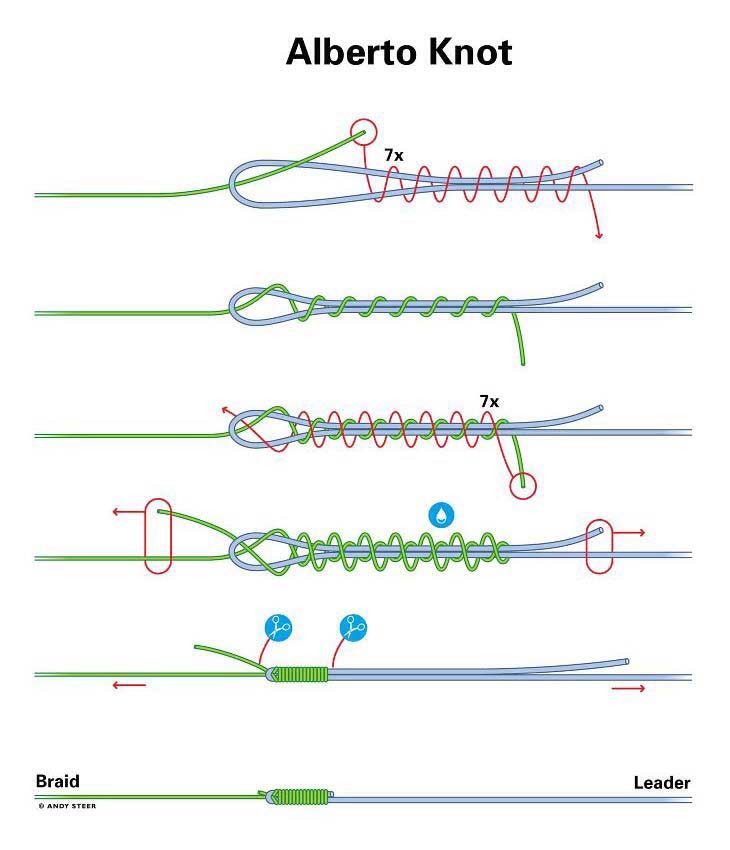
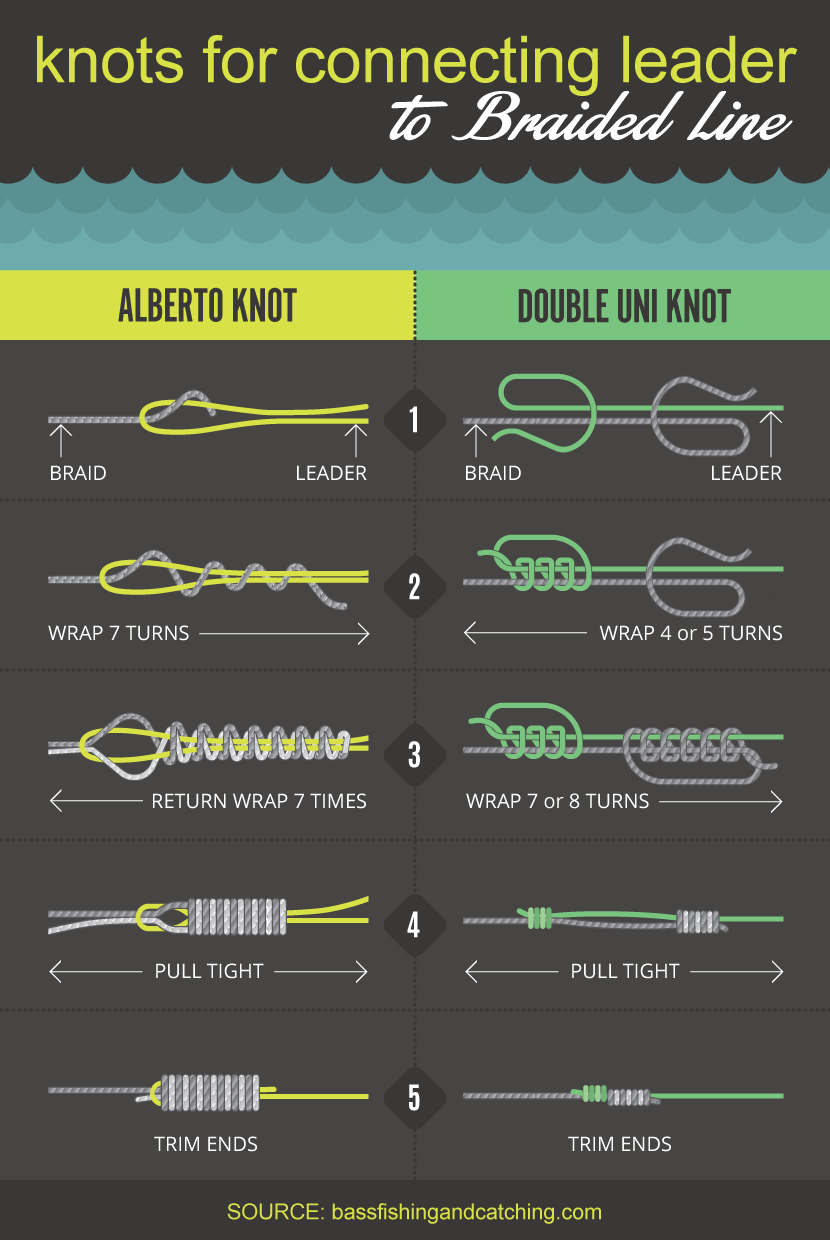
- Use an FG knot for compact, strong braid-to-fluoro connections.
- Use a double Uni or Albright knot for easy, reliable joins.
- Add a 2 to 6 foot fluorocarbon leader for stealth near the lure.
- Use a shock tippet or a heavier leader for toothy species.
Practical steps
- Trim braid end cleanly and wet knots before tightening.
- Make extra wraps with fluoro to prevent slips.
- Test knots with a firm pull before you fish.
From my guide trips, I rely on the FG knot for long casts and a double Uni for quick leader swaps. It saves fish and frustration.
 mistakes and tips from experience”
style=”max-width: 100%; height: auto; border: 2px solid black; border-radius: 10px; display: block; margin: 0 auto;”
loading=”lazy”
/>
Common mistakes and tips from experience
Mistakes to avoid
- Tying braid directly to hooks without a leader in clear water.
- Using thin fluorocarbon near sharp structure.
- Overlooking knot lubrication; dry knots slip and fail.
- Leaving frayed braid on the spool; cut and retie often.
Practical tips
- Always tape or use a sticky bead to keep braid off spool to reduce line twist.
- Replace fluoro leaders after heavy abrasion or long sun exposure.
- Match leader length to depth and current; more depth needs longer leader.
I once lost a trophy bass because I tied braid straight to a fluorocarbon hook link with too few wraps. Since then I double-check knots every trip.
Buying guide and recommendations
What to look for when buying
- Check pound test relative to lure size and species.
- Choose braid for small diameter and high yards per spool.
- Choose fluorocarbon for abrasion resistance and low visibility.
- Pair braid mainline with 2-6 foot fluoro leader for most freshwater situations.
Suggested setups
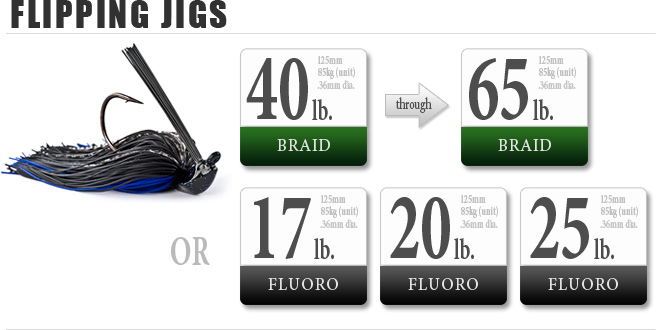
- Light freshwater: 6-10 lb braid with 4-6 lb fluorocarbon leader.
- Bass in clear water: 10-30 lb braid with 8-20 lb fluorocarbon leader.
- Saltwater shore or boat: 20-80 lb braid with heavy fluoro leader for abrasion.
Prices and brands vary. Test small spools first. Trust labels for diameter and strength but expect small real-world variance.
People also ask
Is braid better than fluorocarbon for casting?
Braid casts farther and resists wind better because of its thin diameter. Fluorocarbon is heavier and usually casts shorter.
Can you use braid and fluorocarbon together?
Yes. Use braid as a mainline and add a fluorocarbon leader to reduce visibility and increase abrasion resistance. A good knot makes the combo reliable.
Which line is better for deep-water jigging?
Braid is often better because it transmits feel and drops quickly on the line. Add a fluorocarbon leader if fish are line-shy.
Frequently Asked Questions of braid vs fluorocarbon
What is the main advantage of braid over fluorocarbon?
Braid gives superior sensitivity and much higher strength per diameter. It casts farther and carries more yards on a spool.
Is fluorocarbon truly invisible underwater?
Fluorocarbon refracts light similar to water, making it less visible than braid or mono. It is often the best choice for clear, pressured waters.
How long should a fluorocarbon leader be when using braid?
A 2 to 6 foot fluorocarbon leader is standard for many rigs. Longer leaders help with deep or clear-water situations.
Do knots hold better in braid or fluorocarbon?
Braid and fluorocarbon require different knot techniques. Fluorocarbon needs more wraps; braid benefits from knots that grip the braid fibers.
Which line lasts longer on average?
Fluorocarbon resists UV and abrasion better than braid in many situations. Braid can degrade from fraying and sun over long use.
Conclusion
Choosing between braid vs fluorocarbon comes down to your water, target fish, and presentation. Use braid for sensitivity and casting. Use fluorocarbon for low visibility and abrasion resistance. Try a braid mainline with a fluoro leader for many situations.
Pick one idea to test next trip: swap to braid for a sensitive setup or add a fluorocarbon leader for stealth. Share your results, subscribe for more tips, or leave a comment about your favorite braid vs fluorocarbon setup.