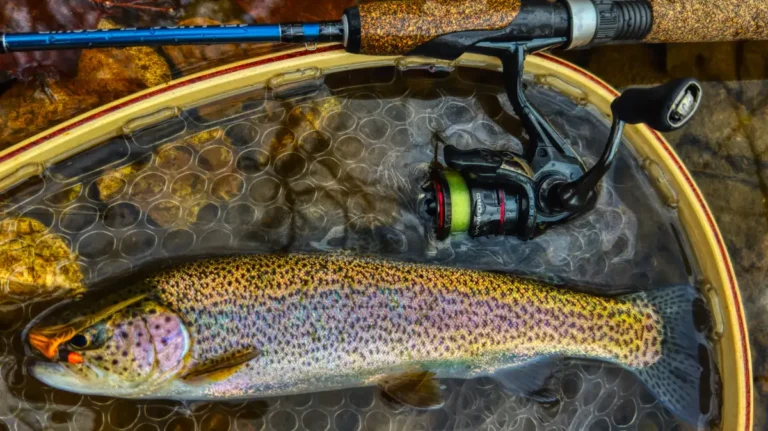
If you are searching for fishing line digging into reel spool how to fix, the problem is usually caused by uneven pressure on the spool. The line sinks into lower layers when a fish pulls hard, when you set the hook with heavy force, or when the line was installed too loosely.
I have seen this issue happen often with spinning reels used for bass, trout, and inshore fishing across the United States. A reel can look perfectly fine, but hidden line damage under the surface can create casting problems, sudden knots, and weak spots during a fight with a fish.

Why Does Fishing Line Dig Into a Reel Spool?
Fishing line digging into reel spool happens when one layer of line cuts into the layers below it. The pressure forces the line downward and creates small grooves. These grooves can make the next cast rough or cause the line to break under stress.
The issue can happen on both spinning reels and baitcasting reels. The cause is usually related to line setup, fishing pressure, or using equipment that does not match the fishing style.
- ✦ Loose line spooling
Line that was added without enough tension can create soft layers that collapse when pressure increases.
- ✦ Heavy drag pressure
A strong fish pulling against a tight drag can force the upper line layers deep into the spool.
- ✦ Wrong line size
Very thin line on a heavy setup may cut into itself more easily during hard fights.
- ✦ Too much line on the spool
An overfilled spool creates extra pressure and increases the chance of line crossing and digging.
How Line Digging Affects Fishing Performance
A damaged spool does not always fail immediately. Many anglers notice small signs first, such as shorter casts, line sticking during release, or unexpected loops forming near the reel.
- ✦ Casting distance reduction
Deep grooves can stop the line from leaving the spool smoothly.
- ✦ Higher break risk
Repeated pressure on the same damaged area can weaken the fishing line.
Fishing Line Digging Into Reel Spool How to Fix: Step-by-Step Method
The best way to fix fishing line digging into reel spool how to fix problems is to inspect the damaged section and rebuild the spool correctly. Do not simply pull harder on the line because this can make the grooves deeper.
Start by removing the loose outer layers until you reach smooth line. If the line has visible damage, replace it instead of risking a broken connection while fishing.

- ✦ Step 1: Remove damaged line
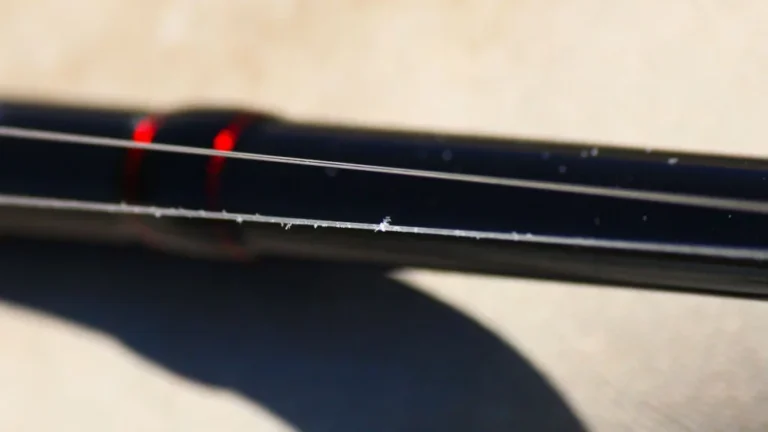
Cut away sections that show flattening, fraying, or deep marks caused by spool pressure.
- ✦ Step 2: Check spool condition
Make sure the spool edge is smooth and free from scratches that could damage the line.
- ✦ Step 3: Respool with tension
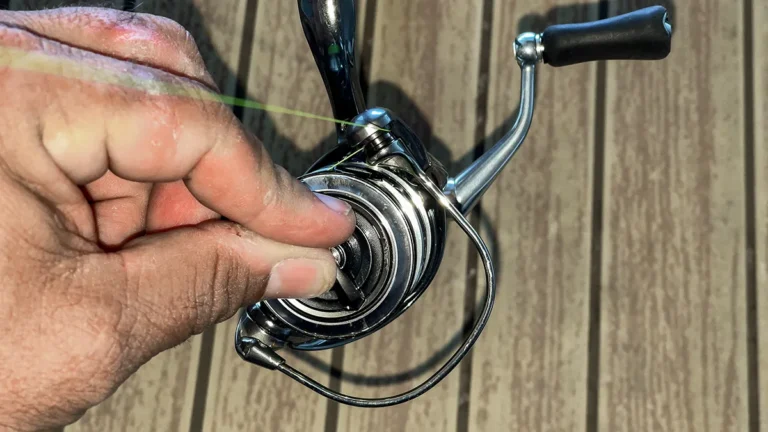
Hold the line firmly while adding new line so each layer sits tightly and evenly.
- ✦ Step 4: Test before fishing
Make several casts and check whether the line leaves the spool smoothly.
How to Respool a Spinning Reel Correctly
Place the new line spool so it matches the direction your reel picks up line. Keep steady pressure with your fingers or use a line spooler tool. A firm, even wrap prevents future digging problems.
- ✦ Keep moderate tension
The line should feel tight but not stretched during installation.
Common Mistakes That Cause Line Digging Problems
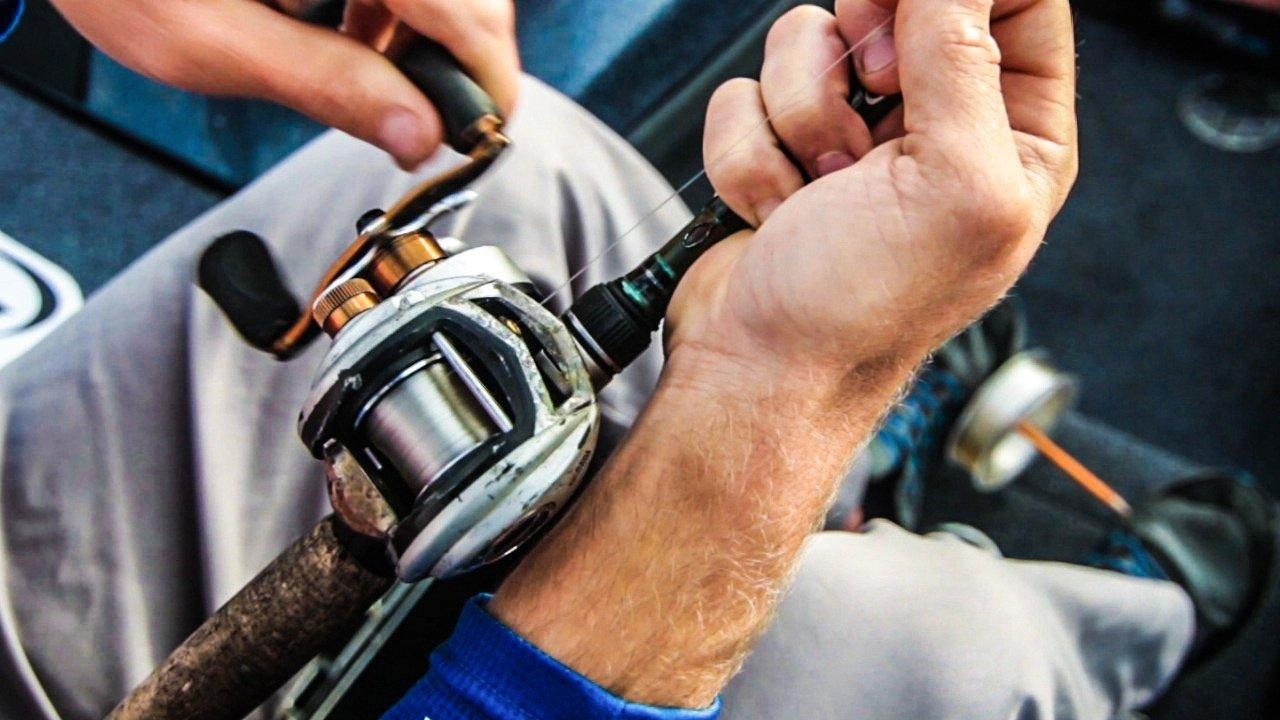
Many anglers focus on the reel itself when the real issue comes from setup mistakes. A quality reel can still develop line digging if the spool is filled incorrectly or the drag system is used improperly.
Understanding these mistakes helps you solve fishing line digging into reel spool how to fix issues before they become serious.
- ✦ Using worn fishing line
Old line loses strength and becomes more likely to flatten or cut into itself.
- ✦ Ignoring drag settings
A locked-down drag transfers too much force directly into the spool layers.
- ✦ Poor knot placement
Large knots or uneven backing can create pressure points under the main line.
Choosing the Right Line for Your Reel
Line choice matters because different materials handle pressure differently. Braided line has high strength but can dig into itself without proper tension. Monofilament is more forgiving but still needs correct setup.
- ✦ Braided line
Use enough tension while spooling because braid can pack tightly and cut into lower layers.
- ✦ Monofilament line
Avoid overfilling because memory and loose loops can create uneven pressure.
How to Prevent Fishing Line From Digging Into the Spool Again
Prevention is easier than repair. Once you fix fishing line digging into reel spool how to fix problems, focus on better habits that protect your reel during every trip.
Small adjustments like proper drag settings, regular inspection, and correct line storage can greatly improve reel performance.
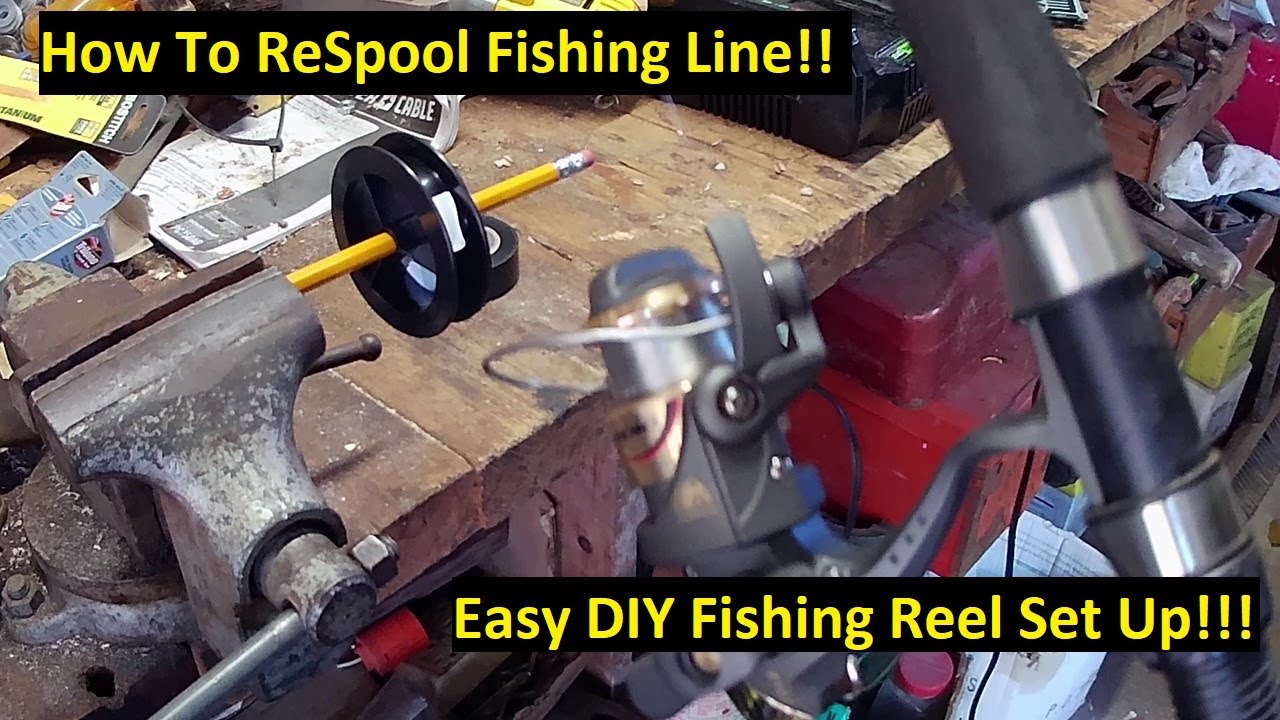
- ✦ Use the correct drag setting
Allow the drag system to control fish runs instead of forcing all pressure into the spool.
- ✦ Avoid overfilling
Leave a small gap below the spool edge for smoother casting.
- ✦ Clean your reel
Remove dirt and salt buildup that can affect spool movement and line handling.
- ✦ Check line often
Replace damaged sections before they create bigger problems.
When Should You Replace the Entire Fishing Line?
If the line has repeated digging marks, cracks, or weak areas, replacing it is safer than trying to repair it. Fresh line gives better casting control and reduces unexpected failures.
Tools and Techniques That Help Avoid Reel Spool Issues
The right tools make line management easier. Many anglers solve fishing line digging into reel spool how to fix problems by improving the way they prepare their reels before heading outdoors.
A simple maintenance routine can protect expensive fishing equipment and reduce frustration on the water.
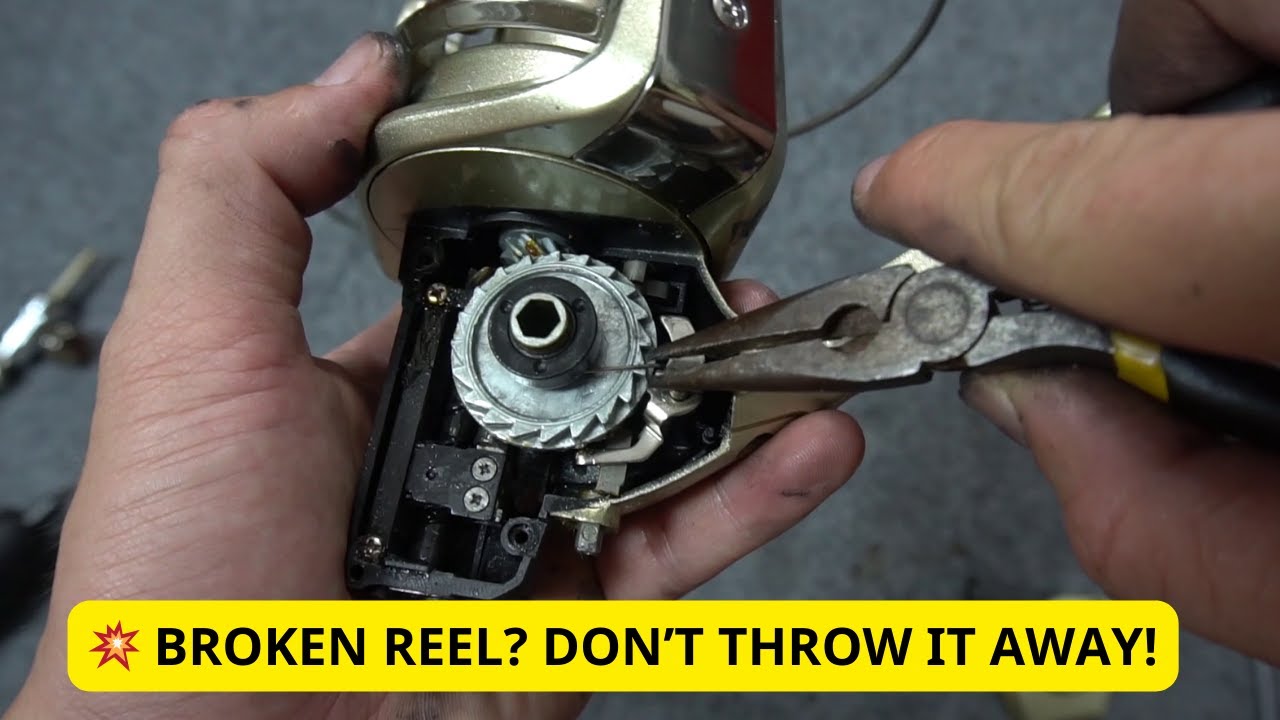
- ✦ Line spooler tool
A spooler keeps steady tension and creates more even line layers.
- ✦ Quality fishing line
Better line materials usually handle repeated pressure more consistently.
- ✦ Reel lubricant
Proper lubrication keeps reel parts working smoothly.