Understanding how baitfish respond to temperature is one of the most useful skills for anglers in the United States. Whether fishing a southern reservoir in summer or a northern lake during winter, water temperature shapes baitfish behavior every day.
After years of studying fishing patterns, many anglers learn that baitfish rarely stay in one place. They follow comfortable temperature zones, oxygen levels, food sources, and seasonal changes. Knowing these patterns can help you predict where larger fish will hunt.
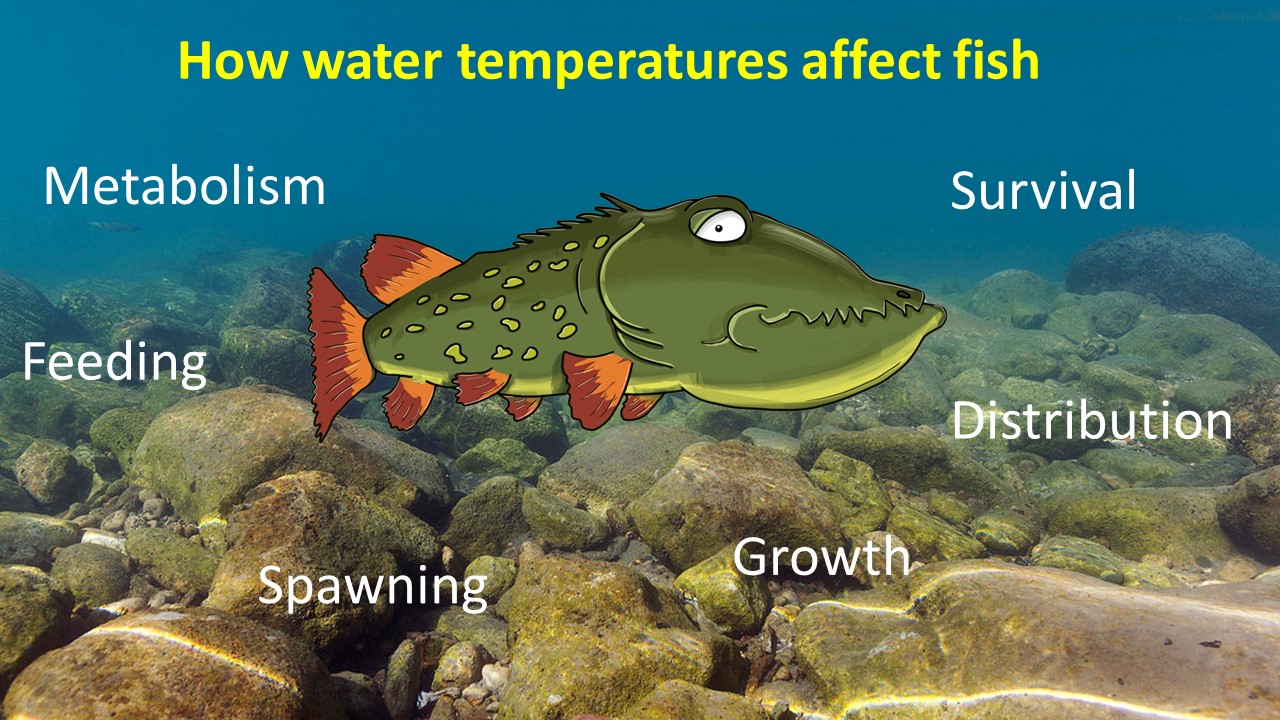
Why temperature controls baitfish behavior
Baitfish are cold-blooded animals, which means their body temperature changes with the surrounding water. Because of this, temperature affects their metabolism, swimming speed, digestion, and overall activity.
When learning how baitfish respond to temperature, anglers should remember that small changes can create big behavior shifts. A few degrees of water temperature can move baitfish toward new areas with better comfort and survival conditions.

- ✦ Metabolism changes
Warmer water usually increases baitfish metabolism, causing them to need more food and move more often.
- ✦ Energy conservation
Cold water slows baitfish activity, so they save energy by reducing movement and feeding less.
The role of comfort zones
Baitfish search for temperature ranges where they can survive efficiently. These comfort zones often contain enough oxygen and food to support active movement.
- ✦ Stable conditions
Baitfish often prefer areas where temperature changes slowly instead of places with sudden shifts.
How baitfish respond to temperature in different seasons
Seasonal changes create predictable baitfish patterns. Learning how baitfish respond to temperature during each season gives anglers a better idea of where bait schools may gather.
In the United States, spring and fall often bring the biggest changes because water temperatures move quickly and trigger major baitfish movement.

- ✦ Spring behavior
Rising temperatures increase baitfish activity as they move toward shallow areas to feed and reproduce.
- ✦ Summer behavior
During hot months, baitfish often search for cooler water with higher oxygen levels.
- ✦ Fall behavior
Cooling water can push baitfish into feeding periods as they prepare for colder conditions.
- ✦ Winter behavior
Cold temperatures slow baitfish movement and often concentrate them in deeper areas.
How warm water affects baitfish activity
Warm water increases baitfish metabolism and can make them more active. They may swim faster, feed more often, and spread across larger areas when conditions are comfortable.
However, extremely warm water can create stress. When oxygen levels drop, baitfish may leave shallow areas and move toward deeper or shaded locations.

- ✦ Faster feeding
Higher temperatures can increase food needs, causing baitfish to search actively for insects, plankton, and small organisms.
- ✦ Oxygen concerns
Warm water holds less oxygen, so baitfish may avoid overheated areas.
Summer fishing clues
During summer, anglers can often find baitfish near cooler water sources, current areas, vegetation, and structures that provide shade.
- ✦ Look for movement
Bird activity and surface disturbances can reveal active baitfish schools.
How cold water changes baitfish movement
Cold water slows almost every process inside a baitfish. They swim less, digest food slower, and often gather in tight groups to save energy.
When studying how baitfish respond to temperature in winter, anglers should focus on areas that provide stable conditions. Deep water, channels, and protected zones often become important locations.

- ✦ Reduced activity
Cold temperatures reduce movement because baitfish need less energy when their metabolism slows.
- ✦ Schooling behavior
Many baitfish form larger schools during colder periods for safety and efficiency.
How anglers use temperature knowledge to find baitfish
Knowing how baitfish respond to temperature allows anglers to make smarter decisions before casting. Water temperature readings, fish finders, and seasonal knowledge all provide useful clues.
Experienced anglers do not only look for fish. They first search for baitfish because predator species often follow available food.

- ✦ Use a temperature gauge
A simple water temperature reading can reveal whether baitfish are likely shallow, deep, active, or slow.
- ✦ Watch predator signs
Birds, surface activity, and sonar marks can indicate nearby baitfish schools.
Combining temperature with other factors
Temperature works best when combined with oxygen, water clarity, current, and available food. These factors work together to shape baitfish behavior.
- ✦ Multiple signals
The best fishing decisions come from reading several environmental clues together.
Frequently Asked Questions about how baitfish respond to temperature

fishingscouty
Contributor