Learning how to choose bait based on fish behavior starts with watching the fish, not just picking a popular bait. Experienced anglers study what fish eat, where they move, and how they react before selecting a lure or natural bait.
In my years studying fishing methods and bait choices, I have found that successful anglers do not rely on luck alone. They adjust their bait based on water temperature, weather, time of day, and the natural food sources available in the area.
For anglers across the United States, from bass fishermen on southern lakes to trout anglers in mountain streams, understanding fish behavior creates a smarter and more effective approach.

Understand Why Fish Behavior Matters When Selecting Bait
Fish do not bite every bait because they are hungry. They respond to movement, smell, sound, color, and how natural the bait looks in their environment. This is why understanding how to choose bait based on fish behavior is more important than simply buying the most popular option.
A fish that is actively feeding may chase fast-moving bait, while a cautious fish may prefer a slow presentation. Good anglers learn these differences and change their approach when conditions shift.
- ✦ Feeding habits
Identify whether fish are hunters, scavengers, or bottom feeders before choosing bait.
- ✦ Reaction patterns
Notice if fish respond better to movement, scent, vibration, or natural appearance.
- ✦ Environmental clues
Match bait choices with local insects, small fish, worms, and other prey.
Study What Fish Eat Naturally
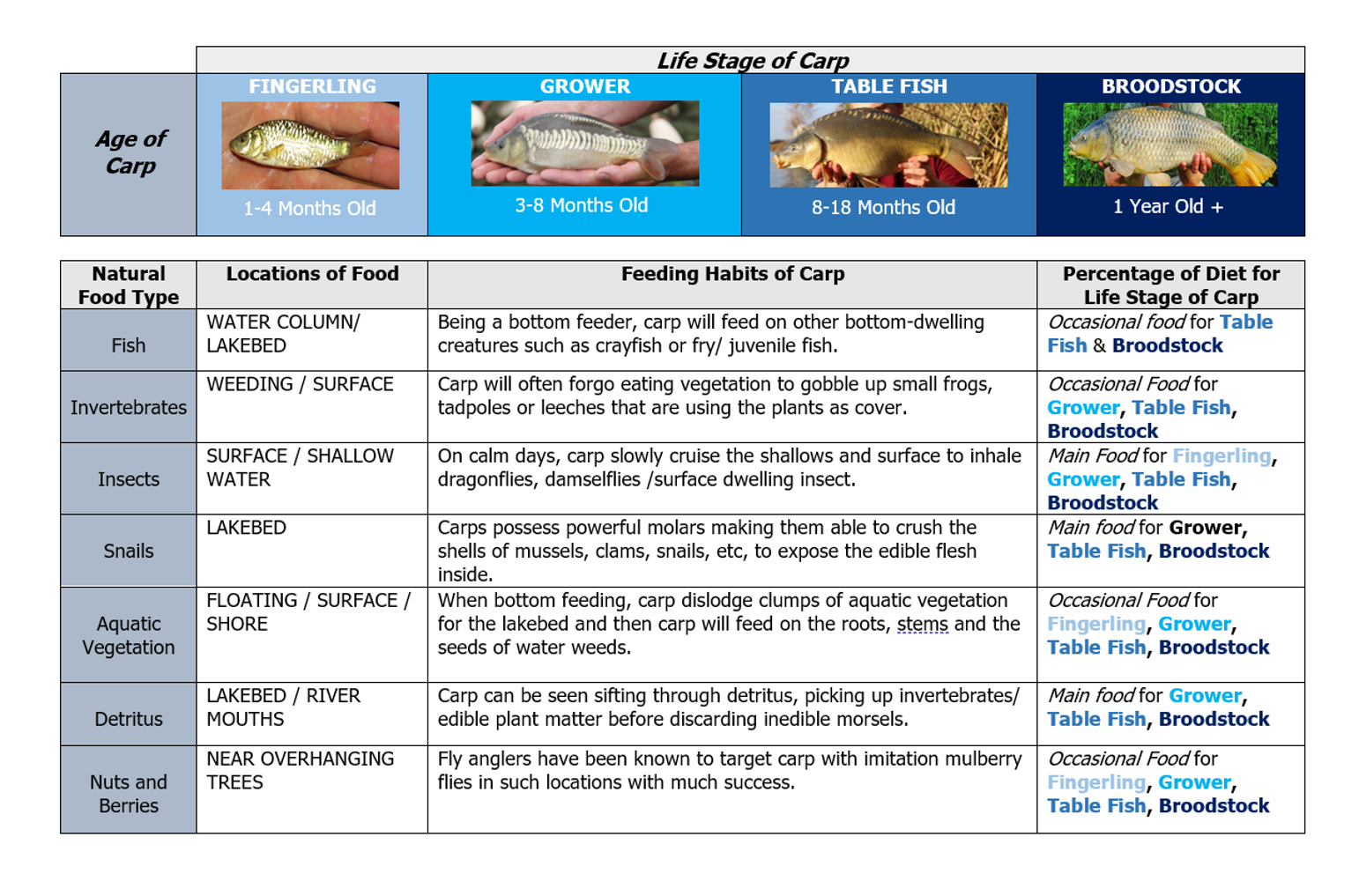
The easiest way to choose effective bait is to copy the natural food available around the fish. Bass often target smaller fish and crawfish, while trout may focus on insects and small aquatic creatures.
How to choose bait based on fish behavior becomes easier when you understand the local food chain and observe what fish are already chasing.
Match Bait Type With Fish Feeding Style
Different fish species have unique feeding styles. Some attack moving prey, some search along the bottom, and others feed near the surface. Choosing bait that fits these habits increases your chance of getting a strike.
When learning how to choose bait based on fish behavior, focus on how the fish finds food rather than only the appearance of the bait.
- ✦ Predatory fish
Use bait that creates movement and imitates injured prey for aggressive hunters.
- ✦ Bottom feeders
Choose bait that stays near the bottom and releases natural scents.
- ✦ Surface feeders
Use floating bait or lures that imitate insects and small creatures.
Natural Bait Versus Artificial Bait
Natural bait works well because it provides familiar smells and textures. Artificial bait can be effective because it allows anglers to control movement, color, and presentation.
The right choice depends on fish mood, water clarity, and fishing goals.
- ✦ Natural bait examples
Worms, minnows, insects, and cut bait often attract fish through scent.
- ✦ Artificial bait examples
Lures imitate prey through action, vibration, and visual appeal.
Consider Water Conditions Before Choosing Bait
Water conditions can change fish behavior quickly. Temperature, clarity, depth, and current affect where fish move and what they are willing to eat.
A major part of how to choose bait based on fish behavior is adapting your bait to the environment instead of using the same method every trip.

- ✦ Clear water
Use realistic bait with natural colors because fish can inspect it closely.
- ✦ Murky water
Choose bait with stronger vibration, scent, or movement to attract attention.
- ✦ Cold water
Use slower bait presentations because fish metabolism decreases.
Choose Bait Based on Species Behavior
Every fish species has different habits. Bass often react to movement and ambush opportunities, while catfish depend heavily on scent and taste. Trout usually prefer smaller natural food sources.
How to choose bait based on fish behavior requires knowing the target species and understanding its normal feeding routine.

- ✦ Bass
Try worms, crawfish imitations, minnows, and active lures that trigger strikes.
- ✦ Catfish
Use strong-smelling bait that helps fish locate food through scent.
- ✦ Trout
Match local insects and small prey with natural presentations.
Observe Fish Before Casting
Watch for surface activity, jumping baitfish, feeding birds, or insects near the water. These signs reveal what fish may be targeting.
Small observations can improve how to choose bait based on fish behavior and prevent random bait changes.
Adjust Bait Presentation to Match Fish Mood
The bait itself is only part of the process. The way you present it can decide whether a fish attacks or ignores it. Slow movement, pauses, and depth changes often make bait look more natural.
Many anglers improve their results when they understand that how to choose bait based on fish behavior also includes choosing the correct speed and technique.

- ✦ Active fish
Use faster movement to imitate escaping or injured prey.
- ✦ Inactive fish
Slow down and place bait closer to where fish rest.
- ✦ Pressure conditions
Use smaller and more natural presentations when fish are cautious.
Common Mistakes When Selecting Fishing Bait
Many beginners choose bait based only on advertisements or advice from other anglers. While recommendations help, fish behavior changes between locations and seasons.
Avoiding these mistakes makes how to choose bait based on fish behavior a more reliable skill.
- ✦ Using one bait everywhere
Different lakes, rivers, and seasons require different bait strategies.
- ✦ Ignoring local prey
Fish often prefer food they already recognize in their habitat.
- ✦ Not changing techniques
Adjust bait when fish stop showing interest.
Frequently Asked Questions about how to choose bait based on fish behavior

fishingscouty
Contributor