When anglers search for fishing lure spinning during retrieval how to fix, they usually notice a lure that rolls, twists, or turns instead of swimming naturally. This problem is common with spinnerbaits, spoons, crankbaits, and soft plastics. A lure that spins too much can create line twist and reduce realistic movement.
After years of testing lures in U.S. lakes, rivers, and coastal waters, experienced anglers learn that small setup changes often solve this issue. The key is finding whether the problem comes from the lure, the line, the reel, or the way the lure moves through the water.

Why Does a Fishing Lure Spin During Retrieval?
Understanding why a fishing lure spins during retrieval how to fix starts with identifying the cause. Most lures are designed to wobble, flash, or vibrate, but they should not rotate like a propeller unless that action is intended.
A spinning lure often creates extra drag in the water. This can make the lure look unnatural and can also twist your fishing line after repeated casts.
- ✦ Line twist
Twisted monofilament or fluorocarbon line can transfer rotation directly to the lure and make it spin.
- ✦ Poor lure balance
A bent hook, damaged body, or uneven weight can force the lure to roll during the retrieve.
- ✦ Wrong retrieval speed
Pulling a lure too fast can make it rise, roll, or lose its designed swimming action.
How Water Pressure Changes Lure Movement
Every lure has a balance point. When water pushes against the lure evenly, it tracks correctly. When one side creates more resistance, the lure may start spinning during retrieval.
- ✦ Check lure alignment
Make sure the eyelet, hook, and body sit straight before casting.
Check and Remove Fishing Line Twist
Line twist is one of the most common answers when learning fishing lure spinning during retrieval how to fix. Spinning reels can add twist when line enters the spool unevenly or when a lure rotates during use.
A simple test is to hold your line above the lure and watch for coils. If the line springs into loops, remove the twist before changing your lure.
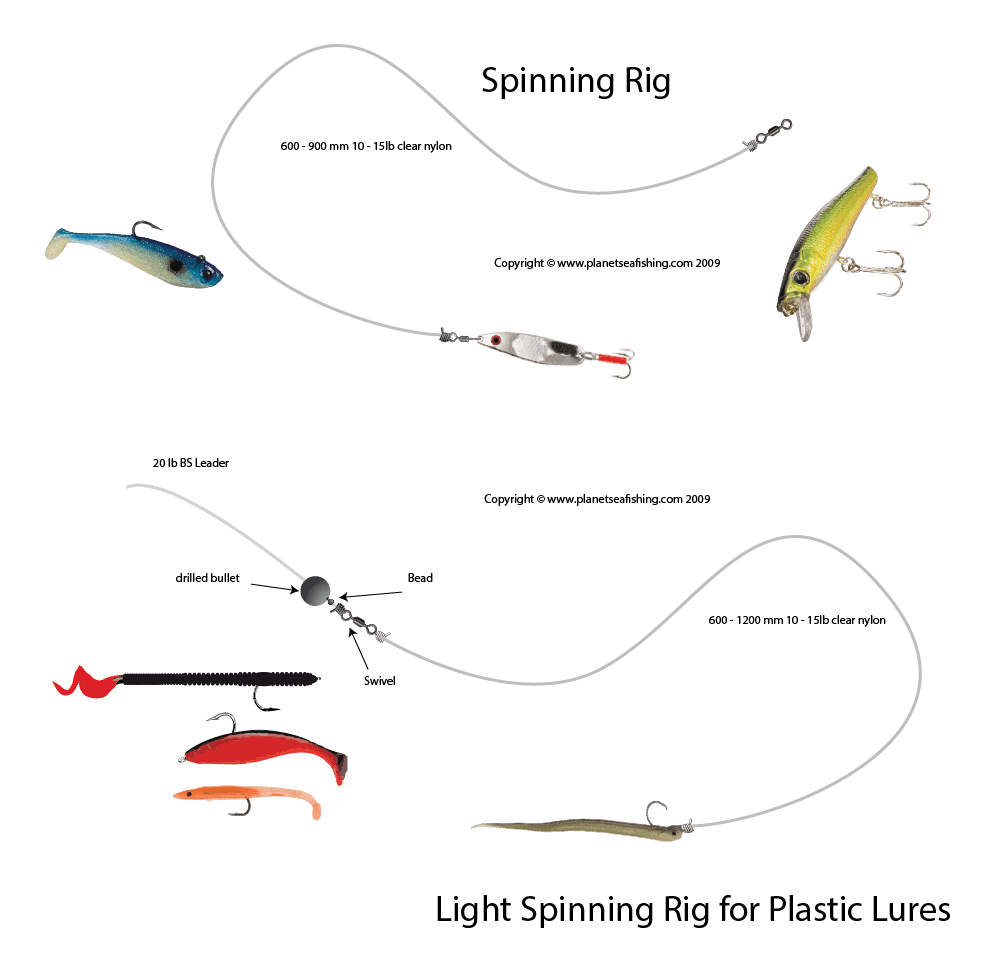
- ✦ Use a swivel when needed
A quality swivel can reduce twisting caused by spoons, inline spinners, and other rotating lures.
- ✦ Let line relax
Remove the lure and allow line to trail behind a slowly moving boat or current to release twists.
Adjust Your Retrieve Speed and Technique
Many anglers solve fishing lure spinning during retrieval how to fix by changing how they reel. Each lure has a speed range where it produces the correct action.
A steady, moderate retrieve works well for many lures. If the lure spins, slow down and watch how it moves near the surface before making another cast.
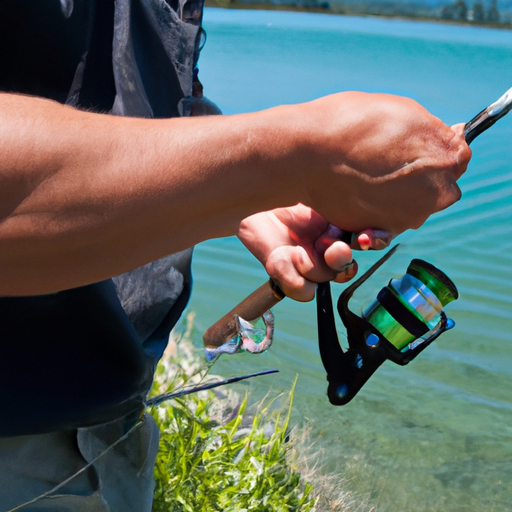
- ✦ Use a slower retrieve
A slower pace often allows the lure to stabilize and move naturally.
- ✦ Try pauses
Short pauses can reduce unwanted rotation and trigger fish strikes.
Match Speed to Lure Type
Spinner blades, spoons, and hard baits each respond differently to speed. Learning the correct pace is one of the easiest ways to prevent lure rotation.
- ✦ Observe the lure
Watch the lure beside the boat or shore to see its true action.
Inspect the Lure, Hook, and Connection Points
A damaged lure can be the reason behind fishing lure spinning during retrieval how to fix problems. Small bends or loose parts can change the way water moves around the lure.
Before replacing the lure, inspect the attachment point and make sure the knot is secure and centered.
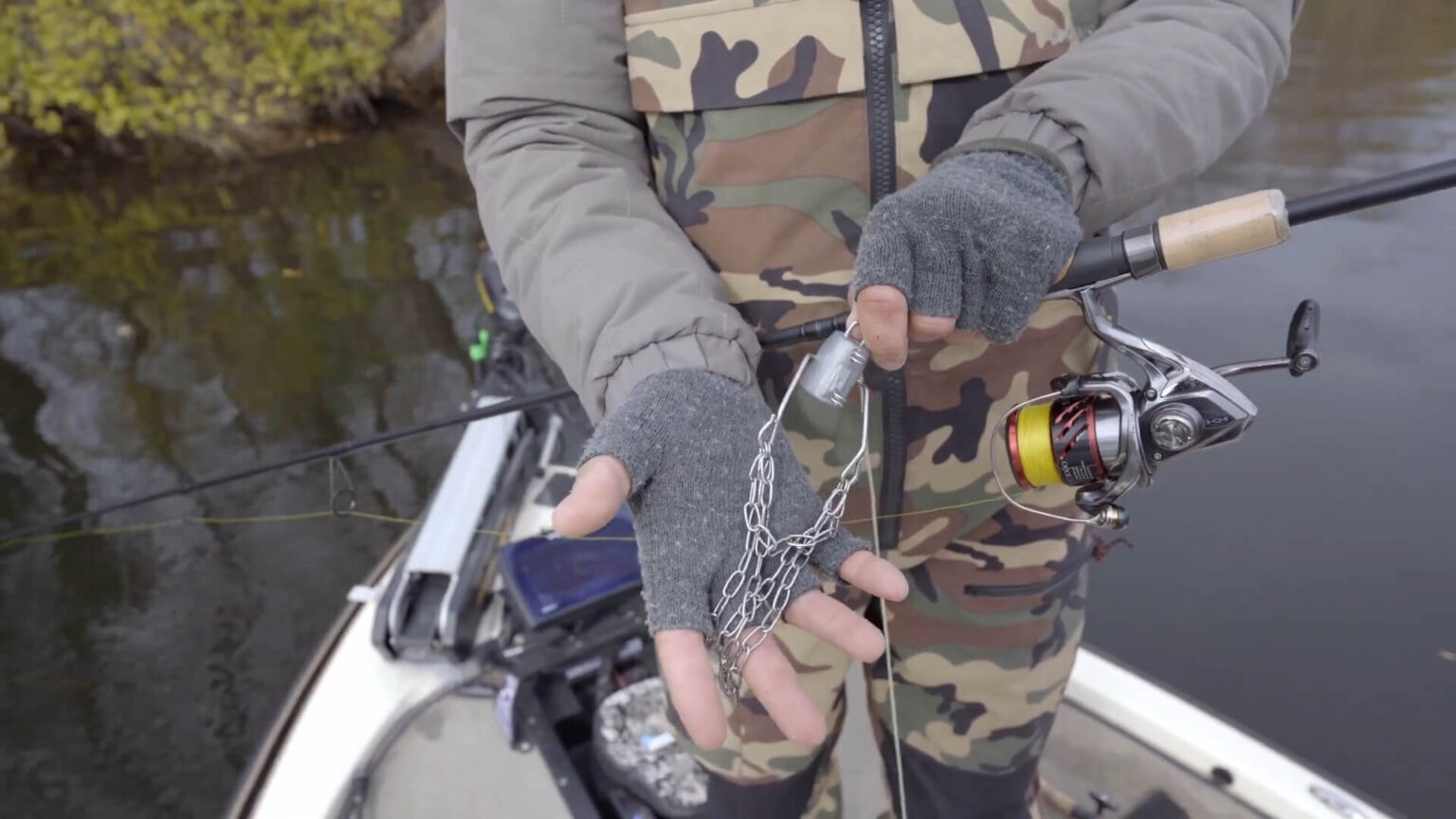
- ✦ Straighten bent parts
Repair small bends in wire frames or hardware when possible.
- ✦ Check knots
A poorly tied knot can pull the lure off balance.
Common Reel Problems That Cause Lure Spinning
Sometimes the lure is not the problem. A worn reel, uneven line lay, or damaged spool can create conditions that make fishing lure spinning during retrieval how to fix more difficult.
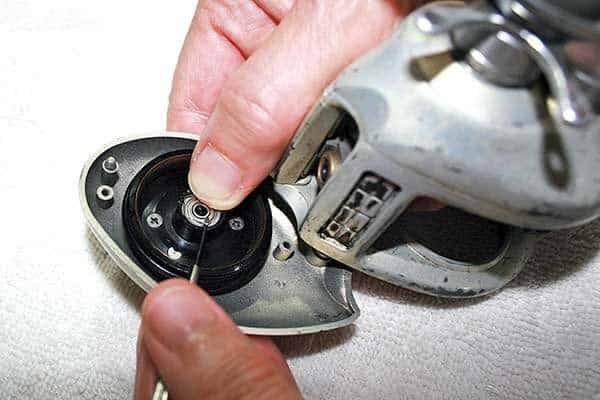
Regular reel maintenance helps keep line flow smooth and reduces unwanted movement.

- ✦ Clean your reel
Remove dirt and debris that can affect spool movement.
- ✦ Check drag settings
A properly adjusted drag helps maintain consistent line control.
A Simple Troubleshooting Process for Any Lure
When dealing with fishing lure spinning during retrieval how to fix issues, test one change at a time. This helps you find the real cause instead of replacing equipment without solving the problem.
Many anglers keep a small checklist in their tackle box because quick adjustments can save a full day on the water.
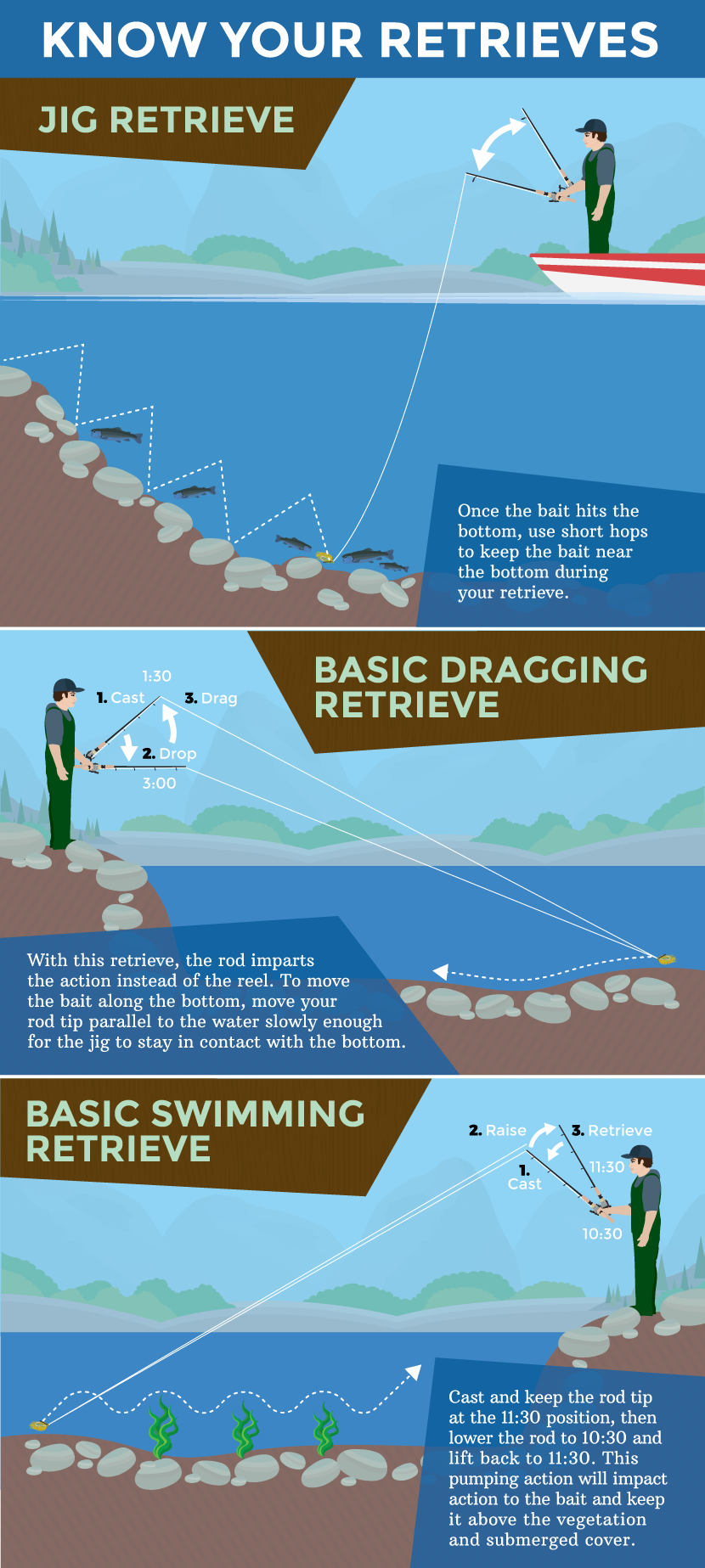
- ✦ Step 1
Remove visible line twists and check the lure connection.
- ✦ Step 2
Slow the retrieve and watch the lure action.
- ✦ Step 3
Change the lure or add a swivel if the problem continues.