Yes — with the right tent, gear, and safety steps, you can sleep in an ice fishing tent overnight.
I’ve spent years on frozen lakes testing tents, heaters, and sleeping systems. This guide explains whether you can sleep in an ice fishing tent, how to do it safely, what gear you need, and practical tips from real experience. Read on to learn the key risks, benefits, and steps to sleep warm and safe on the ice.
Why people choose to sleep in an ice fishing tent
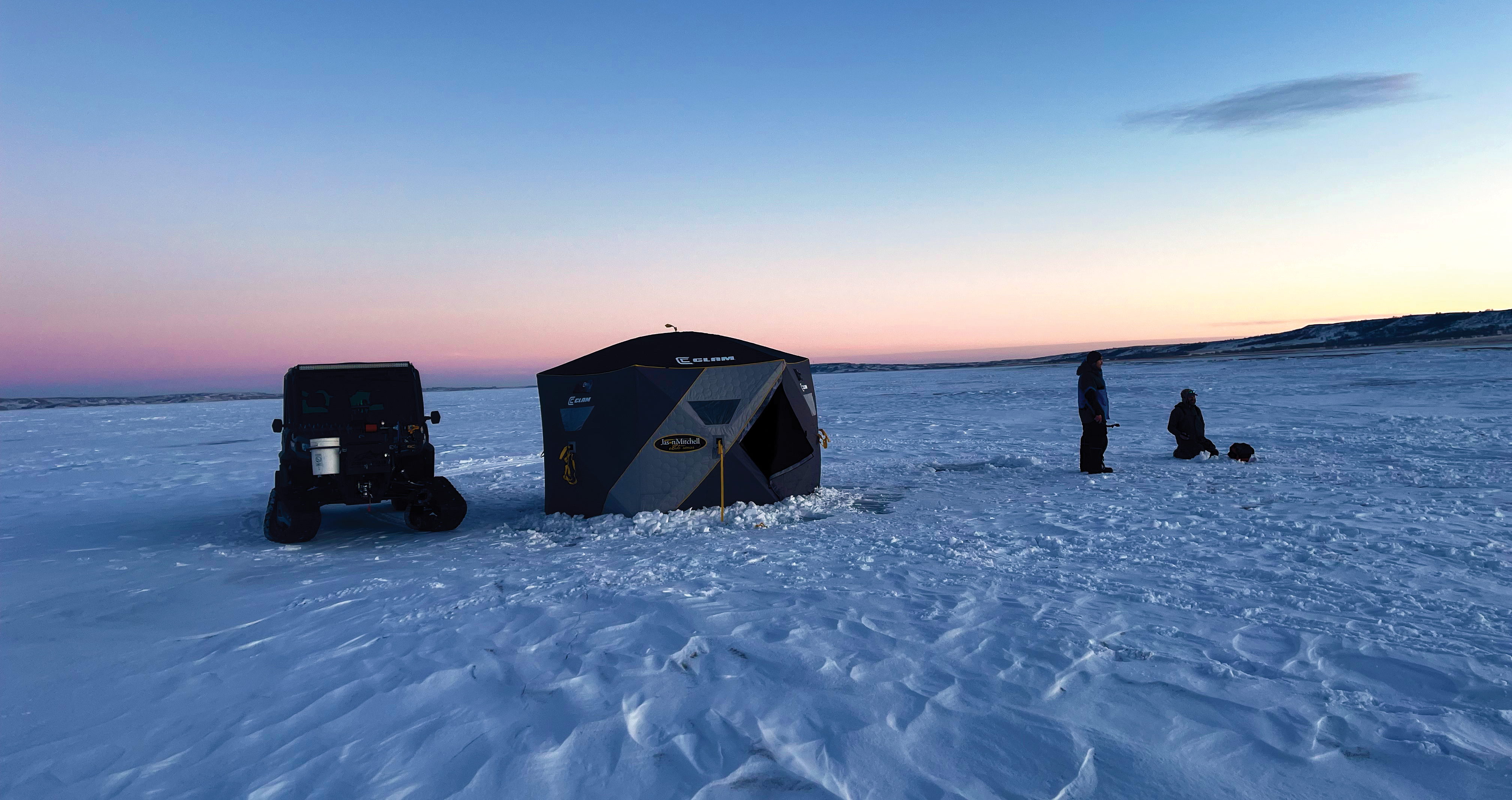
Many anglers and ice campers sleep in an ice fishing tent to extend trips, chase nocturnal bites, or reduce travel time. Sleeping in a shelter keeps your gear dry and lets you rest between sets of lines. If you wonder "can you sleep in an ice fishing tent" the short answer is yes, when you plan properly.
Reasons people sleep in ice tents:
- Shorter travel to good holes, allowing more fishing time.
- Shelter from wind and storms for overnight rest.
- The chance to watch night fish activity and early morning windows.
From my experience, a single well-planned night is often more relaxing than a long day on the ice. The trick is preparation.
Is it safe to sleep in an ice fishing tent?
Safety depends on three things: ice thickness, ventilation, and heat source. You can sleep safely if you verify the ice, manage carbon monoxide risk, and stay warm without trapping moisture. The question "can you sleep in an ice fishing tent" is a safety question first; gear and practice handle the rest.
Key safety checks:
- Ice thickness: At least 4 inches for foot traffic; 8–12 inches for small vehicles. Avoid unknown ice.
- Ventilation: Crack a window or vent to allow fresh air when heating.
- Heat source: Use safe tent-rated heaters and follow manufacturer rules.
I always carry an ice chisel and a pouch thermometer. On one trip, a thin patch forced a quick move. Trust the ice, and don’t push limits.
Choosing the right ice fishing tent for sleeping
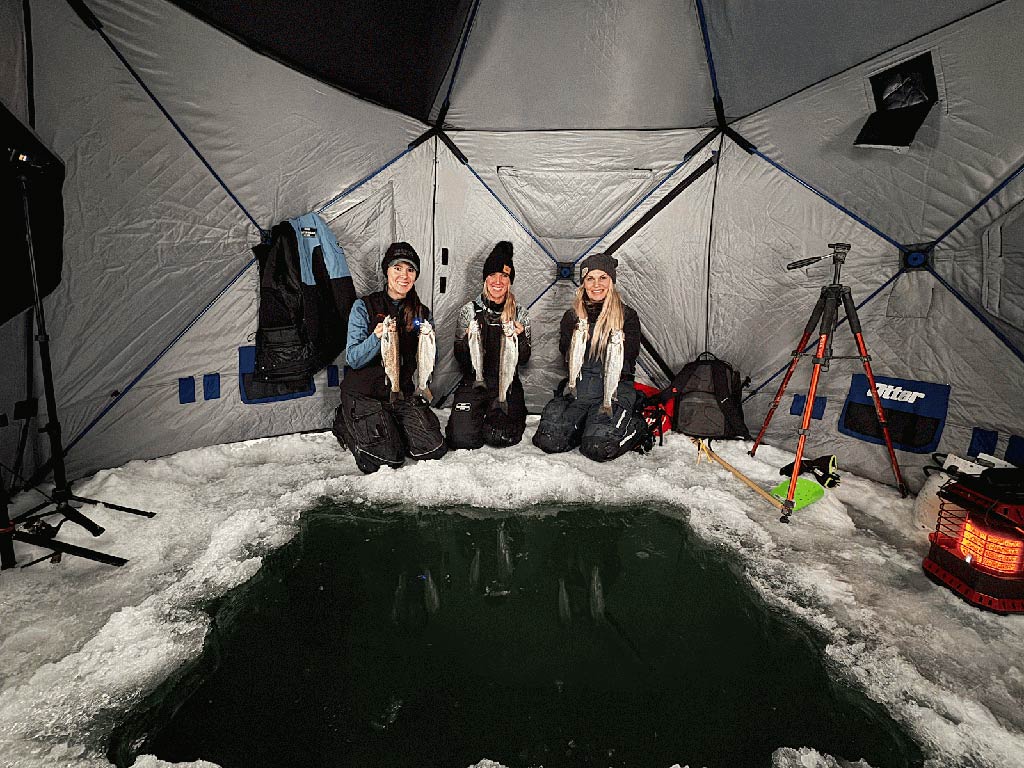
Not every pop-up tent is good for overnight use. Look for size, insulation, stability, and heater compatibility. If you’re asking "can you sleep in an ice fishing tent" choose a tent designed for multi-hour stays.
Features to look for:
- Roomy floor area to fit a cot or pad and gear.
- Stove jack or rated heater opening if you plan to use a propane heater.
- Strong frame and wind resistance for storms.
- Insulation or double-wall design to reduce heat loss.
Types of tents:
- Lightweight pop-up shelters — good for short naps, not ideal for all-night comfort.
- Insulated wheelhouses — larger and better for heater use.
- Cabin-style tents — best for multiple people and overnight stays.
From testing, a mid-size insulated wheelhouse gives the best balance of weight and comfort for an overnight trip.

Sleeping systems and gear for warmth and comfort
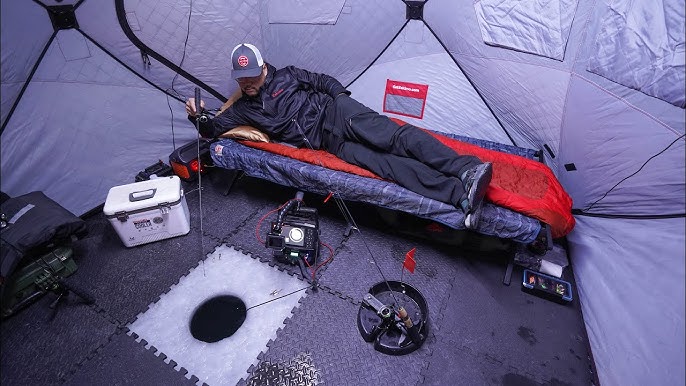
To sleep well you need layers, an insulated sleeping pad, and a sleeping bag rated for cold. The phrase "can you sleep in an ice fishing tent" turns into comfort when you match your kit to conditions.
Essential gear:
- Sleeping bag rated to the expected low temperature.
- Closed-cell foam pad or insulated air pad to block cold from the ice.
- Sleeping bag liner for added warmth.
- Dry clothes and a spare set to sleep in.
- Small pillow or rolled clothes for head support.
Practical packing tips:
- Keep socks and hat dry in a waterproof bag.
- Sleep on a raised cot if possible to avoid direct contact with the floor.
- Use chemical hand warmers if temps drop unexpectedly.
I once underestimated pad insulation and woke cold at 3 a.m. Now I always use a pad rated for the temps I expect.

Heating, ventilation, and carbon monoxide safety
Heating makes sleeping pleasant, but it brings serious risks. You can sleep in an ice fishing tent with a heater, but ventilation and carbon monoxide awareness are critical.
Safe heating rules:
- Use only heaters designed for enclosed spaces and follow instructions.
- Keep heater fuel and tanks outside the tent where recommended.
- Install a carbon monoxide (CO) alarm and check batteries before sleeping.
- Crack vents or a window even in cold weather to allow airflow.
Signs of CO exposure:
- Headache, nausea, dizziness, and confusion.
- If anyone feels off, open the tent and get fresh air immediately.
I always run a battery CO alarm and keep a small fan or vent cracked when the heater runs. That routine removed any worry on my overnight trips.
Practical tips for overnight ice tent camping
Small details make a big difference when you sleep in an ice fishing tent. Plan for comfort, safety, and convenience to answer "can you sleep in an ice fishing tent" with confidence.
Practical advice:
- Check local rules about overnight stays on lakes and ice access.
- Bring extra fuel, matches, and a headlamp with spare batteries.
- Keep a tarp under the tent for extra wind barrier and moisture control.
- Use a shovel to clear snow drift away from vents and doors.
- Anchor the tent with ice anchors or auger screw-ins to resist wind.
Safety extras I carry:
- VHF or mobile phone in a waterproof case.
- First aid kit and a small repair kit for tent poles and fabrics.
- Beacon or whistle for emergencies.
PAA-style quick questions
Q: Will I freeze if I sleep in an ice fishing tent?
A: Not if you have a proper sleeping bag, insulated pad, and a safe heat source. Layering and dry clothes are key.
Q: Can a propane heater be used inside a tent?
A: Yes, but only heaters rated for enclosed spaces and with proper ventilation. Always use a CO alarm.
Q: How thick must ice be to sleep on?
A: Aim for 8–12 inches for small vehicles and at least 4 inches for foot traffic. Check local guidelines.
Frequently Asked Questions about can you sleep in an ice fishing tent
Can you sleep in an ice fishing tent overnight?
Yes. With proper checks for ice thickness, ventilation, and warm sleeping gear, you can sleep safely in an ice fishing tent.
How do I prevent carbon monoxide poisoning in a tent?
Use heaters rated for enclosed use, keep vents open, and run a battery carbon monoxide alarm while heating the tent.
What temperature sleeping bag do I need?
Choose a sleeping bag rated below the expected low. For many ice nights, a 0°F to -10°F bag offers good safety margin when paired with a pad.
Is it legal to camp overnight on frozen lakes?
Laws vary by location. Check local regulations, landowner rules, and fishing license conditions before sleeping on the ice.
Can you sleep with a dog in an ice fishing tent?
Yes, if the dog is acclimated and you account for extra body heat and space. Keep the pet dry and watch for signs of cold stress.
How do I stay dry inside the tent?
Store wet gear outside in a sealed bag, ventilate to reduce condensation, and use a ground tarp to block moisture from below.
Conclusion
Sleeping in an ice fishing tent is doable, rewarding, and safe when you plan with ice checks, ventilation, proper heating, and the right sleep system. Start small with one overnight trip, test your gear in mild weather, and always bring safety tools like a CO alarm, ice chisel, and communication device. Try these tips on your next trip, share your experiences, and subscribe or comment below to learn more about safe ice camping and sleep systems.