Fishing leader getting damaged by structure how to prevent is a common problem for anglers who fish near rocks, bridges, docks, reefs, and heavy cover. A leader protects your main line, but it also takes the most abuse when a fish pulls through rough areas.
After years of fishing around cover, one lesson stands out: most leader failures happen before the hookset. Small nicks from rocks, barnacles, wood, or metal can weaken a leader long before an angler notices. The best approach is prevention, regular checks, and choosing the right leader material for the area.
Why Fishing Leaders Get Damaged Around Structure
Fishing structure creates extra risks because it puts your leader in contact with hard and rough surfaces. Rocks, shells, pilings, and submerged trees can scrape the outer layer of your leader during a fight.
Fishing leader getting damaged by structure how to prevent starts with understanding what causes the damage. Most failures come from abrasion, sharp edges, repeated rubbing, and sudden pressure when a hooked fish changes direction.
- ✦ Rock and reef abrasion
Sharp rocks and coral-like surfaces can cut small grooves into leader material during casts and fish fights.
- ✦ Dock and bridge hazards
Wood, concrete, and metal structures can create rough contact points that weaken leaders.
- ✦ Submerged vegetation
Grass, roots, and branches may not look dangerous but can create repeated friction.
How Small Damage Becomes a Big Failure
A leader does not need to look broken to be unsafe. A tiny rough spot can reduce strength when a large fish pulls hard.
Many anglers lose fish because they test the leader only after a break happens. A quick finger check before the next cast can prevent many lost catches.
- ✦ Feel for rough spots
Run your fingers along the final section of leader to find cuts or weak areas.
Choose the Right Leader Material for Structure Fishing
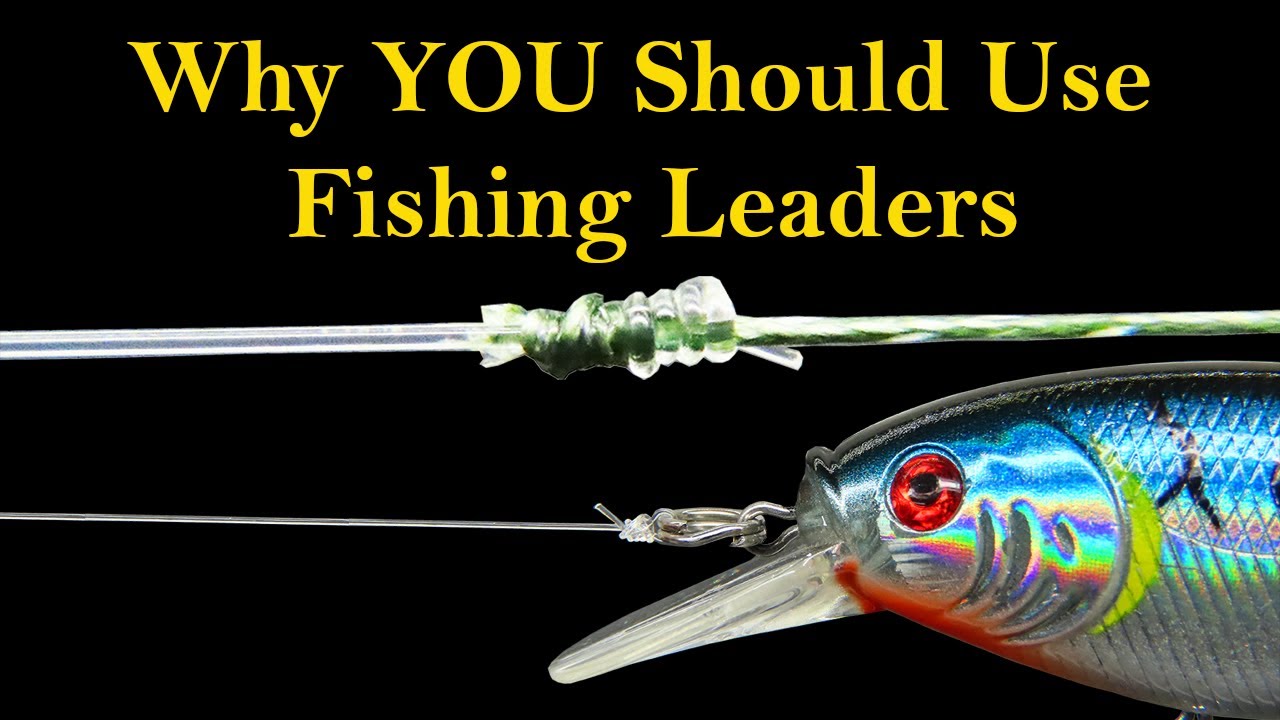
The right leader material is one of the strongest defenses against damage. Different fishing environments require different levels of abrasion resistance.
Fluorocarbon is popular for many structure situations because it handles rubbing well and is less visible underwater. Heavy monofilament can also work when flexibility and shock absorption matter.

- ✦ Fluorocarbon leaders
A good option for anglers targeting fish near rocks, docks, and clear water structure.
- ✦ Heavy monofilament leaders
Useful when you need stretch, toughness, and a forgiving connection.
- ✦ Wire leaders
Helpful when toothy fish are the main threat, though they are less flexible.
Match Leader Strength to the Environment
A light leader may work in open water but fail quickly around sharp cover. Structure fishing often requires a stronger leader than normal conditions.
The goal is balance. A leader should be strong enough for the cover while still allowing natural bait movement.
- ✦ Heavy cover needs strength
Increase leader strength when fishing near sharp or dense structure.
Use Proper Rigging Techniques to Reduce Leader Damage
Good rigging helps keep your leader away from the worst parts of structure. Small changes in leader length and terminal tackle can make a major difference.
Fishing leader getting damaged by structure how to prevent often comes down to controlling where your line travels. A smart rig keeps the leader moving above or around hazards instead of dragging through them.
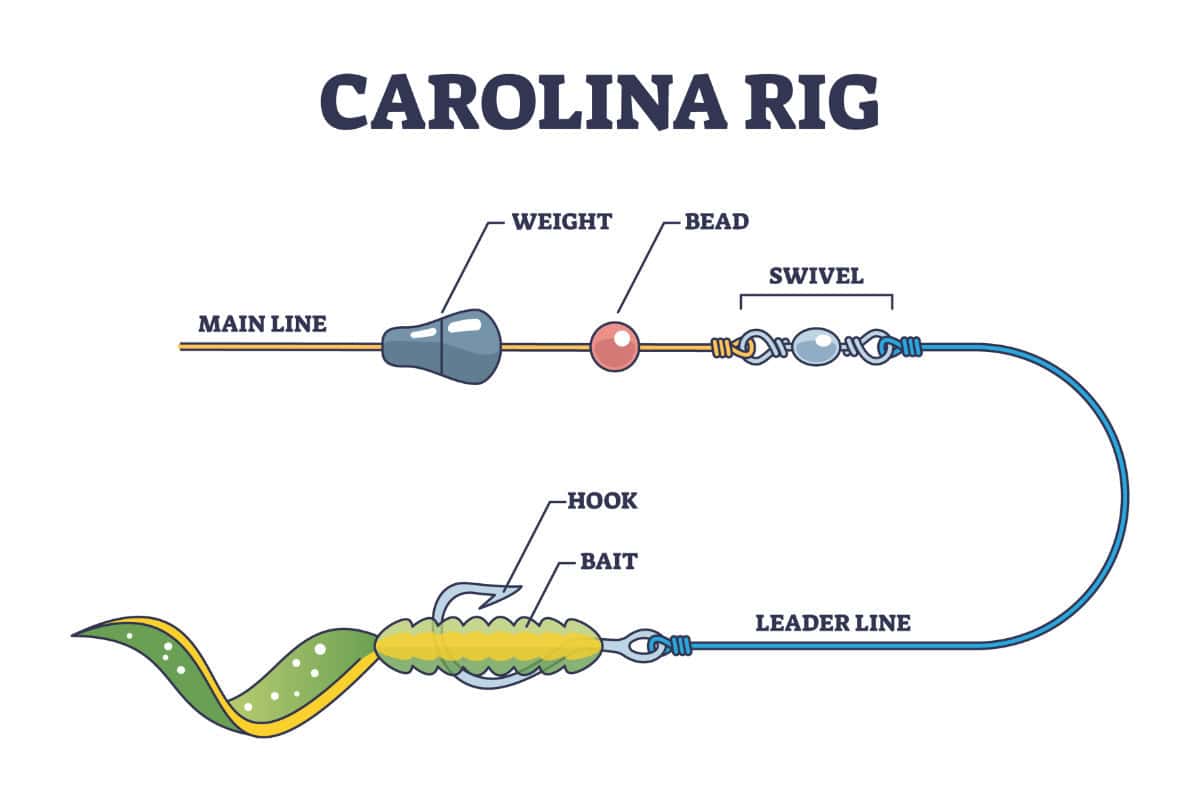
- ✦ Use abrasion-resistant knots
Strong knots reduce weak points between your main line and leader.
- ✦ Adjust leader length
A longer leader can help in some situations, while a shorter leader may reduce contact in heavy cover.
- ✦ Protect connection points
Swivels, clips, and knots should be checked because they also experience stress.
Avoid Dragging Your Leader Through Cover
Many anglers focus only on fighting the fish and forget that the leader may be scraping the bottom. Keep steady pressure and guide fish away from dangerous areas when possible.
Boat position, casting angle, and retrieve speed all affect how much contact your leader receives.
- ✦ Control your angle
Cast and retrieve in ways that reduce direct contact with sharp structure.
Inspect and Replace Leaders Before They Fail
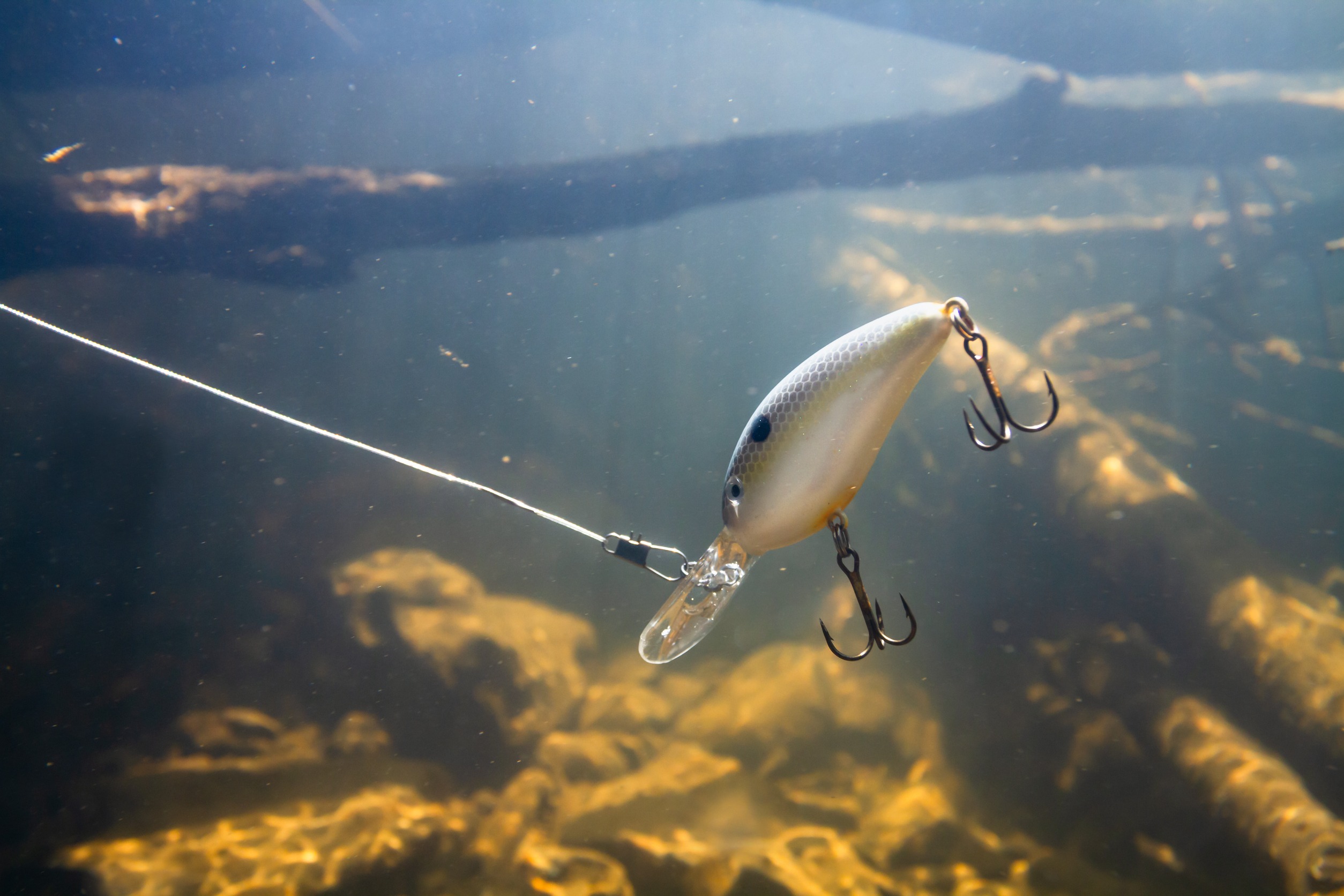
Regular inspection is one of the easiest ways to solve fishing leader getting damaged by structure how to prevent. A few seconds of checking your leader can save an entire day of fishing.
Inspect the section closest to the hook, lure, or bait because that area receives the most contact. Replace the leader when you find cuts, flat spots, discoloration, or rough texture.
- ✦ Check after every fish
Large fish often pull leaders into areas that cause hidden damage.
- ✦ Check after snags
Contact with rocks or wood during a snag can weaken the leader.
- ✦ Replace damaged sections
Cut away damaged line and reconnect a fresh leader instead of risking a break.
Simple Leader Inspection Method
Run the leader between your fingers and look closely under good light. A damaged leader often feels rough before it visibly breaks.
Developing this habit makes fishing safer and more efficient because you spend less time losing tackle.
- ✦ Touch test
Use your fingertips to detect small cuts and weak spots.
Structure Fishing Tips for Different Environments
Each type of structure creates different leader problems. A reef, dock, river log, or bridge piling may require a different approach.
Understanding the environment helps anglers prevent unnecessary damage and choose better gear before the first cast.
- ✦ Rocky shorelines
Use abrasion-resistant leaders and avoid allowing fish to pull line across sharp edges.
- ✦ Docks and piers
Watch for barnacles, bolts, and rough surfaces that can cut leaders.
- ✦ River cover
Use strong leaders when fishing around logs, roots, and submerged branches.
Saltwater Versus Freshwater Structure
Saltwater anglers often face stronger abrasion from shells, coral, and barnacles. Freshwater anglers usually deal more with wood, rocks, and vegetation.
Both environments require the same basic strategy: choose durable materials, inspect often, and avoid unnecessary contact.
- ✦ Saltwater care
Rinse equipment after use because salt can weaken components over time.
Common Mistakes That Cause Leader Damage
Many leader problems come from small mistakes rather than bad equipment. Learning what to avoid can improve your success quickly.
Fishing leader getting damaged by structure how to prevent requires good habits every time you fish near cover.

- ✦ Using a leader that is too light
Light leaders may fail when exposed to sharp structure and heavy pressure.
- ✦ Ignoring old leaders
Leaders can weaken from use, sunlight, and repeated stress.
- ✦ Fishing without checking knots
A strong leader still fails if the connection point is damaged.
Build Better Fishing Habits
Successful anglers treat leader checks as part of the fishing routine. It takes little time and prevents frustrating losses.
Small preparation steps often create the biggest improvements when fishing difficult structure.
- ✦ Create a routine
Inspect leaders before trips and after any hard contact with cover.