Fishing line slipping through knots how to troubleshoot is a common problem for anglers across the United States. A knot may look perfect on the dock but fail when a fish pulls hard. This usually happens because the knot was not matched to the line or was not tightened correctly.
After years of tying knots for freshwater and saltwater fishing, I have learned that small details matter. Wetting the line, pulling each tag end slowly, and checking for heat damage can make a big difference. A few extra seconds before casting can save a full day of fishing.
Why Fishing Line Knots Slip Instead of Holding Tight
When learning fishing line slipping through knots how to troubleshoot, the first step is finding the reason behind the failure. Knots fail because the line moves inside the knot instead of locking into place.
Different fishing lines behave in different ways. Monofilament stretches and can hold many knots well, while braided line is smooth and may need extra wraps or a different knot style.

- ✦ Wrong knot for the line
Some knots work well with monofilament but slip easily with slick braided line.
- ✦ Loose knot wraps
Loose turns create gaps where the fishing line can slide during pressure.
- ✦ Damaged fishing line
Old, rough, or weakened line may break or fail even when the knot is tied correctly.
How line material changes knot performance
Braided line has very little stretch and a smooth surface. Because of this, many anglers use knots with more wraps to create extra grip. Fluorocarbon can also be stiff, which means careful tightening is important.
- ✦ Monofilament
Usually grips well but can weaken from age, sunlight, and repeated use.
- ✦ Braided line
Often needs stronger friction from additional wraps.
Common Mistakes That Cause Fishing Knots to Slip
Many knot problems come from simple mistakes. Fishing line slipping through knots how to troubleshoot becomes easier when you know what signs to watch for.
A knot should tighten smoothly. If it bunches up, twists, or leaves loose loops, it may not hold under pressure.
- ✦ Not wetting the line
Friction can create heat when tightening dry line, which may weaken the material.
- ✦ Pulling too quickly
Fast tightening can create uneven pressure and leave weak spots.
- ✦ Leaving a short tag end
A very short tag end can pull back through the knot during a hard fight.
How to inspect a slipping knot
Look for flattened areas, crossed wraps, and loose loops. A good knot should look clean and compact without line crossing over itself in the wrong places.
- ✦ Visual check
Inspect the knot before every trip and after catching strong fish.
Step-by-Step Fix for Fishing Line Slipping Through Knots
The most reliable solution for fishing line slipping through knots how to troubleshoot is to remove the weak knot and start again. Trying to repair a damaged knot often wastes time.
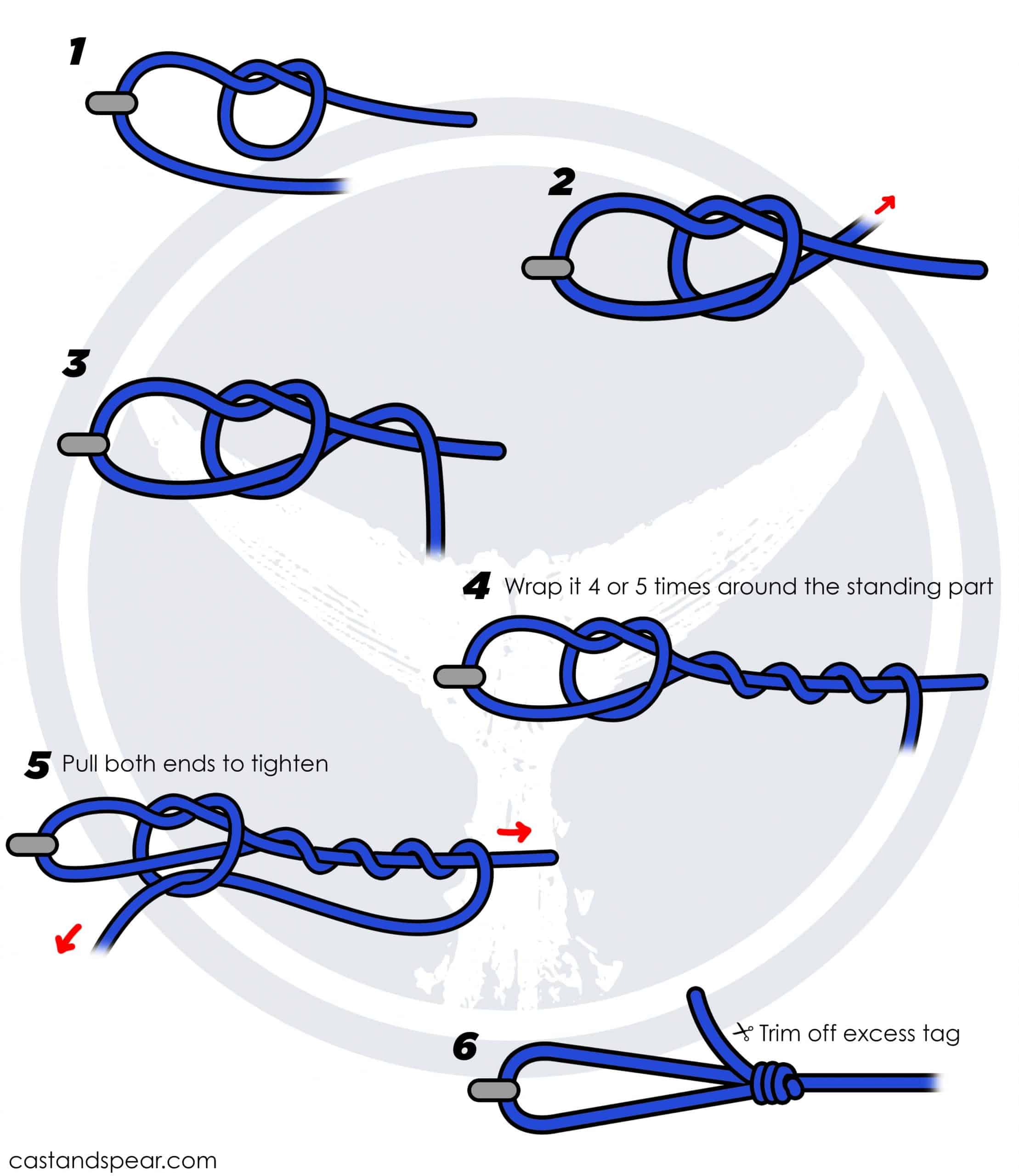
Choose a knot designed for your line type. Popular options include the improved clinch knot, Palomar knot, and non-slip loop knot.
- ✦ Cut away the failed knot
Remove damaged line until you reach clean, strong material.
- ✦ Tie slowly
Make every wrap neat and keep tension steady.
- ✦ Test before fishing
Pull the connection firmly by hand before casting.
Improving knot strength
A strong knot is not only about the knot name. Proper tying technique matters. Keep wraps aligned, lubricate the line, and tighten gradually from both ends.
- ✦ Use enough wraps
Extra wraps can improve grip on smooth fishing lines.
How to Prevent Fishing Knots From Slipping in the Future
Preventing problems is easier than fixing them beside the water. Fishing line slipping through knots how to troubleshoot includes building good habits before every trip.
Experienced anglers check their knots often, especially after catching fish, snagging rocks, or fighting heavy cover.
- ✦ Retie often
Fresh knots are usually stronger than old knots exposed to stress.
- ✦ Store line properly
Keep reels away from extreme heat and direct sunlight when possible.
- ✦ Practice at home
Regular practice helps create consistent knots.
When to replace fishing line
Replace line when it shows cracks, rough spots, heavy memory, or repeated failures. A perfect knot cannot save worn-out line.
- ✦ Check damaged sections
Run your fingers along the line to feel for weak areas.
Choosing the Right Knot for Different Fishing Situations
The correct knot depends on your fishing style, line type, and target species. A bass angler using braided line may need a different connection than a trout angler using light monofilament.
Learning several reliable knots gives you more confidence and reduces failures during important moments.

- ✦ Palomar knot
A popular choice for many anglers because it is simple and strong when tied correctly.
- ✦ Improved clinch knot
A traditional knot that works well for many hooks and lures.
- ✦ Non-slip loop knot
Useful when you want a lure to move more freely.
Practice makes reliable knots
The best knot is the one you can tie correctly every time. Practice at home with spare line so you are ready when conditions change on the water.
- ✦ Build confidence
Repeated practice reduces rushed mistakes.