Yes — crickets can be effective live bait for ice fishing under the right conditions.
I’ve spent winters on frozen lakes testing bait and rigs, and I’ll walk you through whether can you use crickets for ice fishing, when they work best, and how to get the most bites. This guide blends hands-on experience, practical tips, and clear steps so you can decide if can you use crickets for ice fishing fits your next ice trip.
Why crickets can work for ice fishing
Crickets are a common bait for warm-weather panfish, and many anglers ask if can you use crickets for ice fishing with the same success. Crickets are lively, small, and give off movement that triggers strikes from curious fish. In cold water, fish slow down, but a bright, active cricket can still attract panfish like bluegill and perch. Understanding how fish feed in winter helps explain when crickets will or will not be effective.

What species take crickets through the ice
Knowing which fish will bite a cricket helps answer can you use crickets for ice fishing in practical terms. Typical species that will take crickets under ice include:
- Bluegill and sunfish, which often prefer small live insects.
- Yellow perch, especially when other food is limited.
- Crappie, though crappie can be pickier and depend on season and water temp.
- Small trout and char may sample crickets near structure or weed edges.
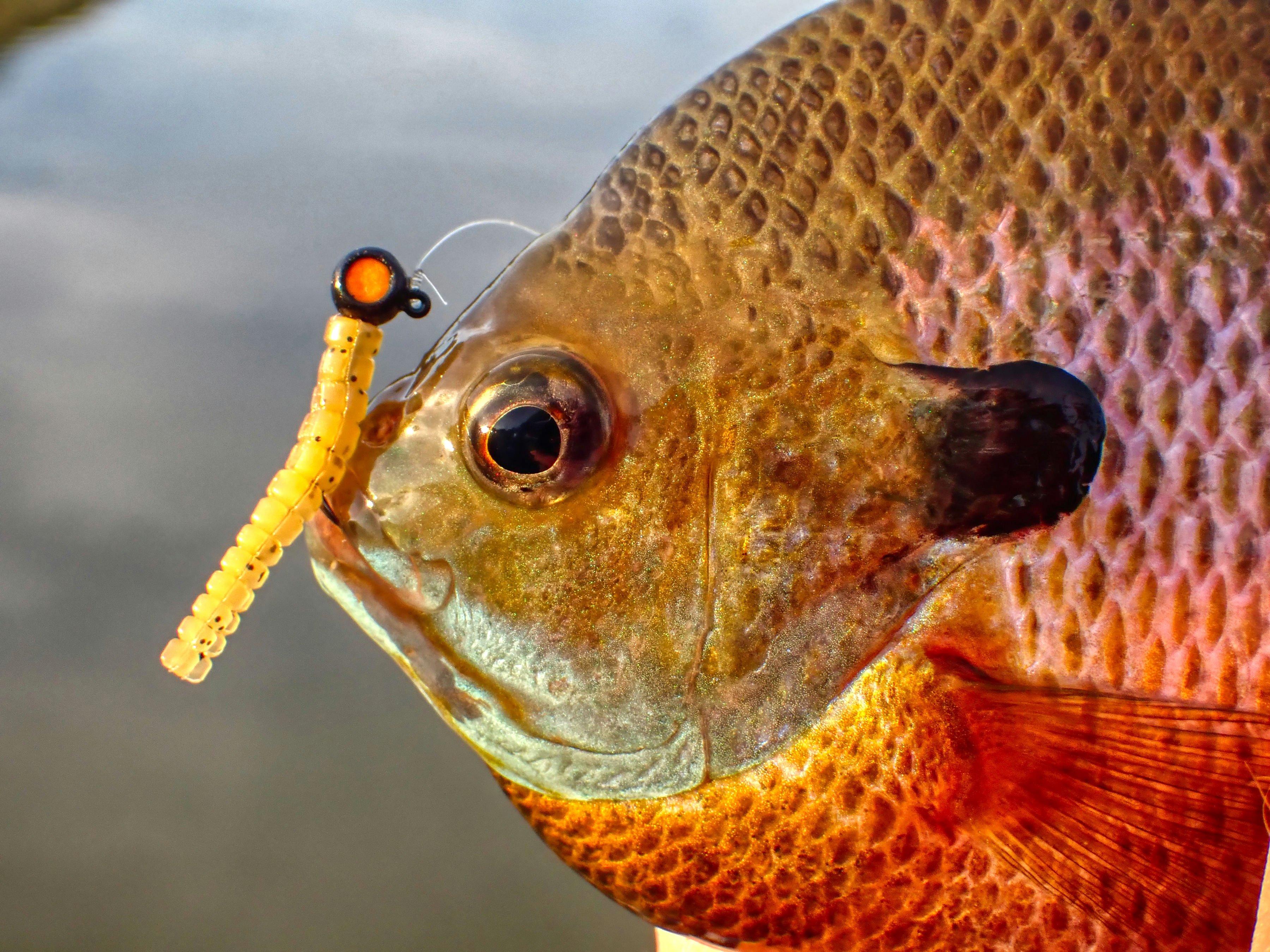
I’ve caught bluegill through thin ice using crickets more than once during late winter; they often ignore artificial jigs but snap at moving live bait.

Best conditions to use crickets for ice fishing
Deciding if can you use crickets for ice fishing depends on conditions. Use crickets when:
- Water is shallow and has visible weed beds where insects are natural prey.
- Fish are still actively feeding; late winter or early season ice often sees more activity.
- Panfish are the target; larger game fish usually prefer minnows or larger baits.
Avoid crickets when water is extremely cold and fish are lethargic, or when baitfish hatches are dominant.

How to rig crickets for ice fishing
Proper rigging improves results and directly affects whether can you use crickets for ice fishing successfully. Simple rigs to try:
- Micro hook on light line: Thread a size 8–14 hook through the body or thorax so the cricket moves naturally.
- Small split shot: Add a tiny weight a few inches above the hook to get the cricket below the hole and keep it in front of suspended fish.
- Slip bobber or peg float: Use for vertical presentation when fish are mid-column.
Tips from the ice: Use light fluorocarbon or mono 2–4 lb test for a natural fall. Keep the hole size just large enough to avoid water currents chilling the bait too fast.

Keeping crickets alive and transporting them on cold days
A key practical issue is logistics when you decide can you use crickets for ice fishing. Crickets are cold-blooded and can die quickly in freezing temps. How to manage them:
- Insulated bait bucket: Use straw or paper towels to insulate and keep crickets at stable temps in a jacket or insulated cooler.
- Hand warmers: Place sealed hand warmers near, but not touching, the container to keep temps just above freezing.
- Rotate bait: Bring several small batches rather than one large supply to reduce loss.
From experience, storing crickets at around 50–60°F works best; temperatures below 40°F reduce activity fast.

Legal, ethical, and environmental considerations
Before you decide can you use crickets for ice fishing, check local rules and act responsibly. Things to consider:
- Regulations: Some areas restrict live bait use to prevent invasive species or disease spread. Always check local fish and wildlife rules.
- Ethical use: Use bait only where it’s legal and dispose of unused bait responsibly.
- Native species impact: Avoid introducing nonnative insects or bait species into lakes that could unbalance the ecosystem.

Pros and cons of using crickets on the ice
Weighing benefits and drawbacks helps you decide if can you use crickets for ice fishing is right for your trip.
Pros
- Natural movement can trigger reaction strikes.
- Readily available and inexpensive.
- Effective for panfish in shallow or vegetated areas.
Cons - Fragile in cold weather and require care to keep alive.
- Less effective for larger species like pike or lake trout.
- Legal restrictions may apply in some areas.

Techniques and presentation tips that worked for me
Practical tweaks make a big difference if can you use crickets for ice fishing. Try these:
- Small twitches and pauses imitate live insect movement.
- Fish slow your presentation in cold water; a slow lift and drop is often better than frantic jigging.
- Change depth frequently; crickets may be more effective near structure or weedlines.
A personal note: once I slowed my rod tip moves and fished crickets within the top 6–8 feet, I doubled my bluegill catch rate on a mid-winter afternoon.

Alternatives to crickets and when to switch
Crickets are not a one-size-fits-all bait. Consider alternatives if can you use crickets for ice fishing isn’t working:
- Waxworms or mealworms for small panfish—often more resilient in cool temps.
- Minnows or small spoons for perch, walleye, and trout.
- Artificial plastics that mimic insect pulses when live bait is unavailable.
Switch when bites are slow or when targeting larger species that ignore insect-sized bait.
Common questions about crickets and ice fishing (PAA-style)
What depth should I fish crickets through the ice?
- Start near weedlines and fish the top 6–12 feet. Adjust depth if fish show at other levels.
Can crickets survive the trip to the lake in winter?
- Yes, with insulation and a warm spot. Use insulated containers and avoid direct cold exposure.
Are crickets better than waxworms for ice fishing?
- They can be, for fish that respond to movement. Waxworms often hold up better in cold.
How long do crickets stay active in cold water?
- Activity drops quickly as temperature falls. Expect reduced movement in very cold water.
Will larger fish take crickets under the ice?
- Rarely; larger species prefer larger baits like minnows or lures.
Frequently Asked Questions of can you use crickets for ice fishing
Can you use crickets for ice fishing in deep water?
Crickets work best in shallower or mid-column water where panfish feed. In deep water, crickets are less visible and less effective than minnows or spoons.
How do you hook a cricket for ice fishing?
Thread the hook through the thorax or back so the cricket can move. Keep the hook size small and let the legs wiggle for a natural presentation.
Will trout eat crickets through the ice?
Some trout, especially small ones, may take crickets near structure. Trout often prefer small baitfish or insects that drift naturally, so success varies.
How many crickets should I bring ice fishing?
Bring several small batches to replace those that die from cold. Plan for at least one dozen per angler for a short session and more if you expect to bait frequently.
Are crickets legal as live bait during ice season?
It depends on local regulations; some regions restrict live bait or require it to be certified. Always check with local authorities before using crickets.
Can crickets be used with tip-ups or just jigging rods?
Crickets are best with jigging rods and small presentations; tip-ups usually use minnows or larger bait that stay put. A very small presentation on a micro-tip-up can work for panfish but is uncommon.
Conclusion
Crickets can be a useful live bait when you want to catch panfish through the ice, but success depends on timing, presentation, and proper care of the bait. If you decide can you use crickets for ice fishing, focus on shallow structure, gentle presentation, and keeping your bait warm. Try them for a few trips, compare them to waxworms and minnows, and adapt based on what the fish prefer.
Takeaway: test crickets in the right spots, prepare them for cold, and be ready to switch baits if bites slow. Share your results or ask a question below to learn from others and improve your next ice-fishing day.