Knowing how to identify spawning areas helps anglers, pond owners, and wildlife watchers understand where fish gather to reproduce. In many U.S. lakes, rivers, and ponds, spawning zones are often easier to find during spring when water temperatures rise and fish become more active.
From years of studying fishing patterns and aquatic habitats, one lesson stands out: fish do not choose random locations for spawning. They select areas that provide safety, oxygen, proper surfaces for eggs, and protection from strong currents or predators.
The best way to identify spawning areas is to combine observation with knowledge of fish species. Bass, crappie, trout, and other common American fish may use different habitats, but they all respond to environmental signals that guide their breeding behavior.

What Are Spawning Areas and Why Do Fish Need Them?
Spawning areas are specific locations where fish release eggs and sperm to reproduce. These areas give young fish a better chance of survival by providing food sources, shelter, and suitable water conditions.
When learning how to identify spawning areas, it is important to understand that each fish species has its own needs. Some fish prefer gravel beds, while others choose vegetation, sand, rocky edges, or submerged structures.
- ✦ Egg protection
Many spawning areas protect eggs from strong currents, predators, and sudden environmental changes.
- ✦ Young fish survival
Good spawning habitats often provide hiding places and early food sources for newly hatched fish.
Common Spawning Locations
Fish often select areas near shorelines, shallow flats, creek mouths, protected bays, and areas with aquatic plants. These locations usually provide calmer water and better conditions for reproduction.
- ✦ Shallow flats
Warm, shallow zones are common spawning locations for many freshwater species.
How Water Conditions Reveal Spawning Areas
Water conditions are one of the strongest clues when learning how to identify spawning areas. Fish often move toward locations where temperature, oxygen, and water quality support successful reproduction.
In many parts of the United States, spring warming triggers spawning activity. Rising water temperatures encourage fish to leave deeper winter areas and move toward breeding zones.
- ✦ Water temperature
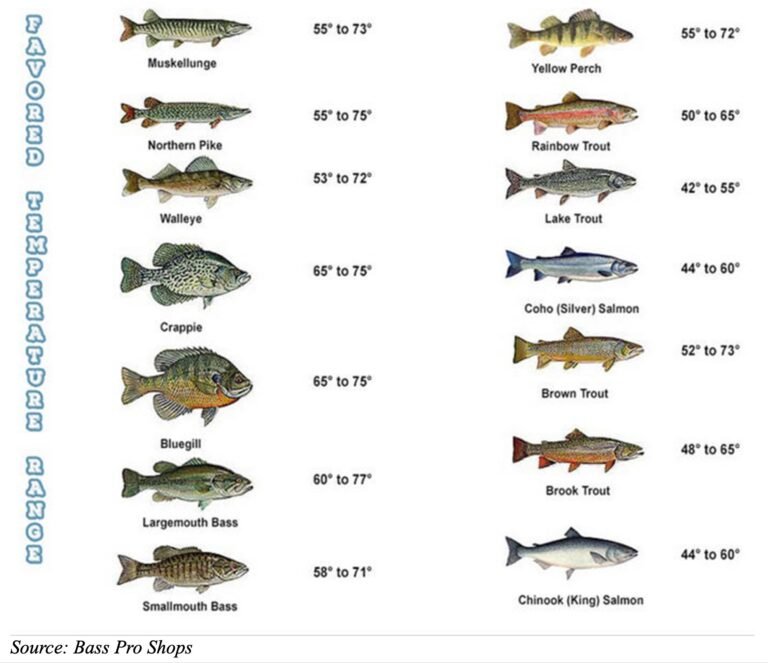
Many fish species begin spawning when water reaches their preferred temperature range.
- ✦ Clear water
Some species prefer cleaner water because it helps protect eggs and allows proper development.
- ✦ Oxygen levels
Well-oxygenated water improves egg survival and supports active breeding fish.
Signs That Help You Identify Active Spawning Areas
The easiest way to identify spawning areas is to watch for changes in fish behavior. Fish become more visible, territorial, and focused on specific locations during breeding periods.
Experienced anglers often look for repeated fish movement patterns instead of relying on one single sign. Combining several clues creates a much clearer picture.

- ✦ Visible fish activity
Fish moving repeatedly in shallow areas may indicate nearby spawning activity.
- ✦ Nesting behavior
Some species create visible beds or cleared areas where eggs are placed.
- ✦ Aggressive behavior
Male fish may defend breeding locations from other fish.
Using Fish Beds as Clues
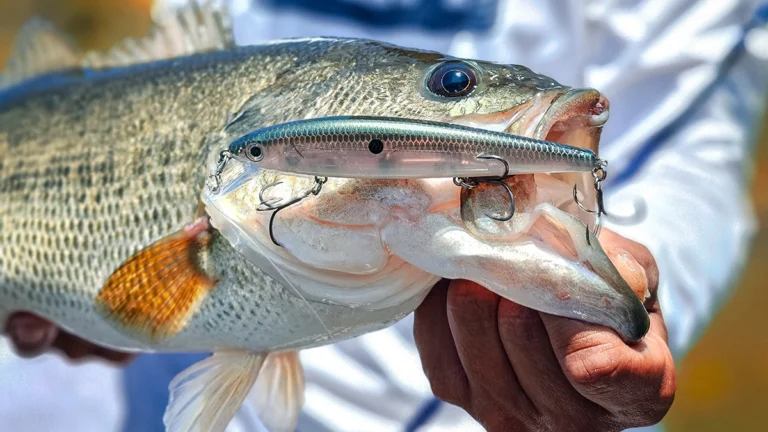
For species such as largemouth bass, anglers often find spawning beds in shallow water with firm bottoms. These circular areas can sometimes be seen from the shoreline or a boat on calm days.
- ✦ Look for cleaned surfaces
Fish may remove debris from areas where they prepare spawning sites.
Habitat Features That Attract Spawning Fish
Habitat structure plays a major role when trying to identify spawning areas. Fish select locations that improve egg survival and provide protection from threats.
A good spawning location often includes a combination of bottom type, cover, and water movement. Small changes in habitat can completely change where fish choose to breed.
- ✦ Gravel bottoms
Many fish use gravel because water can flow around eggs while reducing sediment buildup.
- ✦ Aquatic vegetation
Plants provide cover and support for eggs and young fish.
- ✦ Protected shorelines
Quiet areas reduce stress from waves and strong currents.
How Seasons Affect Spawning Locations
Seasonal timing is critical when learning how to identify spawning areas. Fish usually spawn when environmental conditions increase the chances of offspring survival.
In the U.S., spring is the most recognized spawning season for many freshwater fish, but exact timing changes by region, species, and weather patterns.
- ✦ Spring warming
Increasing temperatures often trigger movement toward spawning habitats.
- ✦ Rain events
Rain can raise water levels and create new access routes to spawning areas.
Regional Differences in the United States
Fish may spawn earlier in southern states with warmer climates and later in northern states where water remains cold longer. Local knowledge is important when searching for spawning areas.
- ✦ Check local patterns
Regional fishing reports and observations can help identify timing.
Tools That Can Help Find Spawning Areas
Modern tools can make it easier to identify spawning areas, especially in larger lakes and rivers. Technology helps reveal underwater structures that are difficult to see from the surface.
However, tools work best when combined with knowledge of fish behavior. Equipment can show habitat, but observation explains why fish choose that location.
- ✦ Fish finders
Sonar devices can reveal bottom changes and underwater structures.
- ✦ Maps
Depth maps help locate shallow flats, channels, and protected areas.
- ✦ Polarized glasses
These can improve visibility when searching shallow water.
Frequently Asked Questions about how to identify spawning areas

fishingscouty
Contributor