When anglers search for fishing rod reel seat threads damaged how to fix, they usually have one frustrating problem: the reel will not stay tight. A loose reel seat can ruin a fishing trip because the reel may move, twist, or even separate during a cast or fight with a fish.
From years of handling fishing gear repairs, I have found that many reel seat thread problems come from over-tightening, dirt buildup, corrosion, or normal wear. The good news is that many damaged threads can be repaired at home if the damage is minor.
This guide explains fishing rod reel seat threads damaged how to fix with practical steps. It also covers when repair is possible, when replacement is better, and how to prevent future issues for freshwater and saltwater fishing rods.

Understanding Why Fishing Rod Reel Seat Threads Get Damaged
A fishing rod reel seat uses threaded parts to lock the reel in place. These threads must stay clean and strong because they handle pressure from casting, retrieving, and fighting fish.
When learning fishing rod reel seat threads damaged how to fix, the first step is finding the cause. A correct diagnosis prevents you from damaging the rod further during repair.
- ✦ Over-tightening
Many anglers tighten the reel hood too much. Excess pressure can flatten or strip the thread surface over time.
- ✦ Dirt and salt buildup
Sand, salt, and debris can block the thread path and cause uneven pressure when the reel seat is tightened.
- ✦ Aging materials
Plastic and aluminum reel seats can wear after years of use, especially in harsh fishing environments.
Signs Your Reel Seat Threads Are Damaged
Common signs include a reel that keeps moving, a locking hood that slips, or threads that feel rough when turning. You may also notice that the reel seat stops tightening before it grips the reel.
- ✦ Thread slipping
The locking ring turns but does not create pressure on the reel foot.
- ✦ Visible thread wear
Flattened, missing, or uneven thread grooves show physical damage.
Tools Needed to Repair Damaged Reel Seat Threads
Before starting a repair, gather the correct tools. The method depends on whether the threads only need cleaning or require rebuilding.
For small repairs, basic household tools may work. More serious thread damage may need fishing rod repair supplies or replacement reel seat parts.

- ✦ Basic cleaning tools
Use a soft brush, cloth, warm water, and mild soap to remove dirt from the threads.
- ✦ Thread repair tools
A small file, thread tap, or replacement locking nut can help restore damaged areas.
- ✦ Repair materials
Rod epoxy, replacement parts, and protective grease may help complete a long-lasting repair.
Safety Before Starting the Repair
Remove the reel before working on the rod. This gives you a clear view of the reel seat and prevents accidental damage to the reel body.
- ✦ Work slowly
Aggressive filing or cutting can permanently damage the reel seat.
Step-by-Step Guide: Fishing Rod Reel Seat Threads Damaged How to Fix
The repair process starts with inspection. Check the threads carefully and decide if they are dirty, slightly damaged, or completely stripped.
If you are searching for fishing rod reel seat threads damaged how to fix, follow these steps to handle common problems safely.

- ✦ Step 1: Clean the threads
Remove dirt, salt, and old grease from the thread grooves using a soft brush and cleaning solution.
- ✦ Step 2: Inspect the damage
Look for missing grooves, cracks, or flattened sections that stop the locking ring from working.
- ✦ Step 3: Repair minor damage
Carefully smooth small rough areas with a fine tool without removing too much material.
- ✦ Step 4: Test the reel fit
Attach the reel and check if the locking system holds firmly without excessive force.
How to Fix Slightly Stripped Reel Seat Threads
Minor thread damage can sometimes be fixed by carefully cleaning and restoring the thread shape. The goal is to help the locking ring move smoothly again.
Avoid using heavy force because damaged threads can become worse. If the thread cannot hold pressure, replacement is usually the safer option.
- ✦ Use gentle adjustments
Small corrections are better than aggressive repairs that remove too much material.
When You Should Replace the Reel Seat Instead of Repairing It
Not every damaged reel seat can be saved. If the threads are completely stripped or the reel seat body is cracked, replacement is usually the correct solution.
A replacement reel seat restores strength and gives your rod a more reliable connection. This is especially important for anglers who target larger fish.

- ✦ Completely stripped threads
The locking ring cannot grip because the thread grooves are no longer functional.
- ✦ Cracked reel seat body
A cracked seat may fail under pressure even if the threads appear usable.
- ✦ Repeated loosening
If repairs only last a short time, replacement saves effort and prevents future problems.
Replacing a Damaged Reel Seat
Replacing a reel seat requires removing the old seat, preparing the rod blank, and installing a new compatible seat with epoxy. Many anglers choose a professional rod builder for this repair because alignment is important.
- ✦ Choose the correct size
The new reel seat must match the rod blank and reel style.
How to Prevent Fishing Rod Reel Seat Thread Damage
Preventing damage is easier than repairing a broken reel seat. Simple maintenance habits can extend the life of your fishing rod for many seasons.
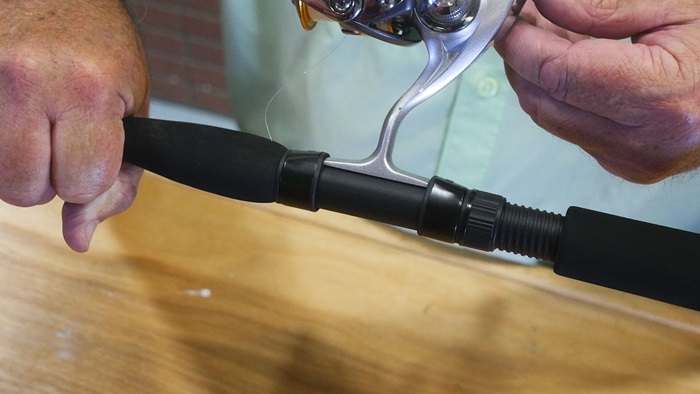
Many experienced anglers clean their gear after every trip, especially after saltwater fishing. This small habit protects threads from corrosion and buildup.
- ✦ Do not over-tighten
Tighten the reel seat until secure, then stop. Extra force does not create a better connection.
- ✦ Clean after fishing
Rinse saltwater equipment with fresh water and remove debris from threaded areas.
- ✦ Use proper lubrication
A small amount of reel seat-safe grease can help threads move smoothly.
Maintenance Tips for US Anglers
Anglers across the United States fish in many conditions, from Florida saltwater flats to northern freshwater lakes. Matching maintenance habits to your environment helps prevent reel seat problems.
- ✦ Saltwater care
Rinse rods after ocean trips because salt speeds up corrosion.
Frequently Asked Questions about fishing rod reel seat threads damaged how to fix

fishingscouty
Contributor