Yes — a regular fish finder can work for ice fishing, but with limits and tweaks.
I’ve guided anglers and tested units on frozen lakes for years, so I know what works. This article answers can you use a regular fish finder for ice fishing with clear steps, real tests, and smart tips. You’ll learn when a regular fish finder is fine, when you need ice-specific gear, how to mount transducers through the ice, and how to read sonar in cold water. Read on for practical advice you can use on your next ice outing.
How fish finders work — the basics you need to know
A fish finder sends sound pulses into water. The transducer sends and receives echoes. The unit translates echoes into depth, structure, and targets. Frequency, beam angle, and power shape the view you get. Low frequency gives depth but less detail. High frequency gives detail but less range. Knowing this helps answer can you use a regular fish finder for ice fishing.

Key differences: regular fish finders vs ice-specific units
Regular units are made for boats and moving water. Ice units are built for cold, static installs. Here are core differences:
- Mount and transducer design: Ice units often use through-ice poles or external mounts. Regular units expect hull or trolling mounts.
- Power and range: Boat units may have higher power but need the right transducer. Ice units tune for short ranges.
- Temperature tolerance: Electronics can behave differently in cold. Ice units often have cold-rated screens and enclosures.
- Display features: Ice displays sometimes include dedicated flasher modes for single-spot jigging.
These differences shape whether can you use a regular fish finder for ice fishing successfully.

Can you use a regular fish finder for ice fishing? Practical verdict
Yes, you can use a regular fish finder for ice fishing in many cases. The trick is to match the transducer, frequency, and setup to ice conditions. If your regular unit supports 200–455 kHz and a narrow beam transducer, it will show fish near your hole. If it has a flasher or sonar history mode, you can jig on targets. But you may miss the extra convenience of an ice-specific flasher or a mount built for through-ice work.
When you plan trips, ask: how deep is the water? How clear is the water? Do I need side-scan? The answers tell you whether your regular unit will be enough. I recommend testing at home first. Put your transducer in a bucket, run the unit, and check response. This simple test helps confirm that can you use a regular fish finder for ice fishing before you head out.
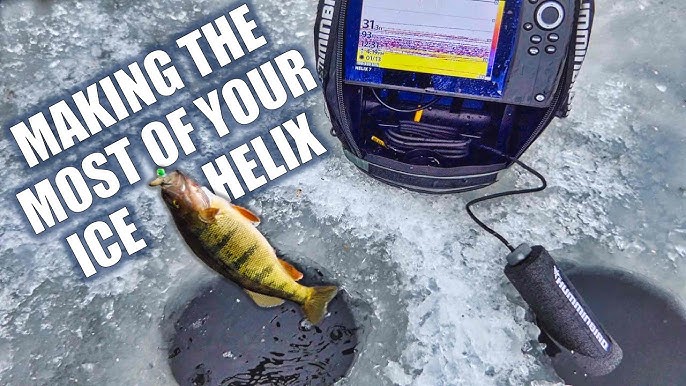
Transducer choices and mounting for ice
The transducer makes the biggest difference. Use these options:
- Through-ice pole: A short pole with the transducer in a cup. Works well and isolates from ice.
- Suction-cup mount: For slush-free holes and quick swaps.
- Transom or portable mount: Not ideal on ice but workable if secured.
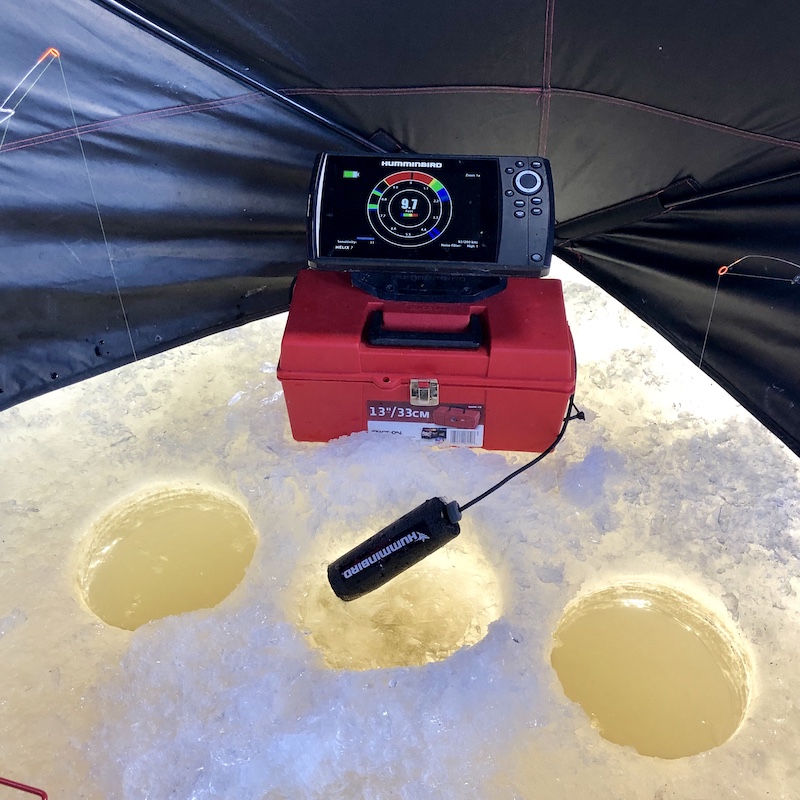
- Handheld or castable transducers: Some anglers lower a castable transducer into the hole.
Choose beam angle by depth:
- Shallow (under 30 feet): Use higher frequency, narrow beam for detail.
- Deeper: Use lower frequency or dual-frequency modes.
Also insulate the transducer wiring and keep connections dry. Cold can stiffen cables and reduce signal. This knowledge clarifies whether can you use a regular fish finder for ice fishing in your setup.
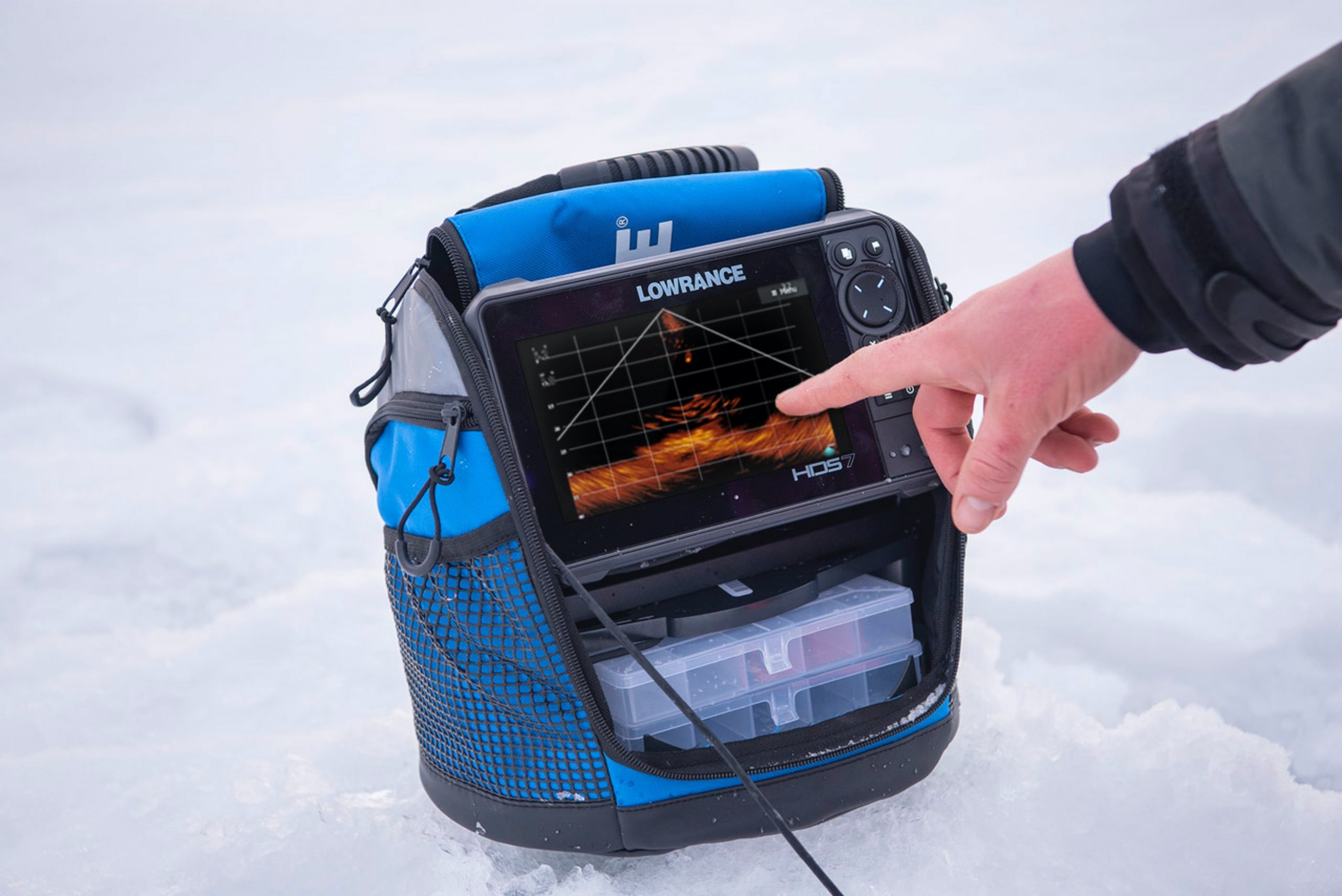
Setup tips and best practices for using a regular unit on ice
A few practical steps save time and catch fish:
- Keep the screen covered between checks to avoid frost damage.
- Warm the unit with your body or inside a bag when not reading it.
- Secure the transducer so it doesn’t touch ice edges.
- Add a small float or rubber gasket under the transducer cup to stop slush.
- Use a flasher or history mode when jigging to detect short bursts.
- Carry spare batteries rated for cold, or use a sealed marine battery.
Follow these steps and you’ll see why can you use a regular fish finder for ice fishing is often a yes.

Limitations and workarounds to expect
A regular fish finder won’t be perfect on ice. Expect these limits:
- Screen glazing or slow scrolling in cold temperatures.
- Less ergonomic mounts for single-hole jigging.
- No built-in ice-flasher mode in some models.
Workarounds:
- Keep the unit warm in an insulated case between checks.
- Use a simple flasher app or alternate display modes.
- Mount a cheap pole or cup to stabilize the transducer.
These simple fixes make a regular unit very usable. Still, be honest about needs. For long sessions, an ice-specific flasher can be faster and more efficient.

Choosing sonar settings for ice fishing
Set your sonar for short range and higher resolution:
- Frequency: Use 200–455 kHz for most ice work.
- Range: Set to 5–40 feet depending on depth.
- Sensitivity: Increase to pick up small arches and bait.
- Cone angle: Narrow cones work for single holes. Wide cones show more structure.
- Filter/noise rejection: Keep it low unless surface noise is present.
These settings help you decide can you use a regular fish finder for ice fishing with confidence.
Personal experience: what I learned on the ice
I’ve used regular boat finders through the ice for years. At first I felt blind. My transducer bumped ice edges. My screen dimmed in cold. After tweaks I caught more fish. I switched to a short pole mount and insulated the wiring. I used higher frequency and small range. Fish showed as clear arches. Once I learned to read short, tight returns, I nailed jigging spots faster.
Lessons:
- Test gear at home.
- Insulate and secure the transducer.
- Use a flasher or history mode for jigging.
- Expect slower battery life.
These calm fixes answer can you use a regular fish finder for ice fishing in real life.
Choosing the right fish finder for winter fishing
If you plan serious ice work, look for:
- Cold-rated electronics and displays.
- Support for 200–455 kHz frequencies.
- Portable or transducer-compatible mounting options.
- Good battery life in low temps.
If you only ice fish occasionally, a regular finder with the right transducer will often do the job. Keep your goals in mind when you ask can you use a regular fish finder for ice fishing.
Frequently Asked Questions of can you use a regular fish finder for ice fishing
Can a boat transducer work in an ice hole?
Yes. Many boat transducers work in an ice hole if mounted correctly. Use a pole or cup to keep it centered and insulated from ice contact.
Will cold damage my fish finder screen?
Cold can slow display response and cause condensation. Keep the unit warm in an insulated bag when not in use to reduce risk.
Do I need a flasher for ice fishing?
No, but a flasher makes jigging easier. Regular sonar in history mode can also show short returns and let you detect strikes.
What frequency is best through ice?
Frequencies between 200 and 455 kHz work best for most ice depths. Higher frequencies show more detail in shallow water.
How do I power my fish finder on the ice?
Use a sealed marine battery or portable power pack rated for cold. Keep batteries insulated and avoid draining them fully.
Can side imaging help while ice fishing?
Side imaging can help map structure, but it’s less useful for single-hole jigging. For scouting, it’s a helpful tool.
Is it safe to lower electronics into the ice hole?
Yes, as long as you seal and dry connections. Keep the unit above the hole when possible and use dry hands or gloves while handling.
Conclusion
A regular fish finder can be a capable tool for ice fishing when you match the transducer, tune settings, and protect the gear from cold. Test your setup at home, use the right frequency and mount, and expect to tweak settings while on the ice. Start simple, learn from each hole, and improve gradually. Try these tips on your next trip and share what you find. Leave a comment, subscribe for more gear tips, or ask a question below.