Choose line, leader, and sinker weights to match fish size, water flow, and casting distance.
I’ve fished for carp for over a decade and helped anglers tune tackle for tight spots and big lakes. This guide explains what weight for carp fishing really means, why it matters, and how to pick the right line, leader, and sinker for different waters and fish sizes. Read on for clear setups, real examples from my trips, and simple rules you can apply on your next session.
Understanding what weight for carp fishing
When anglers ask what weight for carp fishing they usually mean three things: mainline strength, leader or hooklink strength, and sinker or feeder weight. Each of these weights affects cast, presentation, and the carp’s chance to take the bait without feeling resistance. Picking the right balance keeps bites natural and reduces lost fish.
Line, leader, and hooklink strength: core choices
Mainline strength controls breaking strain during a long fight. For small stillwaters or novice anglers, 10 to 15 lb mainline is common. For bigger lakes and strong fights, 15 to 25 lb mainline or braid rated 20 to 40 lb works better.
Hooklink and leader need different thinking. Use lighter hooklinks than mainline for better presentation and hooking. Typical hooklink ranges are 8 to 20 lb, depending on fish size and water clarity. Stronger hooklinks help when weed or silt is present, but very heavy hooklinks can reduce hookups.
Match materials to weight choices. Fluorocarbon hooklinks feel thinner in water and conceal well at 10 to 16 lb. Braided mainline gives sensitivity and cast distance, so pair it with a shock leader or thicker mono to absorb sudden runs.

Sinker and feeder weights: choosing the right mass
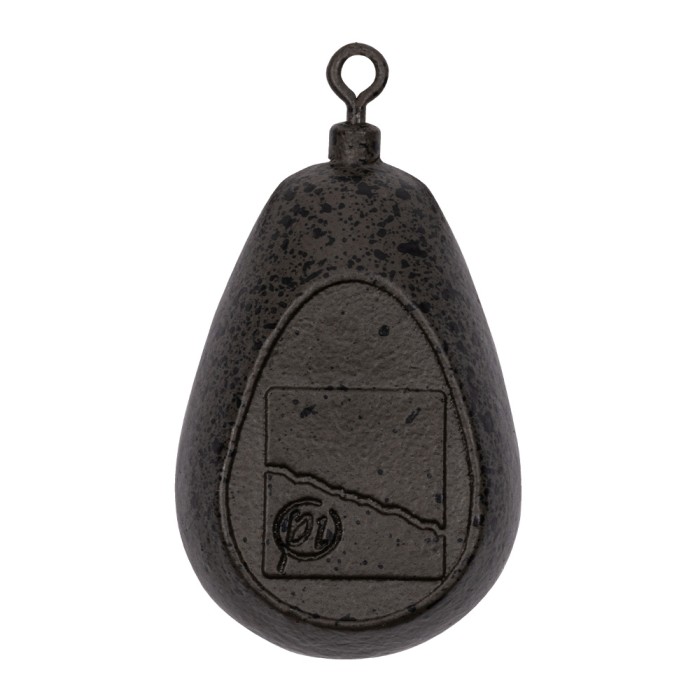
Sinker weight decides how your bait sits and how far you can cast. In calm waters, small method feeders or leads of 20 to 40 g (0.7 to 1.4 oz) give a natural presentation. In windy or flowing water, increase to 60 to 120 g (2 to 4 oz) so the bait stays put.
Float rigs use much lighter split shot. Use tiny shot sizes to balance the float. For ledgering, choose a lead heavy enough to hold bottom but light enough so the carp won’t feel drag when it picks up bait.
Consider distance and structure. Long casts often need heavier feeders. If you fish tight to lilies or weed, use a lighter weight and rely on accurate, short casts.

Rigs and setups that depend on what weight for carp fishing
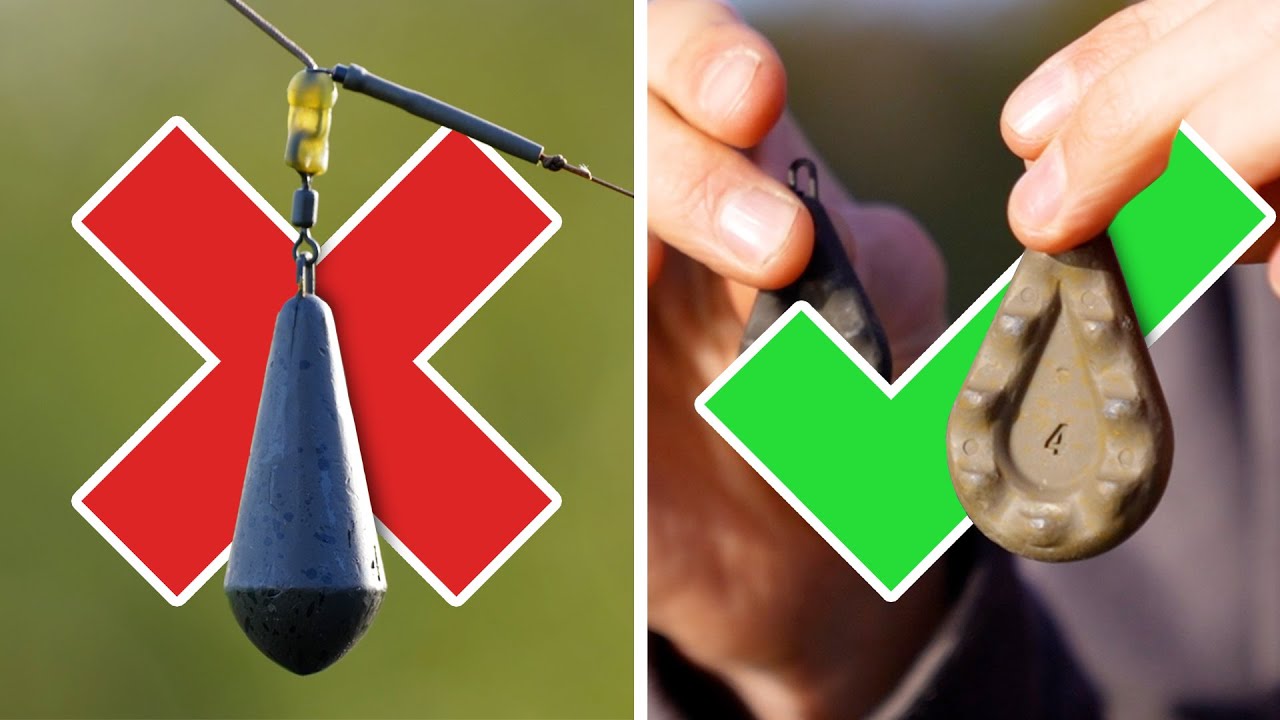
Running ledger rigs let the weight slide on the line so the carp can pick the bait. For running rigs, use a lead that sits on the point of the rig: commonly 40 to 80 g for medium distance. Fixed leads hold the lead next to the hooklink; they need careful weight choice so fish do not feel pressure.
Method feeder setups pair small feeders with light hooklinks. Typical method feeders use 20 to 60 g depending on range. Chod rigs and hinged stiff rigs work well with heavier sinkers when fishing over silt or weed.
Setups to try:
- Running ledger: 15–25 lb mainline, 10–14 lb hooklink, 40–80 g lead
- Method feeder: 12–20 lb mainline, 10–14 lb hooklink, 20–60 g feeder
- Float: 8–12 lb mainline, 6–10 lb hooklink, small shot to balance float

Factors that determine what weight for carp fishing
Water flow and depth change weight needs fast. Fast flow means heavier leads; still water means lighter ones. Depth affects strike detection and cast energy.
Fish size also matters. Targeting 10 lb carp is different than chasing 30 lb specimens. Use stronger mainline and heavier hooklinks for bigger fish, but keep hooklink as light as practical to improve hooking.
Tackle limits and rod action influence choices. Fast rods can handle sudden loads. Light rods give better bite feel but may require lighter terminal tackle.

PAA-style quick questions
What lead weight for carp in still water?
Use light to medium leads. A 20–60 g feeder or 30–80 g lead is common depending on distance and bottom type.
Will heavier hooklink prevent carp from taking the bait?
Heavier hooklink can reduce hookups because carp may feel resistance. Use the lightest workable hooklink for the conditions.
How does current affect what weight for carp fishing?
Stronger current needs heavier sinkers to hold the bait. Also tighten up rig components to avoid movement.
Practical setups and real-life examples
Example 1: Small park pond, short casts, shy carp
- Mainline: 10 lb mono
- Hooklink: 8–10 lb fluorocarbon
- Sinker: 15–30 g feeder or small lead
I used this often with corn and caught several 6–12 lb fish. The light hooklink helped with shy bites.
Example 2: Large lake, medium distance, cleaner gravel
- Mainline: 15–20 lb braid
- Hooklink: 12–14 lb fluoro
- Sinker: 60–80 g method feeder
On windy days I raised sinker weight to 80 g. I landed fish to 28 lb using this set up.
Example 3: River margin with flow and snags
- Mainline: 20–30 lb braid
- Hooklink: 18–25 lb mono
- Sinker: 80–120 g inline lead
I learned to up the leader strength here. I lost fewer fish to snags and the run-stopping power was better.
From my experience, small changes to weight often fix repeat problems. If you miss hookups, trim weight or shorten hooklink. If your bait drifts, add a bit more mass.

Common mistakes and how to avoid them
Choosing unnecessarily heavy hooklinks aiming to stop fish quickly often reduces bites and increases lost fish. Lighter, sharper hooklinks help presentation. Always match hook size and link strength to bait choice.
Using a single rule for every lake is another error. Water, season, and carp behavior change. Test different weights early in the session. Keep spares and tune rigs.
Ignoring the rod and reel capacity creates failures. Don’t force light line on a heavy-action rod. Check reel drag and knot strength before fishing.
Gear checklist for choosing what weight for carp fishing
- Mainline spools in two strengths for lake size
- Assorted hooklinks from 8 to 25 lb
- A range of method feeders and inline leads: 20–120 g
- Split shot and small shots for float balancing
- Spare hooks, swivels, and shock leaders
- Rods with actions matched to target size
This checklist comes from many sessions where quick swaps saved the day. Keep gear organized so you can change weights fast.

Frequently Asked Questions of what weight for carp fishing
What is the best mainline strength for carp?
For most carp fishing start with 12 to 20 lb mainline. Increase to 20–30 lb for big waters or heavy cover.
How heavy should my hooklink be?
Use the lightest hooklink that still resists abrasion. Typical ranges are 8–16 lb for general use, higher for weed or snags.
What feeder weight should I use for long casts?
Use 60–120 g feeders or leads for long casts and windy conditions. Gradually reduce weight as you find the right bite zone.
Does heavier line stop carp from breaking off?
Heavier line reduces break-offs but can make hookups harder. Balance strength and stealth to keep bites common.
Should I change weights by season?
Yes. Winter carp often feed less and react to heavy rigs. Use lighter presentation in cold months and adapt as water warms.
Conclusion
Choosing what weight for carp fishing is about balance. Match mainline, hooklink, and sinker to fish size, water, and presentation so bites stay natural and fights stay winnable. Try the sample setups, test small changes on each session, and keep spares ready. Practice tuning weights and you’ll catch more fish and lose fewer rigs. Share your experiences below, subscribe for more tips, or try one new weight change next time you fish.