In rivers, streams, and moving sections of lakes, water current acts like a natural food conveyor belt. It carries insects, larvae, plankton, small baitfish, and organic matter until these resources collect near rocks, bends, channels, and other underwater features.
Understanding how current concentrates food for fish is one of the most useful skills for anglers in the United States. From trout streams in Montana to bass rivers in the Southeast, fish often position themselves where moving water delivers an easy meal.
Experienced anglers learn that fish do not always sit in the strongest current. They usually choose places where food arrives but where they can rest and spend less energy. This balance between food supply and energy use shapes many feeding patterns.
How water current works as a natural food delivery system
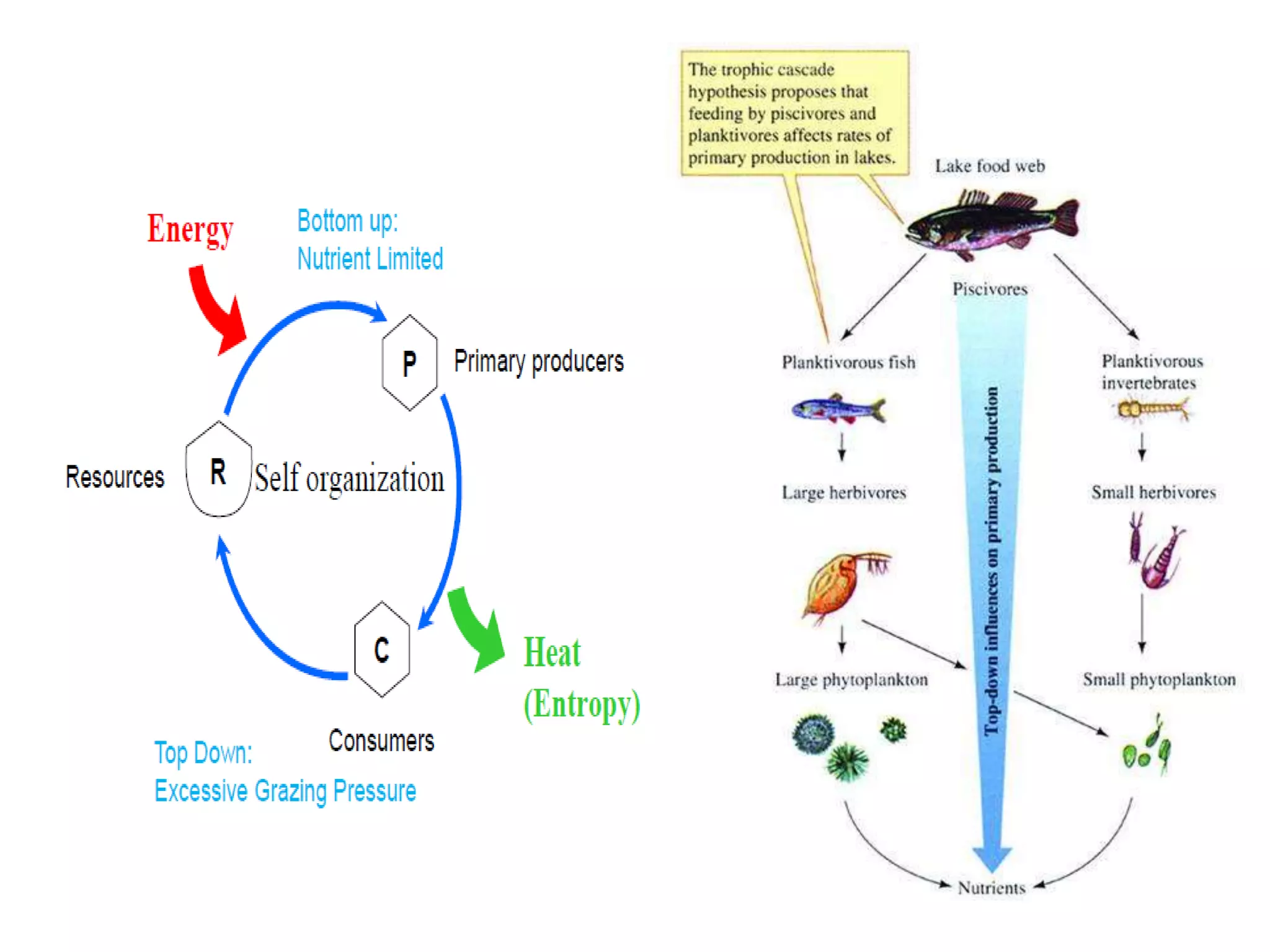
Current constantly moves material through the water. This movement transports food that fish may not find easily in still areas. Tiny insects, plant pieces, eggs, and microorganisms can become available when water flow gathers them together.
The process explains how current concentrates food for fish. Instead of searching across a large area, fish can wait in locations where the current brings food directly to them.
- ✦ Drifting insects
Streams often carry insects and larvae that become important food sources for trout and other species.
- ✦ Moving plankton
Currents can collect microscopic organisms that support small fish and larger predators.
- ✦ Organic material
Leaves and plant matter attract small organisms that create a larger food chain.
Why fish follow moving food
Fish have learned that current areas often provide reliable feeding opportunities. They can save energy by staying in a comfortable position while allowing food to come toward them.
- ✦ Energy savings
Fish reduce effort by letting water movement transport food.
How current creates feeding zones for fish
Current does not spread food evenly. It creates specific areas where material slows down or collects. These locations become natural feeding stations for fish.
When learning how current concentrates food for fish, anglers should look for changes in water speed. Areas where fast water meets slow water often hold more feeding activity.
- ✦ Current seams
A current seam forms where two different water speeds meet. Food often collects along this boundary.
- ✦ River bends
Outside bends can create stronger flow while inside bends may collect drifting material.
- ✦ Structure areas
Rocks, logs, and vegetation interrupt flow and create feeding opportunities.
The role of underwater structure
Structures slow water and create safe resting spots. Fish often hide behind these objects while watching for food carried by the current.
- ✦ Ambush locations
Predatory fish use structure to attack prey moving through current.
Why fish position themselves near current breaks
Strong current requires energy. Fish often avoid wasting energy by staying beside fast water rather than directly inside it.
This explains another part of how current concentrates food for fish. The best feeding spots usually combine food delivery with protection from heavy water flow.
- ✦ Eddies
Small circular currents trap food and give fish a calm place to feed.
- ✦ Slack water
Slow areas near fast current allow fish to rest while catching drifting food.
How anglers use current to find feeding fish
Many successful anglers study current before casting. They search for places where water movement creates natural feeding paths.
Knowing how current concentrates food for fish helps anglers choose better locations instead of randomly covering water.
- ✦ Watch the surface
Floating debris and surface movement can reveal hidden current patterns.
- ✦ Study depth changes
Drop-offs and channels often collect food carried by current.
- ✦ Match natural movement
Lures and bait work better when they move like natural food in current.
How current affects fish feeding in lakes and reservoirs
Current is not limited to rivers. Wind, water releases, and underwater channels can create movement in lakes and reservoirs.
These movements can gather food in certain areas. Understanding how current concentrates food for fish helps anglers find active fish even in large still-water environments.
- ✦ Wind-driven current
Wind pushes surface water and can move plankton and small organisms.
- ✦ Water releases
Dam releases create current that can trigger feeding activity.
How current concentration benefits fish survival
Current-created feeding areas help fish survive because they provide efficient access to food. Fish can spend less energy searching and more time growing and avoiding predators.
The relationship between current and food supply is a key part of aquatic ecosystems. It influences where fish travel, rest, and feed.
- ✦ Better feeding efficiency
Fish use predictable food paths created by water movement.
- ✦ Natural habitat selection
Fish choose areas where food and safety exist together.
Frequently Asked Questions about how current concentrates food for fish

fishingscouty
Contributor