When anglers search for fishing lure running incorrectly how to troubleshoot, they usually notice the same signs: a lure that swims sideways, rolls over, spins in circles, or refuses to dive correctly. These issues are common for both new and experienced anglers across U.S. lakes, rivers, and coastal waters.
After years of testing crankbaits, soft plastics, topwater plugs, and trolling lures, one lesson stands out: most lure problems are simple mechanical issues. A few careful checks can save a favorite lure and improve your time on the water.

Why a Fishing Lure Runs Incorrectly
Understanding the cause is the first step in fishing lure running incorrectly how to troubleshoot. A lure depends on balance, water pressure, and correct movement through the water. If one part changes, the action can change too.
Common problems include a bent line tie, damaged bill, wrong knot placement, poor rigging, or a retrieve speed that does not match the lure design. Even a small bend can make a crankbait pull to one side.
- ✦ Lure balance problem
A lure with uneven weight distribution may roll, spin, or move unpredictably.
- ✦ Hardware damage
Bent hooks, split rings, or damaged lips can affect swimming action.
- ✦ Incorrect setup
The wrong knot, line size, or leader can change how a lure moves.
Signs Your Lure Is Not Running Correctly
Watch how the lure behaves during a slow retrieve. A healthy lure should track straight, create its designed vibration, and move naturally without sudden rolling.
- ✦ Side tracking
The lure constantly pulls left or right instead of staying straight.
- ✦ Spinning action
The lure rotates around the line instead of swimming forward.
Inspect and Tune the Lure Before Changing Gear
A careful inspection is the fastest step in fishing lure running incorrectly how to troubleshoot. Start by checking the lure body, hooks, split rings, and line attachment point for visible damage.
Many hard lures can be tuned with small adjustments. Move slowly and test after each change because a tiny adjustment can create a large difference in lure movement.
- ✦ Check the line tie
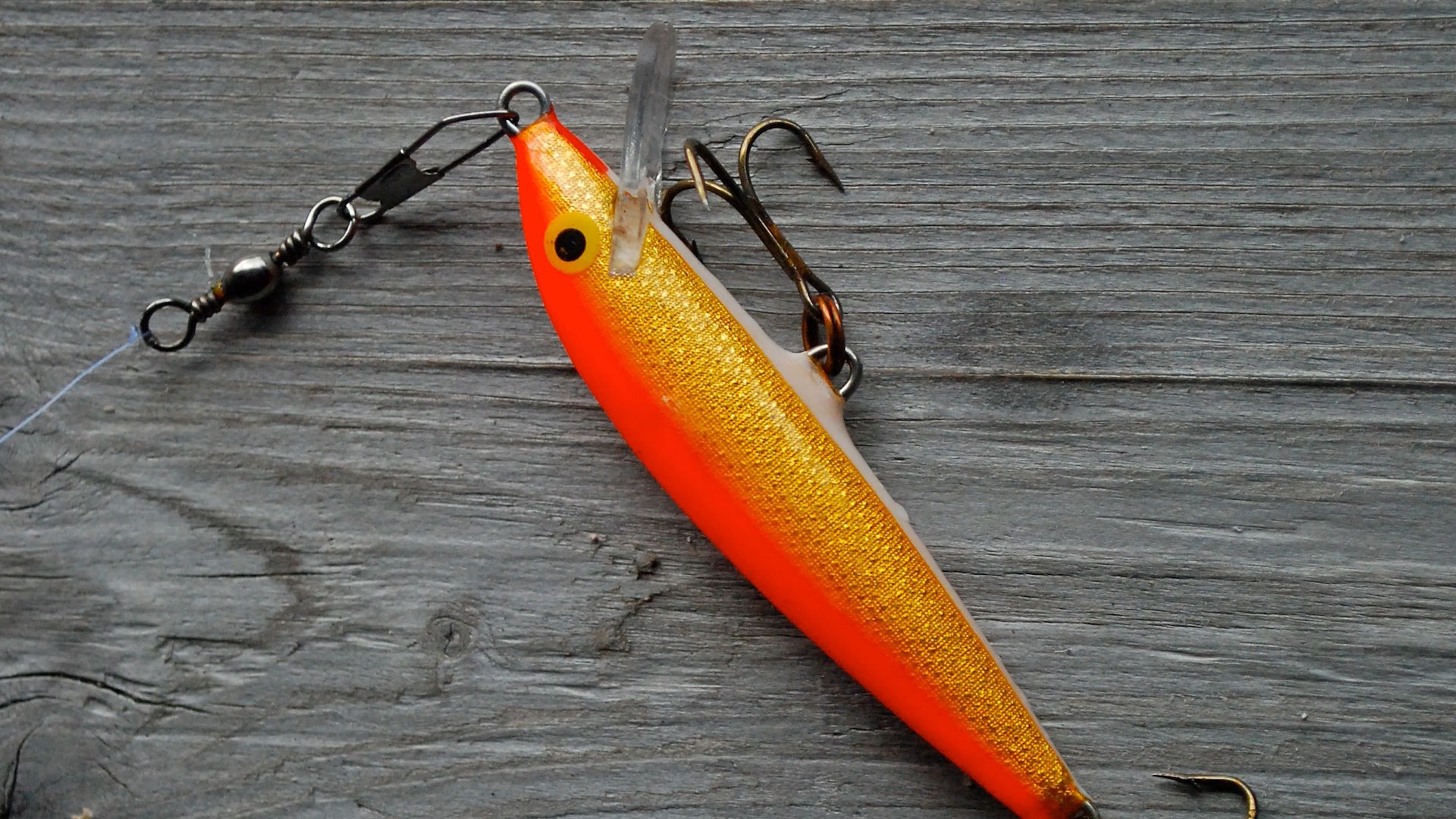
A crooked eyelet can force a lure to swim off center.
- ✦ Inspect the diving bill
A cracked or bent bill can prevent proper depth control.
How to Tune a Crankbait That Pulls Sideways
Use fishing pliers to make tiny adjustments to the line tie. If the lure pulls right, a small adjustment toward the opposite direction may help it track straight. Always test after each change.
- ✦ Make small changes
Large bends can damage the lure and make tuning harder.
Check Line, Knots, and Rigging Problems
Another major part of fishing lure running incorrectly how to troubleshoot is checking the connection between your lure and fishing line. The wrong knot or line angle can change the lure’s movement.
Many anglers overlook the knot because the lure itself looks fine. However, a knot placed too close to the lure eye or a stiff leader can limit natural action.

- ✦ Use the right knot
Loop knots often allow more movement for certain lures.
- ✦ Match line strength
Very heavy line can reduce lure action, especially on smaller baits.
Common Rigging Mistakes
Incorrect hook placement on soft plastics, twisted line, and poorly positioned weights can all create unnatural movement. Correct rigging helps the lure work as designed.
- ✦ Soft plastic alignment
A crooked soft bait often spins instead of swimming.
Adjust Retrieve Speed and Fishing Conditions
Sometimes fishing lure running incorrectly how to troubleshoot is not about damage at all. The retrieve speed may simply be wrong for the lure design or water conditions.
Cold water, strong current, weeds, and deep water can all change how a lure behaves. Test different speeds and pauses before replacing the lure.

- ✦ Slow down in cold water
Many fish respond better to slower lure movement during colder seasons.
- ✦ Match current speed
Strong current may require a faster or steadier retrieve.
Testing a Lure Before Casting Far
Drop the lure beside the boat or near shore and watch its movement. This simple test reveals problems before you spend hours fishing with poor action.
Troubleshoot Specific Lure Types
Different lure styles fail in different ways. Fishing lure running incorrectly how to troubleshoot depends on whether you are using crankbaits, spinnerbaits, topwater lures, or soft plastics.
Knowing the common issue for each lure type makes repairs faster and helps you avoid unnecessary replacements.
- ✦ Crankbaits
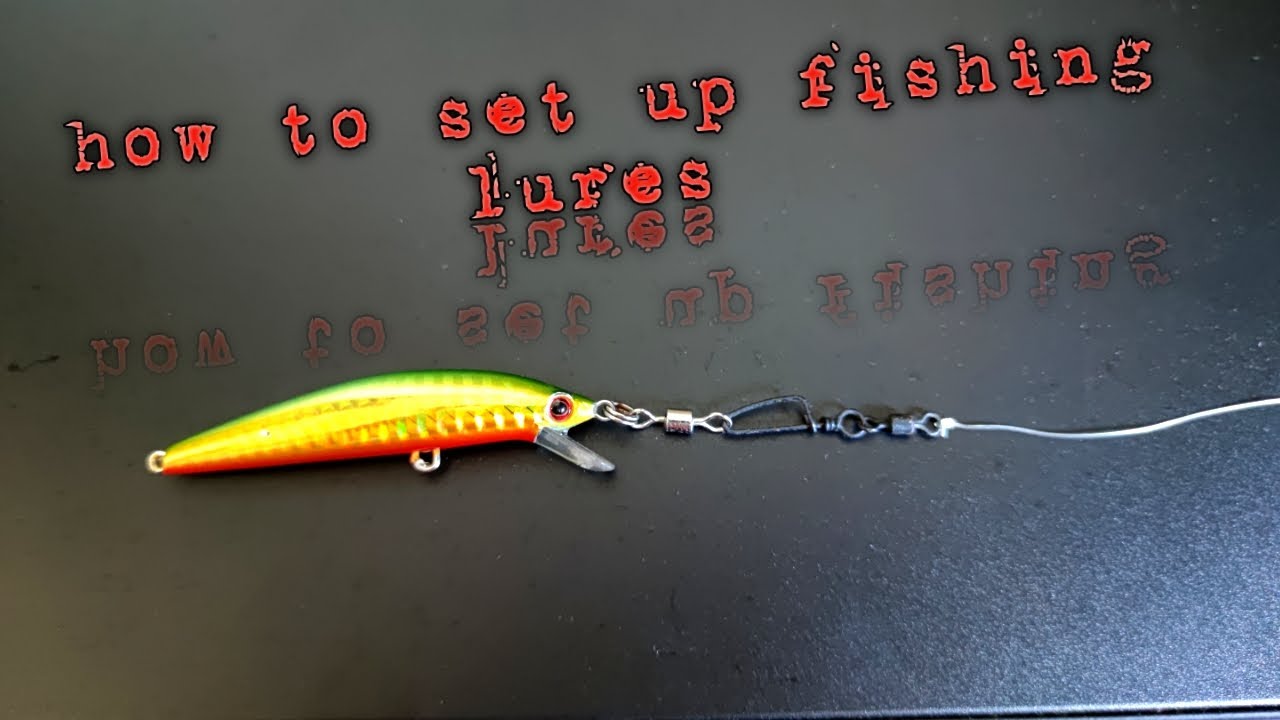
Check the bill and line tie when the lure tracks sideways.
- ✦ Spinnerbaits
Check blade rotation and skirt position when vibration feels weak.
- ✦ Topwater lures
Check balance and retrieve rhythm when walking action fails.