When anglers search for baitcasting reel handle slipping how to fix, they usually notice the same frustrating problem: the handle turns but the spool does not respond correctly. This can ruin a fishing trip because every hook set and retrieve depends on smooth power transfer from your hand to the reel.
After working with fishing gear, I have found that most slipping handles are not caused by a major failure. In many cases, the issue comes from a loose handle nut, worn star drag parts, a damaged drive shaft, or dirt inside the reel assembly. A careful inspection can often restore your reel without buying a new one.
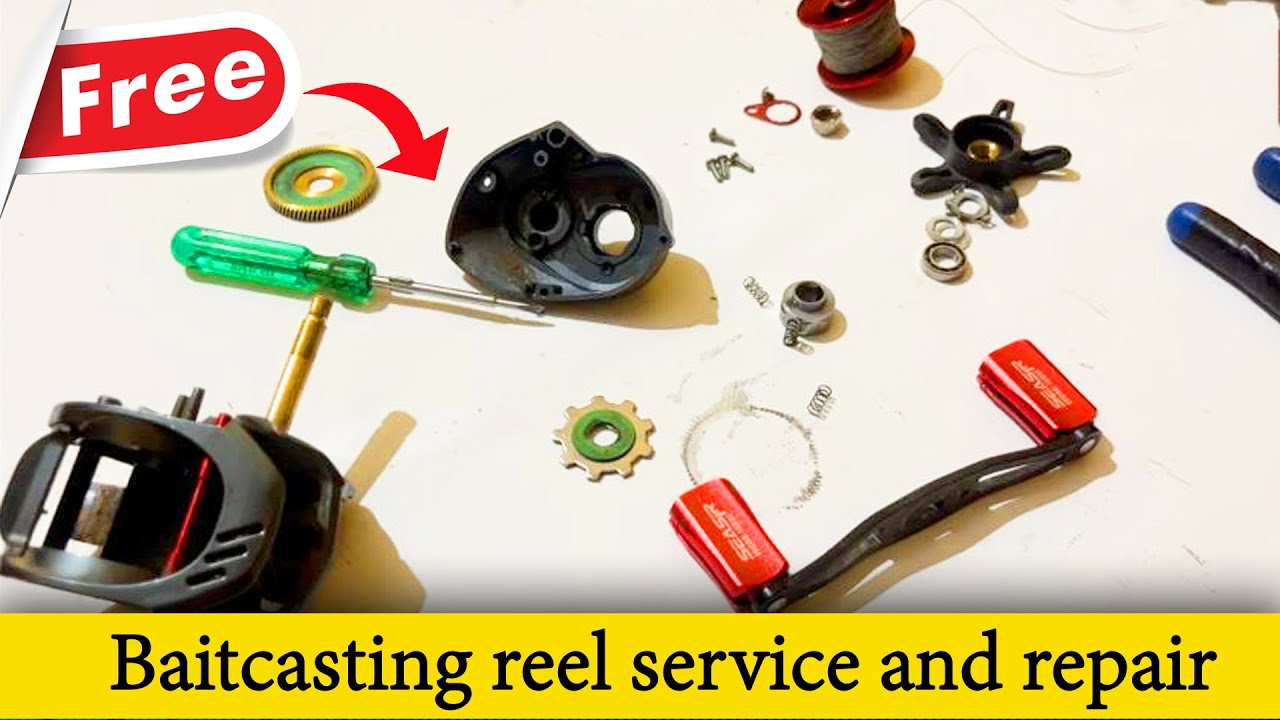
Why Does a Baitcasting Reel Handle Slip?
Before learning baitcasting reel handle slipping how to fix, you need to understand why the problem happens. The handle is connected to the internal gear system, and any loose or damaged part can reduce the power transfer.
A baitcaster handle should feel solid when you turn it. If it moves backward, spins freely, or feels disconnected from the spool, one or more internal parts may need attention.
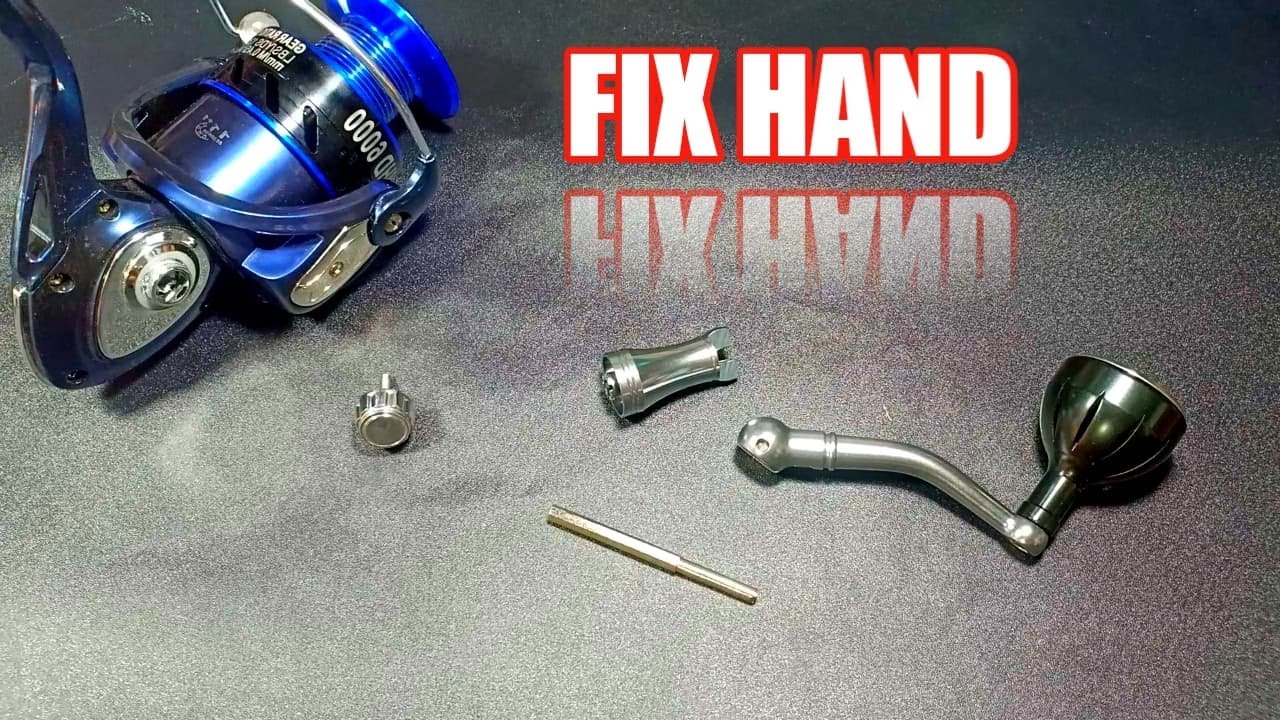
- ✦ Loose handle nut
The handle nut holds the handle firmly against the reel body. If it becomes loose, the handle can wobble or slip during use.
- ✦ Worn drive gear or shaft
Heavy use can wear the gears that transfer power from the handle to the spool.
- ✦ Damaged anti-reverse system
A failing anti-reverse bearing can make the handle move backward or feel unstable.
Common Signs of a Slipping Baitcaster Handle
A slipping handle often gives warning signs before complete failure. You may feel extra movement, hear clicking sounds, or notice that your retrieve feels weaker than normal.
- ✦ Handle wobble
Side-to-side movement usually points to a loose nut or worn handle connection.
- ✦ Lost cranking power
A damaged gear connection can prevent the reel from pulling line smoothly.
How to Fix a Baitcasting Reel Handle That Keeps Slipping
The best way to fix a slipping baitcaster handle is to start with the simplest causes first. Many anglers replace parts too quickly when a basic tightening or cleaning would solve the issue.
Follow these steps carefully and avoid forcing any parts. Small fishing reel components can bend or break if too much pressure is applied.

- ✦ Step 1: Check the handle nut
Remove the handle cap if your reel has one and check whether the handle nut is tight. Use the correct wrench and tighten it gently.
- ✦ Step 2: Inspect the handle washer
A missing or damaged washer can create extra space that allows the handle to slip.
- ✦ Step 3: Check internal parts
If tightening does not work, inspect the drive shaft, gears, and anti-reverse bearing for damage.
Tools Needed for the Repair
Most baitcasting reel handle repairs require only a few simple tools. A small screwdriver set, wrench, reel oil, and a clean work area are usually enough for basic maintenance.
- ✦ Small wrench
Used to tighten the handle nut without damaging the reel.
- ✦ Reel lubricant
Helps reduce friction after cleaning internal parts.
How to Fix a Loose Baitcasting Reel Handle Nut
A loose handle nut is one of the most common answers when people ask baitcasting reel handle slipping how to fix. The constant vibration from casting and retrieving can slowly loosen this connection.
Remove the handle cap, tighten the nut, and test the reel. Do not over-tighten because excessive pressure can damage threads or affect reel movement.
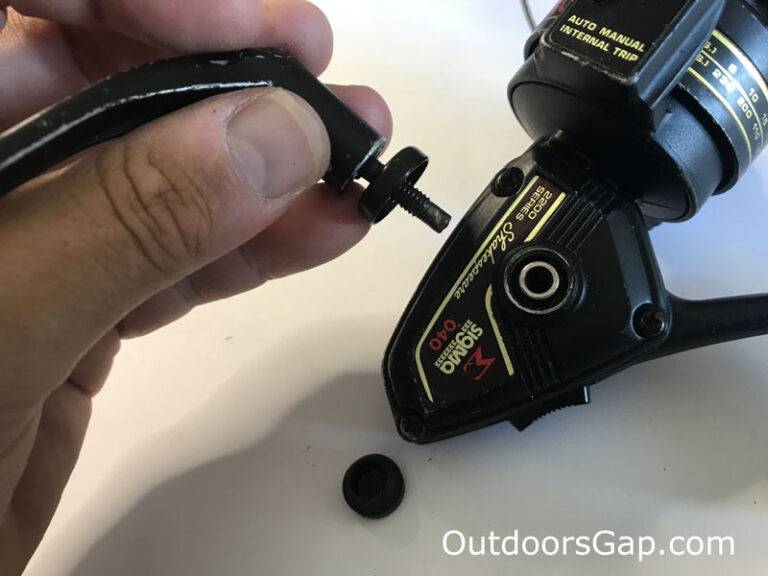
- ✦ Clean before tightening
Remove dirt and old grease around the handle area so the parts sit correctly.
- ✦ Check thread condition
Damaged threads may prevent the nut from staying tight.
When Internal Baitcasting Reel Parts Cause Handle Slipping
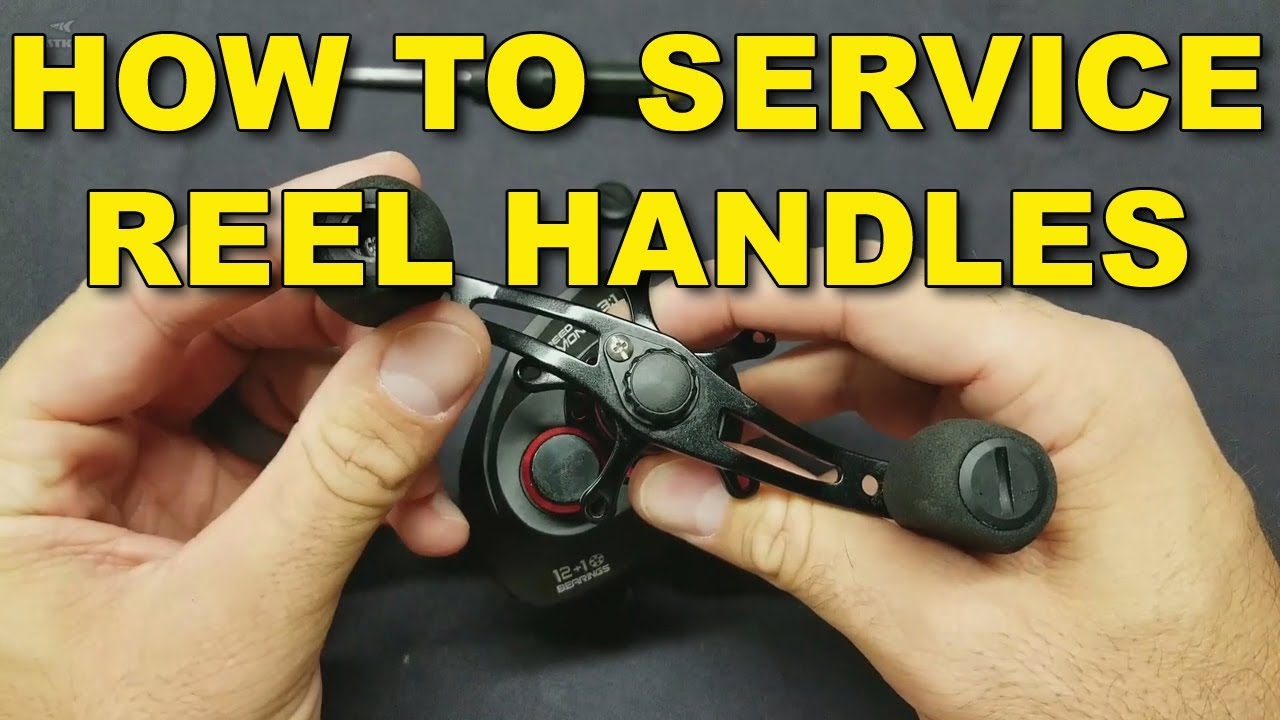
Sometimes the handle is tight, but the reel still slips. This means the problem may be inside the reel body. Worn gears, damaged anti-reverse bearings, or a bent drive shaft can prevent proper power transfer.
Internal repairs require more care because baitcasting reels contain many small parts. Take photos during disassembly so you can reinstall each piece correctly.
- ✦ Drive gear damage
Worn teeth can cause the handle to turn without moving the spool properly.
- ✦ Anti-reverse bearing failure
A damaged bearing may allow unwanted backward movement.
When to Replace Instead of Repair
If the reel has severe gear damage or multiple worn parts, replacement may cost less than repair. High-quality baitcasters can often last many years when maintained properly.
- ✦ Replace damaged gears
New gears restore smooth operation when teeth are worn.
How to Prevent Baitcasting Reel Handle Slipping Problems
Learning baitcasting reel handle slipping how to fix is useful, but prevention saves time on the water. A few minutes of maintenance after fishing can prevent many common reel failures.
Saltwater anglers should pay extra attention because salt and moisture can quickly damage small reel parts. Even freshwater reels benefit from regular cleaning.

- ✦ Clean your reel regularly
Remove dirt, sand, and old grease before they create mechanical problems.
- ✦ Check screws before trips
A quick inspection can catch loose handle nuts before they become serious issues.
- ✦ Use proper reel oil
The correct lubricant keeps moving parts working smoothly.