Learning how to chum effectively can change the way you approach fishing. Chumming is not about throwing a large amount of food into the water and hoping fish appear. It is about creating a natural feeding trail that guides fish toward your bait.
Many experienced anglers in the United States use chumming for species like tuna, sharks, striped bass, catfish, trout, and panfish. The best results come from understanding fish behavior, water movement, and food patterns. A careful approach helps you attract fish without feeding them too much.

What Does Chumming Mean in Fishing?
Chumming is the practice of releasing bait pieces, fish parts, pellets, or other food materials into the water to attract fish. The smell and movement of chum create a feeding signal that can bring fish from nearby areas.
To understand how to chum effectively, anglers must know that fish do not always follow visible food. Many species rely heavily on scent and vibration. A good chum trail uses these natural senses to guide fish toward your fishing area.
- ✦ Creates a scent trail
Chum spreads natural oils and smells that help fish locate food from a distance.
- ✦ Encourages feeding activity
A steady supply of small food particles can make fish more active and interested.
- ✦ Brings fish closer
A properly placed chum line can move fish into casting range.
Choose the Right Type of Chum for Your Target Fish
One of the most important parts of learning how to chum effectively is choosing food that matches what fish already eat. Different species respond to different scents, textures, and food sources.
Saltwater anglers often use cut bait, sardines, menhaden, shrimp, or fish oils. Freshwater anglers may use corn, worms, pellets, bread, or natural bait depending on local rules and target species.

- ✦ Match local food sources
Use chum that resembles the natural prey found in the lake, river, or ocean area.
- ✦ Use fresh ingredients
Fresh bait usually produces stronger natural scents than old or spoiled materials.
- ✦ Consider water conditions
Cold water, warm water, clear water, and muddy water may require different chum choices.
Common Chum Options for Different Fishing Situations
For offshore fishing, oily fish pieces are popular because they create a strong scent trail. For freshwater fishing, smaller food particles often work better because they attract fish without filling them quickly.
- ✦ Saltwater chum
Common options include fish scraps, shrimp pieces, and frozen chum blocks.
- ✦ Freshwater chum
Anglers often use grains, pellets, insects, or small bait pieces.
How to Chum Effectively With Proper Technique
The technique you use matters as much as the chum itself. The goal is to create interest without giving fish enough food to ignore your hook bait.
A common mistake beginners make when learning how to chum effectively is using too much chum too quickly. Small releases spread over time usually create a better feeding pattern.

- ✦ Start with a small amount
Test fish activity first before adding more chum.
- ✦ Create a feeding trail
Allow scent and small particles to move naturally with the current.
- ✦ Keep your bait ready
Cast when fish begin showing interest around the chum area.
The Drift Chumming Method
Drift chumming works well in moving water. Anglers release chum slowly while allowing the current to carry the scent trail. This method can cover a larger area and attract fish from farther away.
- ✦ Follow water movement
Place chum where currents can naturally spread the scent.
Find the Best Location and Timing for Chumming
Even the best chum will fail if you use it in the wrong place. Fish follow food sources, structure, currents, and seasonal patterns.
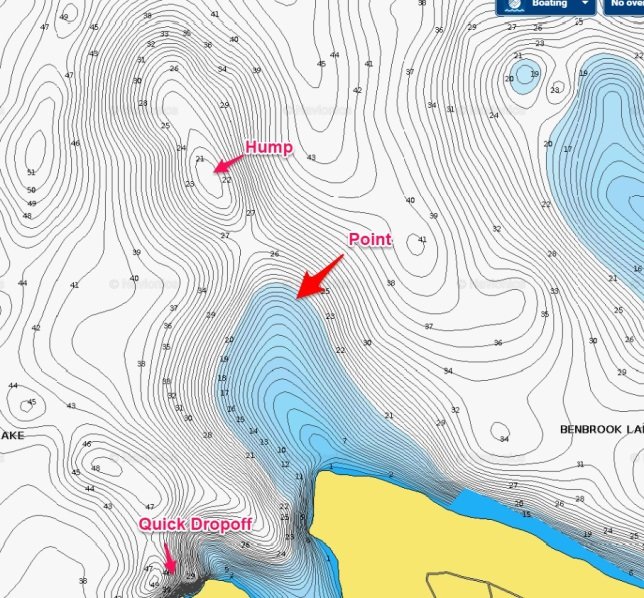
When considering how to chum effectively, look for areas where fish naturally travel. Drop-offs, reefs, weed edges, docks, and current lines often hold feeding fish.

- ✦ Fish near structure
Many species stay close to rocks, vegetation, and underwater changes.
- ✦ Chum with the current
Current helps spread scent and can carry it toward waiting fish.
- ✦ Choose the right time
Early morning, evening, and feeding periods often produce better results.
Common Chumming Mistakes That Reduce Success
Many anglers struggle because they focus only on adding more chum instead of improving their method. Successful chumming requires balance.
Avoiding common mistakes can make learning how to chum effectively much easier. The goal is to attract fish while keeping them interested in your hook bait.

- ✦ Using too much chum
Large amounts can fill fish quickly and reduce interest in your bait.
- ✦ Ignoring regulations
Some states and fisheries restrict or prohibit certain chumming methods.
- ✦ Using the wrong bait type
Unnatural food may fail to attract local fish.
Advanced Tips for Better Chumming Results
Experienced anglers often adjust their chum strategy based on water temperature, fish activity, and weather. Small changes can make a big difference.
The best approach for how to chum effectively is to observe what happens after each release. Watch how fish react and adjust your method instead of following a fixed routine.
- ✦ Mix different textures
A combination of small particles and larger pieces can attract different fish sizes.
- ✦ Use scent enhancement carefully
Natural oils can improve attraction, but excessive scent may look unnatural.
- ✦ Track results
Keep notes about locations, weather, bait, and fish response.
Frequently Asked Questions about how to chum effectively

fishingscouty
Contributor