Many anglers ask how far does fish chum travel because they want to know how close fish need to be before they find the bait. The answer is not a fixed distance. Chum spreads through water as particles and oils move with currents, waves, and tides.
In my experience studying fishing methods, the biggest mistake beginners make is dropping chum without thinking about water movement. Good chumming is about creating a scent path that guides fish toward your hook, not simply throwing food into the water.
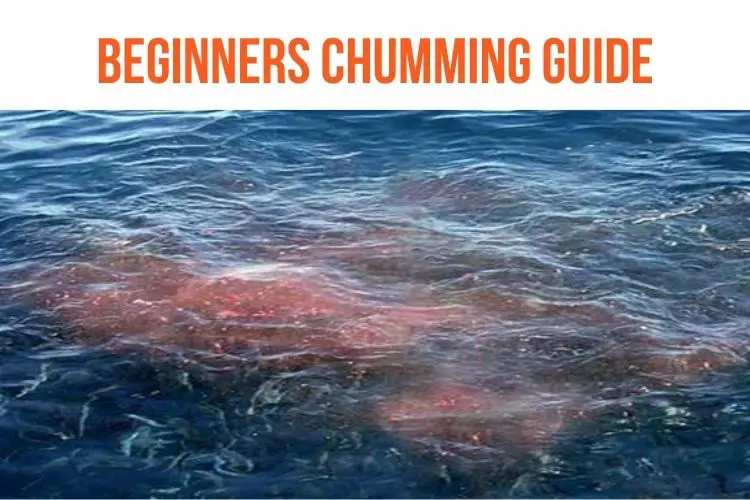
Understanding How Far Does Fish Chum Travel Underwater
The distance fish chum travels depends on how quickly scent particles move through the water. In calm water, chum may create a smaller scent zone. In moving water, the scent can spread much farther.
When asking how far does fish chum travel, anglers should think about the shape of the scent trail instead of a simple circle. Current often carries chum downstream, creating a long feeding path that fish can detect.
- ✦ Calm water
Chum usually spreads slowly and may attract fish from shorter distances.
- ✦ Strong current
Moving water can carry scent farther and create a wider feeding area.
- ✦ Deep water
Depth changes how chum sinks, disperses, and reaches different fish zones.
Why Fish Can Detect Chum From Far Away
Fish have sensitive smell systems that help them locate food. They can detect tiny chemical signals released by bait, oils, and organic material in the water.
This ability allows fish to follow a chum trail back toward the source, even when they cannot see the bait.
Factors That Control How Far Fish Chum Spreads
Several environmental factors decide how far does fish chum travel. Experienced anglers watch these conditions before choosing where and how much chum to use.
A small amount of chum in the right current can work better than a large amount placed in the wrong location.
- ✦ Water current
Current is one of the strongest factors because it carries scent away from the chum source.
- ✦ Wind and waves
Surface movement can change how floating chum spreads across an area.
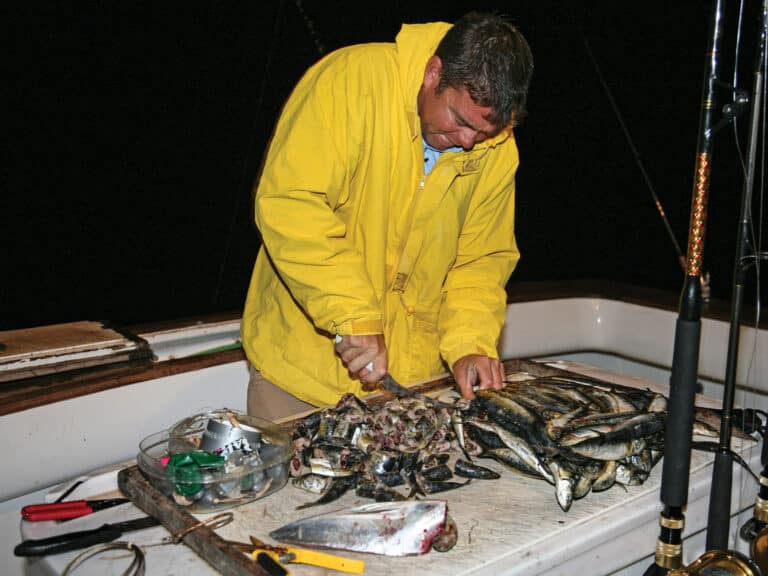
- ✦ Chum type
Frozen blocks, ground bait, and oily mixtures release scent at different speeds.
How Current Creates a Chum Scent Trail
A chum trail works like a highway of scent. Fish often move into the current and follow the smell back toward the bait source.
When deciding how far does fish chum travel, anglers should study tide direction and place chum where the scent can naturally flow toward feeding areas.
- ✦ Up-current placement
Placing chum up-current helps fish follow the scent toward your fishing area.
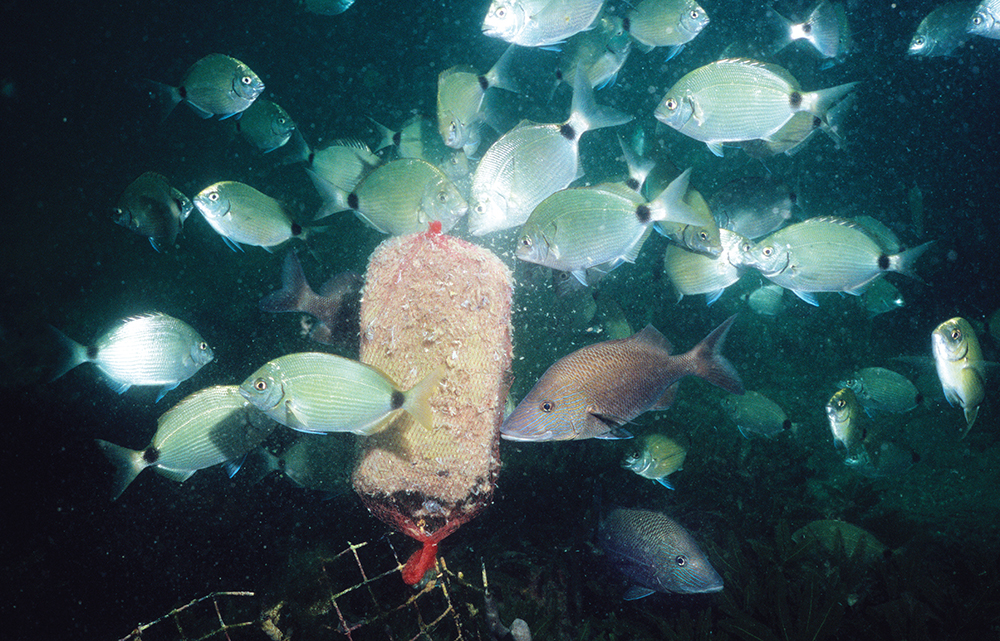
- ✦ Slow release methods
Chum bags and blocks create longer-lasting scent trails.
Using Tide Knowledge for Better Results
Saltwater anglers in the United States often use tides to improve chumming results. Incoming and outgoing tides can change the direction and speed of a scent trail.
How Different Chum Types Affect Travel Distance
Different chum products spread at different rates. Oily fish mixtures often create strong scent trails because oils move through water and attract predator species.
Dry particles may attract smaller fish quickly but may not create the same long-distance scent trail as oily bait.

- ✦ Frozen chum blocks
These release scent slowly and are useful for longer fishing sessions.
- ✦ Fresh ground chum
This releases strong scent quickly but may disappear faster.
Practical Chumming Tips for American Anglers
Successful anglers do not only focus on how far does fish chum travel. They focus on putting the scent trail in the right place where target fish are likely to feed.
Whether fishing from a pier, boat, or shoreline, matching your chum method to local conditions is the key.
- ✦ Start with small amounts
Too much chum can feed fish without encouraging them to bite your hook.
- ✦ Watch fish behavior
Adjust your chum strategy when fish arrive, leave, or ignore the bait.
- ✦ Follow local rules
Some areas restrict chumming, so always check fishing regulations.
Frequently Asked Questions about how far does fish chum travel

fishingscouty
Contributor