Learning how to use crickets as fishing bait is one of the simplest ways to improve your freshwater fishing results. Crickets create natural movement and vibrations that many fish recognize as an easy meal.
Many anglers in the United States use crickets during warm months when fish feed close to shore. From backyard ponds to large lakes, a properly presented cricket can attract bluegill, crappie, trout, and even bass.

Why Crickets Make Excellent Fishing Bait
Crickets work well because they are a natural food source for many freshwater fish. When insects fall into water, fish often react quickly because they see them as an easy meal.
The biggest advantage of using crickets is their natural action. A live cricket moves on the surface and underwater, creating small vibrations that attract nearby fish.

- ✦ Natural movement
A live cricket creates realistic motion that artificial lures often cannot copy.
- ✦ Wide fish appeal
Crickets attract species such as bluegill, sunfish, crappie, trout, and small bass.
Best Fish Species for Cricket Bait
Crickets are especially popular for catching panfish because these fish commonly feed on insects. They also work well when targeting trout in streams and ponds.
- ✦ Bluegill
Bluegill often attack crickets quickly near docks, grass, and shallow water.
- ✦ Trout
Trout may take crickets drifting naturally through current.
How to Choose and Store Live Crickets for Fishing
Fresh, active crickets perform better than weak ones. Healthy crickets jump, move often, and stay attached to the hook longer.
You can buy fishing crickets from bait shops or pet stores. Keep them in a ventilated container with egg cartons for hiding spaces and avoid extreme heat or cold.

- ✦ Keep them cool
Moderate temperatures help crickets stay active before fishing.
- ✦ Avoid moisture buildup
Too much moisture can harm crickets and reduce their effectiveness.
How Many Crickets Should You Bring
For a short fishing trip, a small container of crickets is usually enough. Bring extra bait when fishing areas with many small fish because they may steal bait quickly.
How to Hook a Cricket for Fishing
Knowing how to use crickets as fishing bait starts with proper hooking. The goal is to keep the cricket alive while allowing it to move naturally.
Use a small hook and avoid crushing the cricket. A gentle hook placement gives the bait more time to attract fish.

- ✦ Hook through the body lightly
Place the hook near the back section while avoiding major internal areas.
- ✦ Match hook size
Small hooks work best because they keep the bait looking natural.
Popular Cricket Hooking Methods
Many anglers hook crickets through the collar area behind the head or through the upper body shell. Both methods help maintain movement.
- ✦ Body hook method
Good for floating presentations and slow-moving water.
The Best Fishing Gear for Cricket Bait
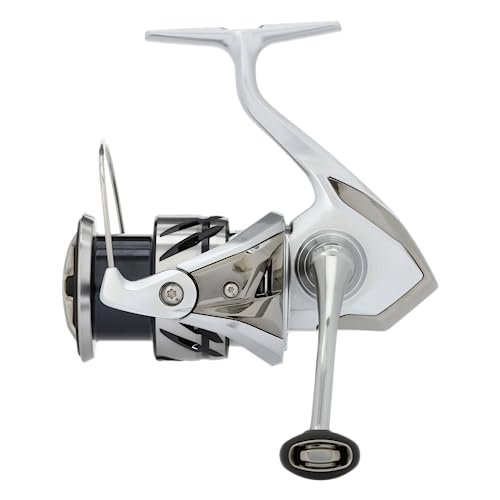
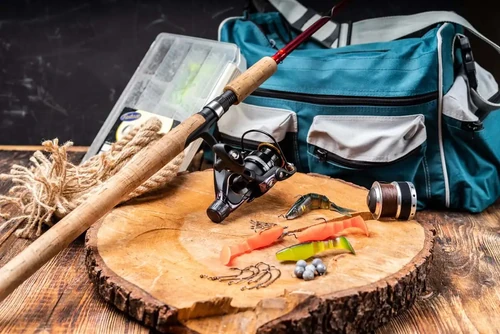
Cricket fishing does not require expensive equipment. A light spinning rod, small hook, and simple bobber setup work well for most situations.
The right gear helps present the cricket naturally and allows you to detect small bites.

- ✦ Light fishing line
Thin line helps the bait move naturally and reduces fish suspicion.
- ✦ Small bobber
A small float helps you watch for quick bites.
Simple Cricket Fishing Setup
A common setup includes a small hook, light line, split shot weight, and a bobber. Adjust the depth based on where fish are feeding.
Where and When to Fish With Crickets
Crickets are most effective in warm seasons when insects are naturally active. Early morning and evening often provide excellent feeding conditions.
Look for areas with cover such as weeds, fallen trees, docks, and shallow edges. Fish often wait near these spots for insects to drop into the water.
- ✦ Shallow water
Many insect-eating fish feed close to shore.
- ✦ Natural cover
Vegetation and structure attract fish searching for food.
Tips for Better Cricket Presentation
Avoid making large splashes when casting. A gentle landing makes the bait appear more natural.
Common Cricket Fishing Mistakes to Avoid
Even experienced anglers can lose success by presenting crickets incorrectly. Small adjustments often make a big difference.
The most common mistake is using dead or damaged bait. Fish respond better to lively movement.
- ✦ Using a hook that is too large
Large hooks can restrict movement and make the bait look unnatural.
- ✦ Casting too aggressively
Hard casts can remove the cricket before it reaches the water.
Frequently Asked Questions about how to use crickets as fishing bait

fishingscouty
Contributor