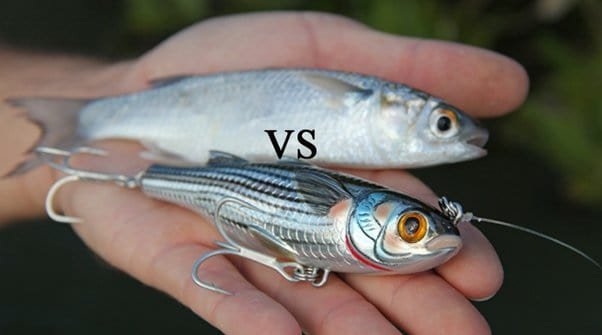
Many anglers searching for what is a jerkbait want to understand why this simple-looking lure catches so many fish. A jerkbait is built to copy the natural movement of a small baitfish that is weak, injured, or trying to escape. This action attracts predator fish because it looks like an easy meal.
From my experience studying bass fishing techniques, jerkbaits are one of the most effective tools when fish are feeding on smaller baitfish. They shine during cooler months in many parts of the United States, but skilled anglers use them all year when conditions are right. Learning what is a jerkbait and how to control its movement can improve your fishing results.

What Is a Jerkbait and How Does It Work?
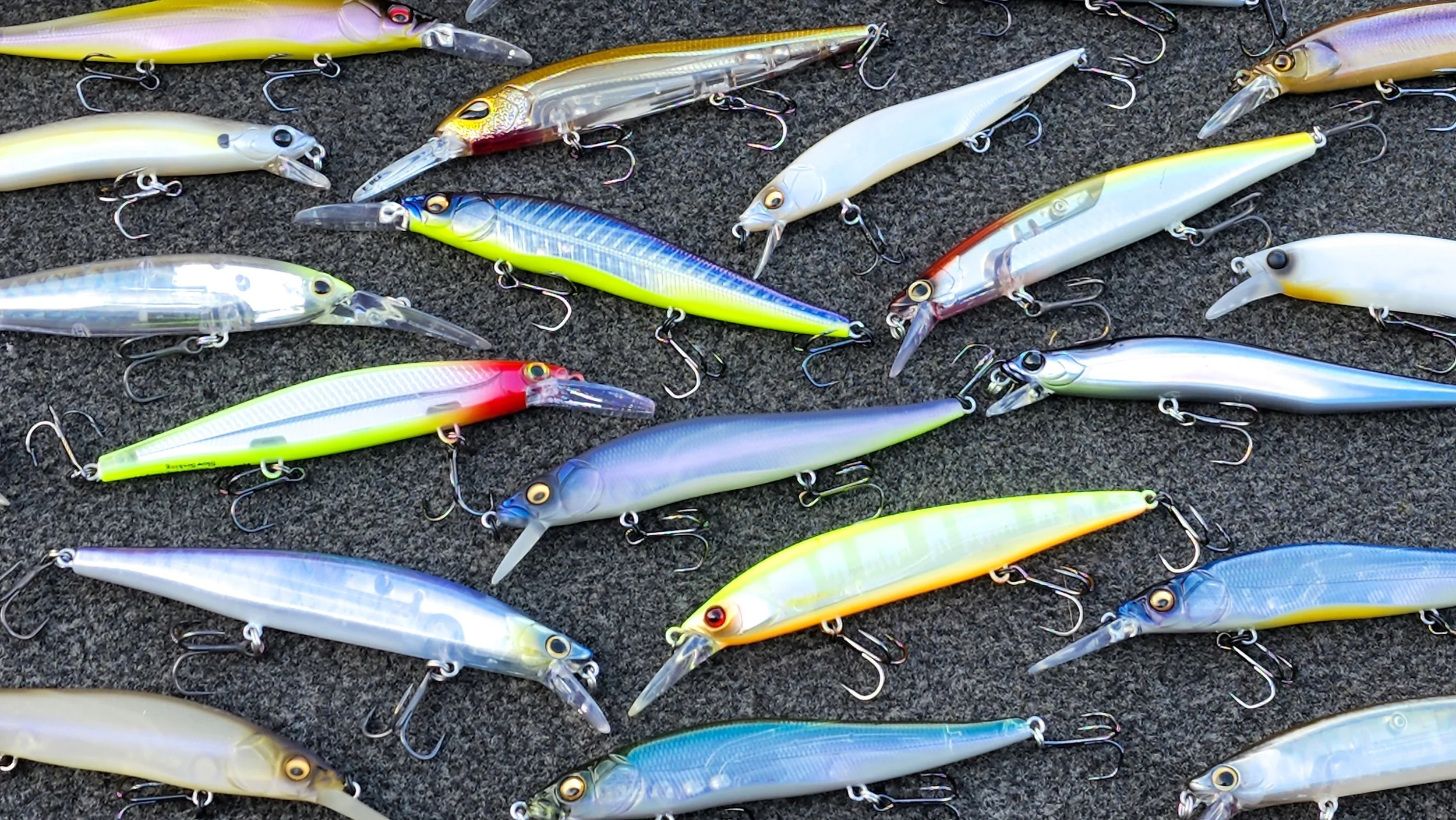
To fully understand what is a jerkbait, think of it as a baitfish imitation designed for reaction strikes. The lure has a slim body shape, usually with two or three treble hooks, and a small diving lip that controls movement below the water surface.
Unlike a steady-moving crankbait, a jerkbait depends on sudden rod snaps and pauses. These movements make the lure dart from side to side before stopping. That pause often creates the moment when a bass or other predator attacks.
- ✦ Baitfish imitation
Jerkbaits copy common prey fish such as shad, minnows, and small perch.
- ✦ Erratic movement
Quick jerks and pauses create an injured baitfish action that attracts predators.
- ✦ Reaction strikes
Fish often strike because the unusual movement triggers their hunting instincts.
Why Do Fish Attack Jerkbaits?
Predator fish often target weak prey because it requires less energy to catch. A properly worked jerkbait looks like a vulnerable fish that cannot escape quickly.
This is why jerkbaits are popular among bass anglers in lakes, reservoirs, and rivers across the United States.
- ✦ Natural presentation
The lure resembles real prey behavior when moved correctly.
Different Types of Jerkbaits
Understanding the types of jerkbaits helps anglers choose the right tool for different fishing situations. When learning what is a jerkbait, it is important to know that not every model behaves the same way.
Jerkbaits are mainly divided into hard jerkbaits and soft jerkbaits. Each style has different actions, depths, and uses.

- ✦ Floating jerkbaits
These rise toward the surface during pauses and work well in shallow water.
- ✦ Suspending jerkbaits
These stay at a chosen depth during pauses and are effective for inactive fish.
- ✦ Sinking jerkbaits
These drop deeper and help reach fish below the surface.
- ✦ Soft jerkbaits
These are flexible plastic lures that imitate injured baitfish with a natural feel.
Hard Jerkbaits vs Soft Jerkbaits
Hard jerkbaits are made from plastic or wood and usually contain treble hooks. They create a sharp darting action that works well for bass and other aggressive fish.
Soft jerkbaits use flexible plastic materials and often use a weedless hook setup. They are useful around cover where traditional treble hooks may snag.
How to Fish a Jerkbait Correctly
Knowing what is a jerkbait is only the first step. The real skill comes from controlling speed, depth, and pauses. Small changes in your retrieve can completely change how fish respond.
A common technique is called jerk-pause-retrieve. The angler pulls the rod tip downward or sideways, lets the lure stop, and repeats the process.

- ✦ Use short jerks
Small rod movements often create a more realistic baitfish action.
- ✦ Control pause time
Longer pauses often work better in cold water when fish move slowly.
- ✦ Match the retrieve
Adjust your speed based on fish activity and water conditions.
Best Rod and Line Setup for Jerkbaits
Many anglers prefer a medium or medium-light rod with a fast action tip. This setup allows precise lure movement while protecting light hooks.
Fluorocarbon line is popular because it sinks slightly and provides sensitivity. Some anglers use braided line with a leader depending on water clarity and cover.
When Is the Best Time to Use a Jerkbait?
A major reason anglers ask what is a jerkbait is because they want to know when this lure works best. Jerkbaits are especially effective when fish are focused on small baitfish.
In many U.S. lakes, spring and fall are excellent seasons because baitfish movement increases and predator fish actively feed.
- ✦ Cold water
Slow jerkbait presentations can trigger fish that are not chasing fast-moving lures.
- ✦ Clear water
Fish can see the realistic shape and movement of jerkbaits more easily.
- ✦ Baitfish presence
Jerkbaits work best when local predators are feeding on similar prey.
Common Fish Caught With Jerkbaits
Jerkbaits are not only for bass. Many freshwater predators respond well to a baitfish imitation. This versatility makes them popular among anglers across North America.
When asking what is a jerkbait, many beginners assume it is only a bass lure. In reality, it can attract several species depending on location and conditions.
- ✦ Largemouth bass
One of the most common targets because bass aggressively chase injured baitfish.
- ✦ Smallmouth bass
Smallmouth often attack jerkbaits in clear rivers and rocky lakes.
- ✦ Trout
Larger trout may strike jerkbaits that imitate small fish.
- ✦ Walleye
Walleye anglers use jerkbaits when targeting feeding fish near structure.
Frequently Asked Questions about what is a jerkbait

fishingscouty
Contributor