Many anglers ask how do fish respond to fishing pressure after seeing a once productive lake become harder to fish. The answer comes down to survival. Fish learn from repeated encounters with hooks, boats, noise, and unnatural movements.
In U.S. lakes, rivers, and coastal waters, fishing pressure can change the way fish feed and move. Experienced anglers often notice that heavily fished areas require quieter approaches and more natural presentations.
What fishing pressure means and why it changes fish behavior
Fishing pressure means the amount of fishing activity that fish experience in a certain area. It includes the number of anglers, the number of catches, boat traffic, and repeated lure exposure.
To understand how do fish respond to fishing pressure, think of fish as animals that learn from experience. A fish that survives several hook encounters may become less likely to strike similar bait again.
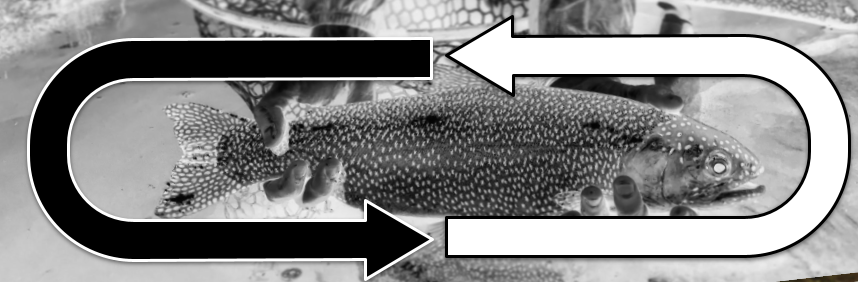
- ✦ More human activity
Frequent boats, footsteps, and casting sounds can make fish leave exposed areas.
- ✦ Repeated lure exposure
Fish may avoid lures that look, move, or smell similar to previous dangers.
How fish become more cautious under heavy fishing pressure
Research on fish behavior shows that many species can learn to avoid risks. Bass, trout, and other game fish may become harder to catch after repeated exposure to anglers.
How do fish respond to fishing pressure when they feel threatened? They often reduce movement, feed during safer periods, and stay closer to cover.
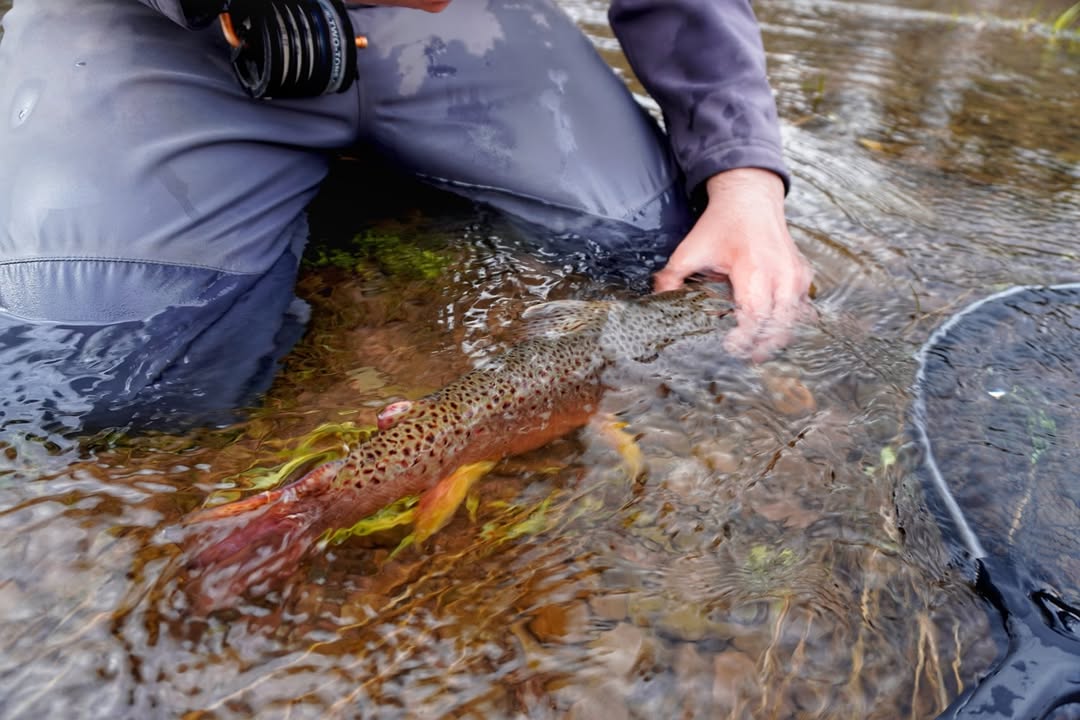
- ✦ Reduced feeding activity
Some pressured fish feed less during busy daytime hours and become active at dawn, dusk, or night.
- ✦ Better threat recognition
Fish may identify unusual sounds, shapes, or lure actions as possible danger.
Fish memory and learning
Fish do not think like humans, but they can remember experiences. A fish that escapes a hook may avoid similar situations later.
- ✦ Survival learning
Past encounters can influence future choices.
Changes in feeding patterns caused by fishing pressure
One major answer to how do fish respond to fishing pressure is that feeding habits often change. Fish may stop chasing fast-moving lures and prefer smaller, more natural-looking food sources.
Pressured fish often become selective. They may inspect bait longer before striking, especially in clear water where they can see details.

- ✦ Night feeding
Some fish become more active after dark when human activity decreases.
- ✦ Smaller meals
Fish may prefer subtle prey because it requires less risk.
How habitat changes help fish avoid anglers
Fishing pressure can change where fish spend time. Many species move toward deeper water, heavy vegetation, rocks, or other places that provide safety.
Learning how do fish respond to fishing pressure helps anglers understand that fish location is not random. Fish often choose areas that reduce danger while still offering food.
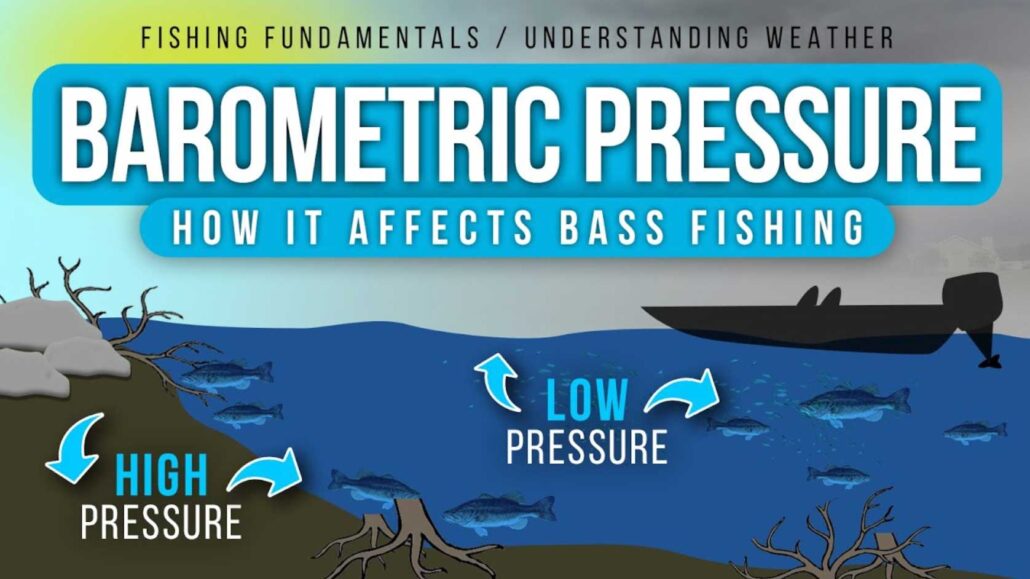
- ✦ Seeking cover
Fish may hide near structure to avoid predators and human activity.
- ✦ Changing travel routes
Fish may use less obvious paths between feeding and resting areas.
How anglers can adapt to pressured fish
Successful anglers adjust when fishing pressure increases. Instead of forcing the same method, they change lure size, speed, location, and timing.
Knowing how do fish respond to fishing pressure allows anglers to make smarter choices. A quiet approach and careful presentation often work better than aggressive tactics.

- ✦ Use natural presentations
Match local prey size, color, and movement patterns.
- ✦ Reduce disturbance
Limit noise and sudden movements near fishing areas.
- ✦ Explore new zones
Less pressured areas may hold more active fish.