Many anglers ask, how does a jerkbait work, because this lure looks simple but uses a very advanced fishing method. A jerkbait does not swim like a steady crankbait. Instead, it moves in short bursts, darts from side to side, and pauses like a weak fish trying to escape.
From my experience studying bass fishing techniques, the biggest mistake beginners make is moving a jerkbait too fast. The magic often happens when the lure stops. Predatory fish like bass often strike during the pause because the bait looks easy to catch.

How Does a Jerkbait Work Underwater?
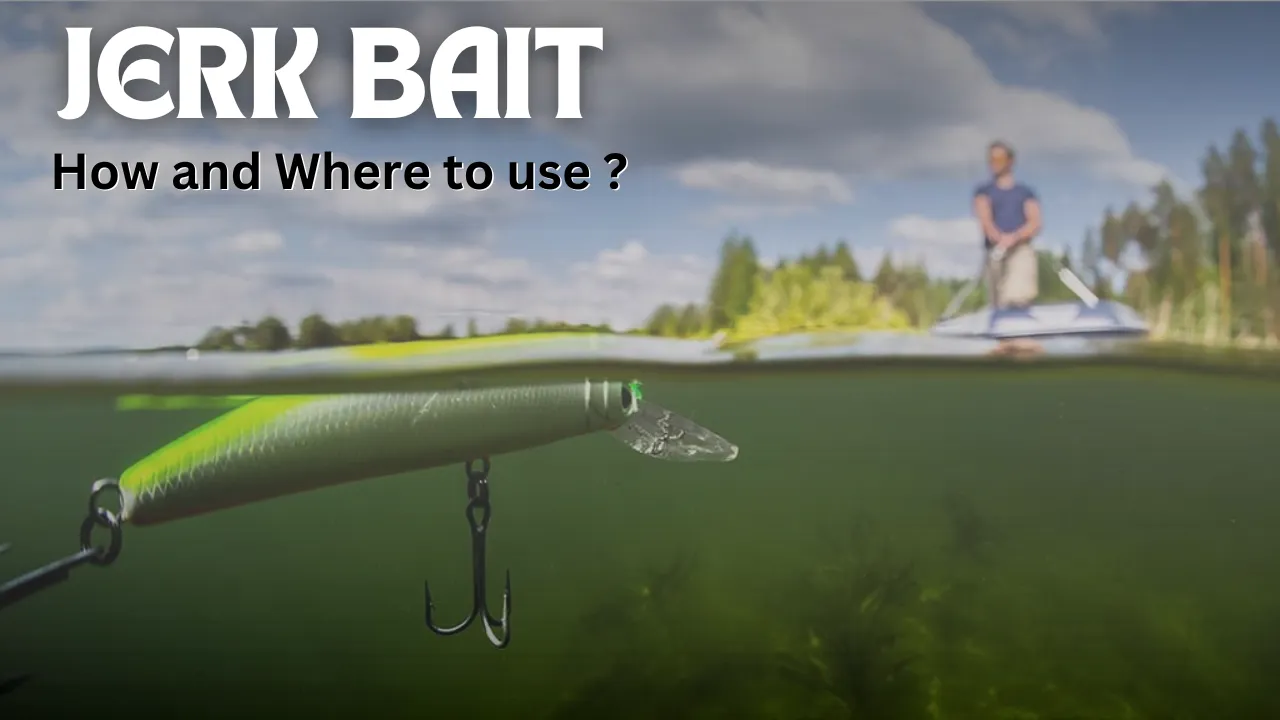
A jerkbait works by using a combination of lure design and angler movement. When you pull the rod tip quickly, the lure darts forward and moves from side to side. This creates the appearance of a small fish trying to escape.
The lure then stops when you pause your retrieve. Many jerkbaits are designed to suspend in the water, which means they stay at the same depth instead of floating up or sinking quickly. This makes them very effective when fish are following but not attacking.
- ✦ Darting action
Quick rod snaps make the jerkbait move unpredictably like a frightened baitfish.
- ✦ Suspending movement
A suspending jerkbait can remain in the strike zone during pauses.
- ✦ Visual attraction
The flash and movement help predators notice the lure from a distance.
The Role of the Jerkbait Body Design
The slim body shape of a jerkbait copies common baitfish such as minnows and shad. The narrow profile helps it move naturally through the water.
Most jerkbaits include a small diving bill that controls depth and creates movement. The bill pushes against the water and helps the lure stay stable during the retrieve.
- ✦ Slim profile
Matches the shape of many natural prey fish.
Why Do Fish Strike a Jerkbait?
A jerkbait triggers a predator’s hunting instinct. Bass and other game fish often target weak or injured prey because they require less energy to catch.
The stop-and-go movement creates a reaction bite. Even when a fish is not actively feeding, the sudden movement of a jerkbait can make it attack out of instinct.

- ✦ Imitates injured prey
The irregular movement makes fish believe the lure is vulnerable.
- ✦ Creates reaction strikes
Fast direction changes can trigger aggressive responses.
The Importance of the Pause
The pause is one of the most important parts of jerkbait fishing. Many strikes happen while the lure sits still because fish have time to approach and attack.
Cold water often requires longer pauses, while warmer water usually allows faster retrieves.
- ✦ Cold water strategy
Use slower movements and longer pauses when fish are less active.
How to Fish a Jerkbait Correctly
Knowing how does a jerkbait work is only the first step. The technique you use controls how realistic the lure appears underwater.
A common method is the jerk-jerk-pause retrieve. The angler gives two quick rod snaps, lets the lure pause, and repeats the pattern until a fish strikes.

- ✦ Use your rod tip
Short downward or sideways snaps create better lure movement than only turning the reel handle.
- ✦ Control your speed
Adjust your retrieve based on fish activity and water conditions.
Best Rod and Line Setup
Most anglers use a medium or medium-light rod with a fast action tip for jerkbaits. This setup provides enough flexibility for proper lure movement.
Fluorocarbon line is popular because it has low visibility and helps many jerkbaits reach their designed depth.
- ✦ Medium action rod
Provides control while allowing fish to load the rod.
Different Types of Jerkbaits and How They Work
Jerkbaits come in different styles, and each type works best in certain conditions. Understanding these differences helps anglers choose the right lure.
The main categories are floating, suspending, and sinking jerkbaits. Each one changes how long the lure stays in the feeding area.
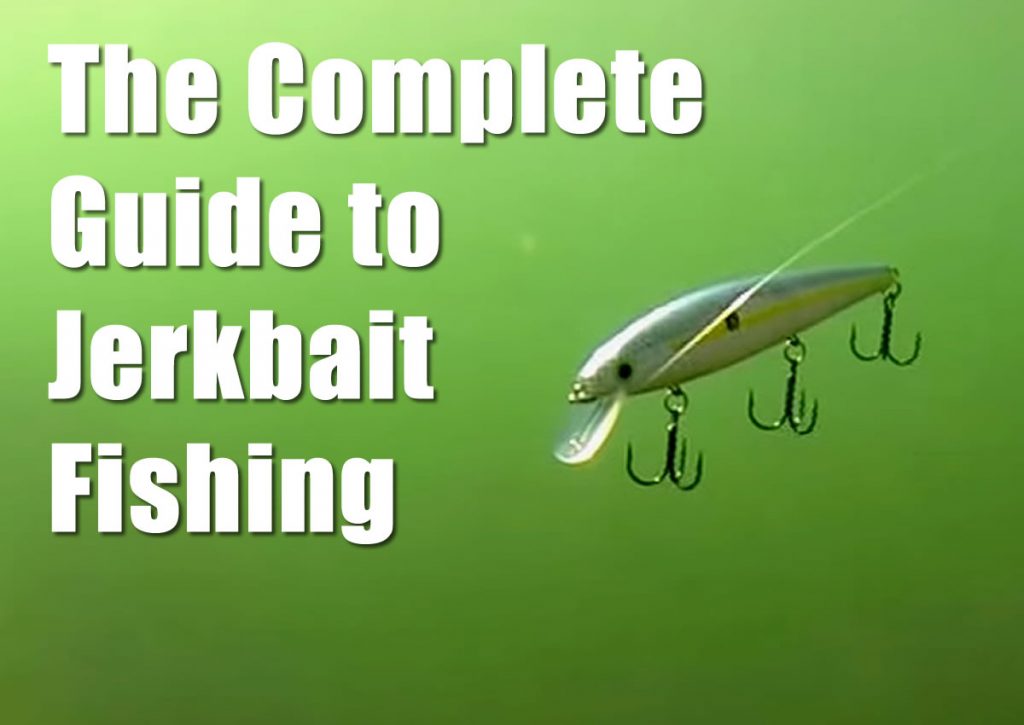
- ✦ Floating jerkbait
Rises toward the surface during pauses and works well around shallow cover.
- ✦ Suspending jerkbait
Stays at a similar depth and is excellent for inactive fish.
- ✦ Sinking jerkbait
Drops deeper and helps reach fish below normal jerkbait zones.
Choosing the Right Jerkbait Depth
Depth selection is important because fish usually feed at specific levels. A shallow jerkbait may work best near vegetation, while deeper models help target suspended bass.
Matching the lure depth with where fish are located can greatly improve results.
- ✦ Shallow water
Use smaller diving models near banks and cover.
When Is the Best Time to Use a Jerkbait?
Many anglers use jerkbaits during spring and fall because baitfish are active and predators feed heavily. However, the lure can work throughout the year with the right approach.
In many U.S. lakes, winter and early spring are excellent times for suspending jerkbaits because bass often move slowly and prefer easy targets.

- ✦ Clear water
Jerkbaits work well because fish can see the realistic movement.
- ✦ Cool temperatures
Slow pauses often match the behavior of cold-water baitfish.
Common Jerkbait Fishing Mistakes
A common mistake is retrieving too quickly. When anglers remove the pause, the lure loses the wounded baitfish effect.
Another mistake is choosing the wrong depth. A perfectly presented jerkbait will not work well if it passes above or below feeding fish.
- ✦ Skipping pauses
Reduces the chance for fish to catch and attack the lure.
Frequently Asked Questions about how does a jerkbait work

fishingscouty
Contributor