When anglers ask what is lure vibration, they are usually trying to understand how fish find artificial bait. Lure vibration is the signal created when a lure moves through water. This movement produces pressure waves that fish can sense with their lateral line system.
After years of studying fishing techniques and testing different artificial lures, one thing becomes clear: vibration can be just as important as color or shape. In U.S. lakes, rivers, and coastal waters, vibrating lures are popular because they help anglers reach fish when visibility is poor or fish are less active.
What Is Lure Vibration and How Does It Work?
To understand what is lure vibration, imagine a small object moving through water and creating tiny waves. A fishing lure with vibration features pushes water as it swims, falls, or is retrieved. These movements create signals that nearby fish can detect.
Fish do not only rely on their eyes to find food. Many species use their lateral line system to feel water movement. A vibrating lure can imitate the movement of injured baitfish, making it appear like an easy meal.
- ✦ Water Pressure Waves
The lure creates small pressure changes in the water that travel around it and alert nearby fish.
- ✦ Fish Sensory Response
Predatory fish use vibration signals to locate prey before they see it clearly.
- ✦ Baitfish Imitation
Many vibration lures copy the movement of struggling or escaping small fish.
The Role of the Fish Lateral Line System
The lateral line is a special sensory organ that helps fish detect movement and vibrations around them. It allows predators like bass, pike, and walleye to find prey even when water conditions reduce visibility.
This is why understanding what is lure vibration helps anglers choose better lures for cloudy water, deep areas, and low-light fishing situations.
- ✦ Detects Movement
Fish can sense nearby movement without needing direct visual contact.
Why Does Lure Vibration Matter When Fishing?
Many anglers focus only on lure color, but vibration can play a major role in attracting fish. A strong vibration pattern can help a lure stand out when several natural food sources are available.
In American fishing conditions, vibration lures are often used for bass fishing, crappie fishing, and saltwater species because they can cover large areas quickly.
- ✦ Works in Murky Water
Vibration helps fish locate bait when they cannot see clearly.
- ✦ Covers More Water
Anglers can search large areas because vibration attracts fish from a wider distance.
- ✦ Triggers Reaction Strikes
Fast-moving vibration can cause predatory fish to attack based on instinct.
Types of Fishing Lures That Create Vibration
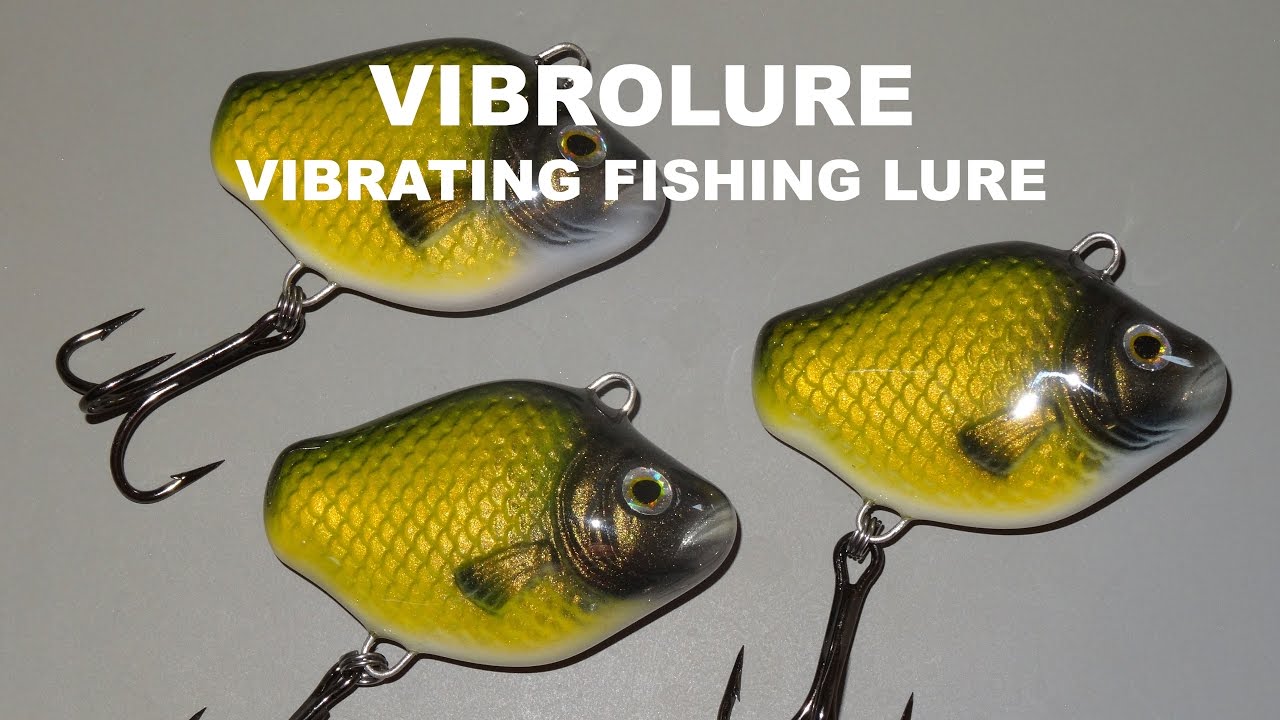
Different lure styles produce different vibration patterns. Some create a tight, fast vibration, while others produce a wide wobble that pushes more water.
Knowing what is lure vibration also means understanding that each lure type has a different purpose. The best choice depends on depth, water clarity, and target fish.
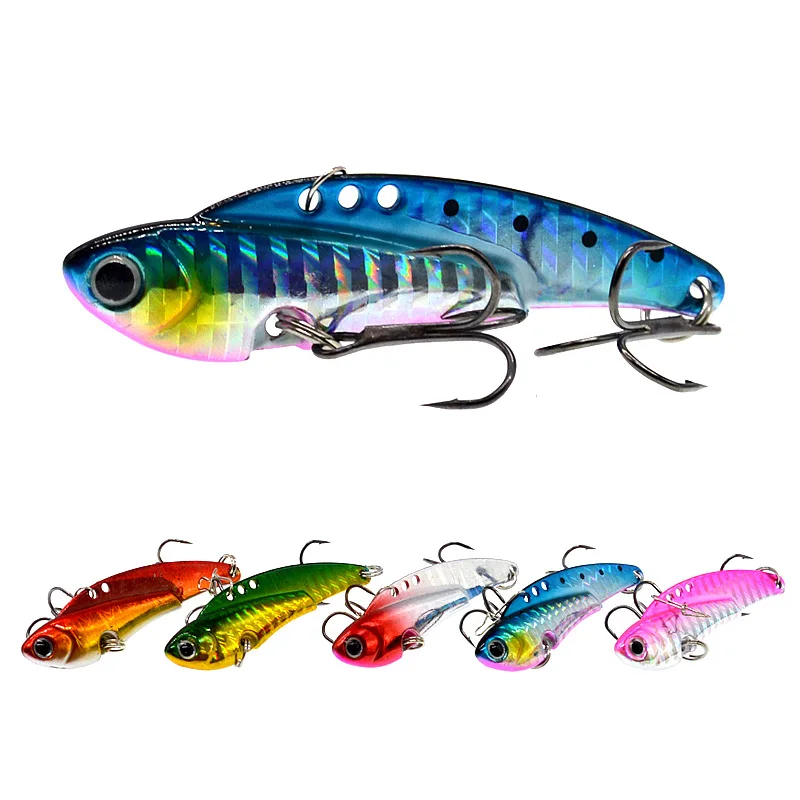
- ✦ VIB Lures
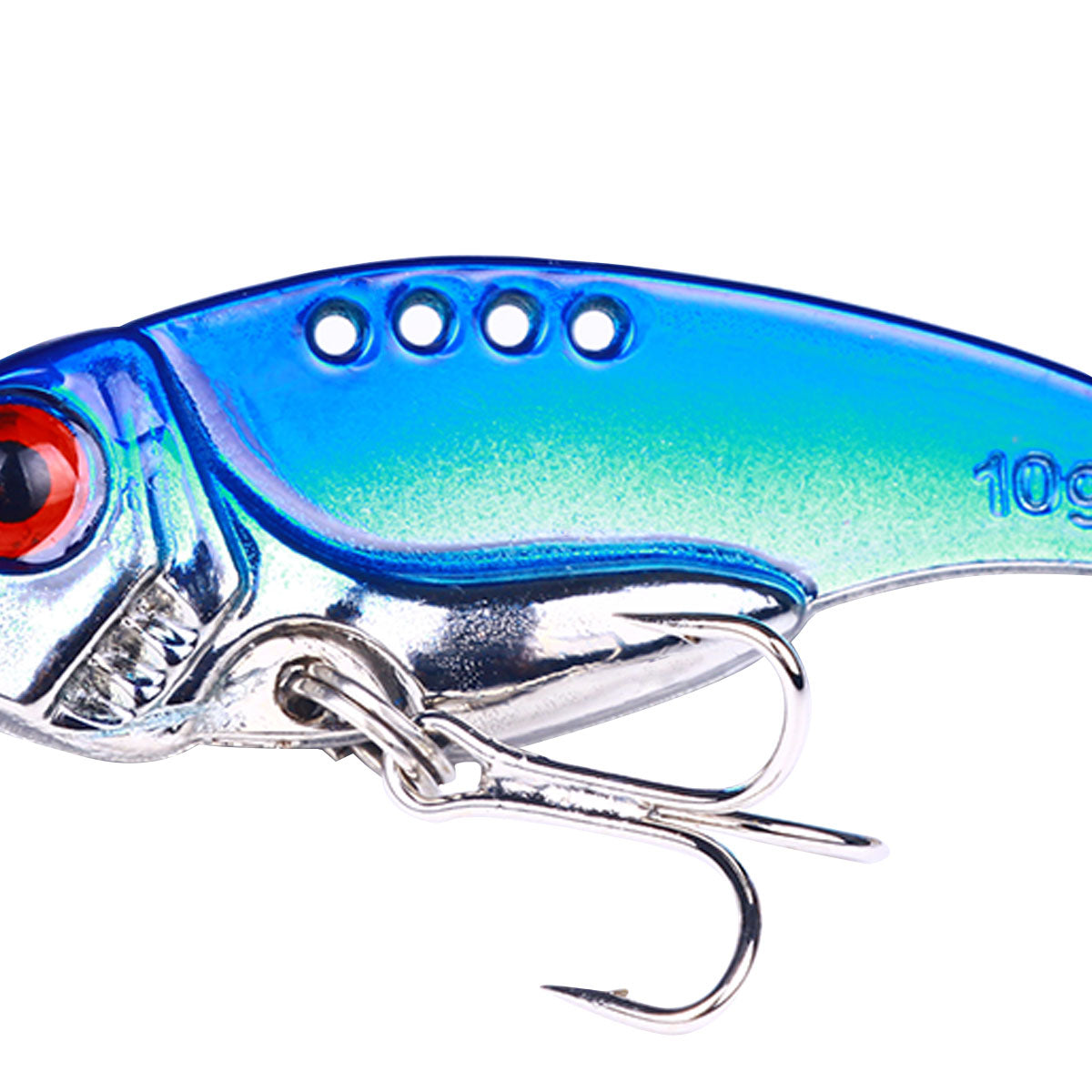
Lipless crankbaits and metal VIB lures create strong vibrations while moving through the water column.
- ✦ Spinnerbaits
Rotating blades create both vibration and flash to attract aggressive fish.
- ✦ Swimbaits
Soft plastic swimbaits create natural body movement and subtle vibration.
Metal VIB Lures
Metal VIB lures are designed to create strong vibration with a compact body. They are popular because they cast far and work well at different depths.
Many anglers use them around deep structures, bridges, and open water areas where fish respond to strong movement signals.
- ✦ Long Casting Ability
The compact metal design helps anglers reach distant fishing areas.
How to Choose the Right Vibration Lure
Choosing the right vibration lure depends on where you fish and what species you target. A lure that works well in a clear lake may not perform the same way in muddy water.
Experienced anglers match vibration strength with fishing conditions. Strong vibrations work well when fish need help locating bait, while subtle vibrations can work better in calm water.
- ✦ Water Clarity
Use stronger vibration patterns in dirty water and more natural movements in clear water.
- ✦ Fishing Depth
Choose sinking or floating vibration lures based on where fish are feeding.
- ✦ Target Species
Match lure action with the feeding behavior of bass, trout, walleye, or saltwater fish.
How to Fish a Vibrating Lure Effectively
Using a vibrating lure is not only about casting and retrieving. The way you move the lure controls how much vibration it creates and how fish react.
A slow retrieve can create a natural search pattern, while a faster retrieve can trigger aggressive strikes from active predators.

- ✦ Steady Retrieve
A consistent retrieve keeps the lure moving with a predictable vibration pattern.
- ✦ Lift and Drop Method
Raising and allowing the lure to fall can attract fish near the bottom.
- ✦ Change Speed
Adjusting retrieve speed helps match fish activity levels.
Advantages and Limitations of Lure Vibration
Understanding what is lure vibration also means knowing its strengths and weaknesses. Vibration is a powerful attraction tool, but it is not always the best option.
Some fish may become cautious around strong vibrations, especially in heavily pressured fishing areas where they have seen many artificial lures.
- ✦ Advantages
Vibration helps fish find lures in dark water and allows anglers to cover more fishing areas.
- ✦ Limitations
Some situations require subtle lure movement instead of strong vibration.