Choose line weight by matching fish size, rod power, and your fishing method.
I have spent decades on rivers, lakes, and salt flats testing gear and catching fish. In this guide I explain how to choose fishing line weight step by step. Expect clear rules, real examples, and simple tests you can use today to pick the right line weight for any rod, reel, and target species.

Understand fishing line basics
Fishing line weight means the "test" or breaking strength. It tells you how many pounds of force the line will hold before it breaks. Line weight affects casting, sensitivity, lure action, and the fight with a fish.
Common line tests run from 2 lb to 200+ lb. Light lines (2–10 lb) suit panfish and trout. Medium lines (10–20 lb) work well for bass and inshore species. Heavy lines (20+ lb) are for big saltwater fish and heavy cover.
When you learn how to choose fishing line weight, start with three factors: the fish you want, the rod and reel, and the water or cover you fish. Match those and you will avoid break-offs, lost fish, and poor casting.

Match line weight to fish, rod, and technique
Pick the fish first. Small trout need light line. Big striped bass need heavier test. Then match the rod power and lure weight. A light rod with 2–6 lb line casts best with small lures. A heavy rod needs stronger line.
Practical matching rules:
- Match rod rating with line test. If your rod says 6–12 lb, use that range.
- Match lure weight. Heavier lures need heavier line and stronger rods.
- Adjust for cover. Fish in heavy weeds or structure need stronger line.
If you are unsure how to choose fishing line weight for a new rod, start in the middle of the rod’s range. That gives good balance between sensitivity and strength.
Line types and how weight affects them
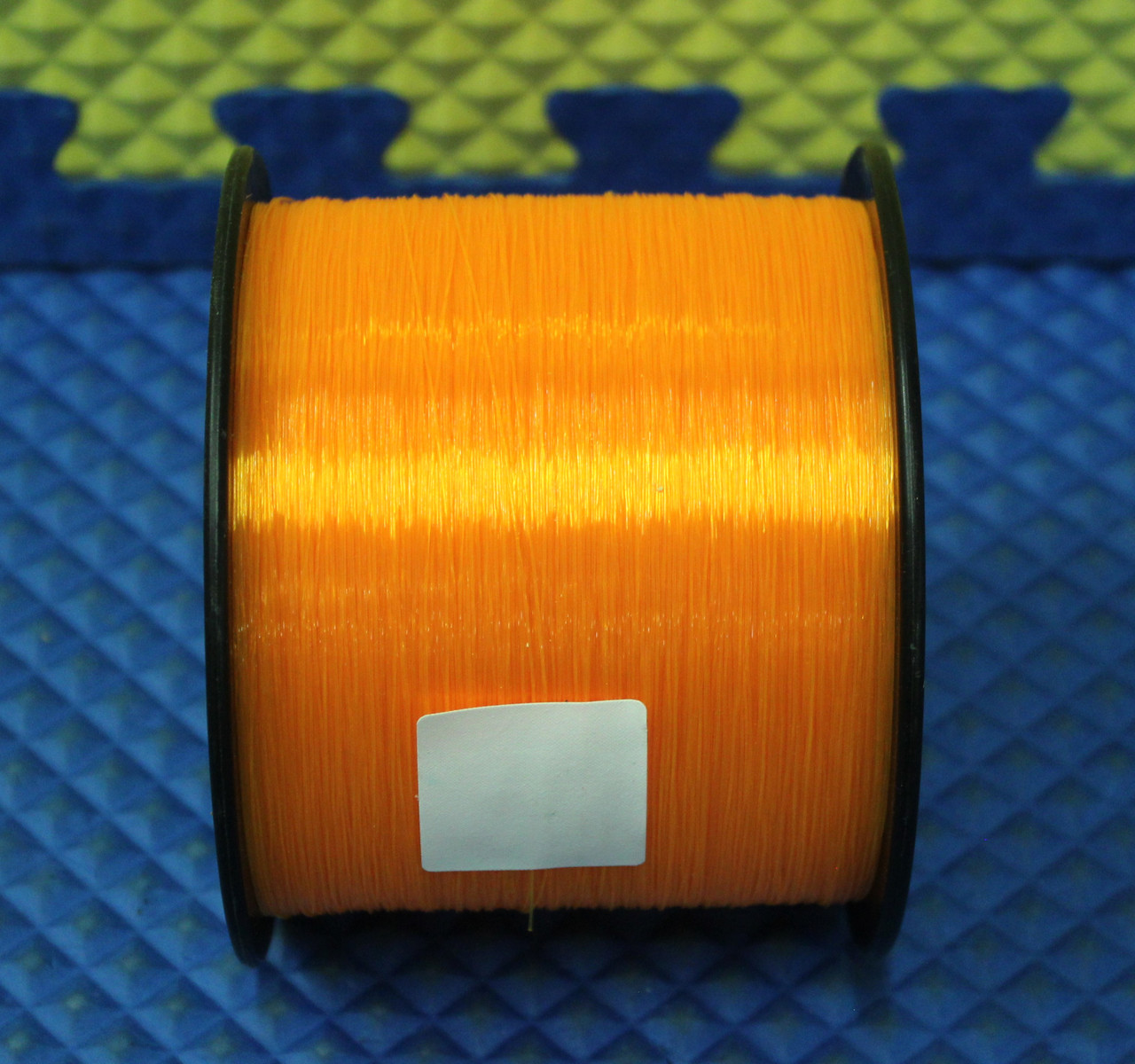
Monofilament, fluorocarbon, and braid behave differently. Each type changes how a given test feels and performs.
Monofilament
- Feels stretchy and forgiving.
- Good for beginners and shock absorption.
- A 10 lb mono is thicker than a 10 lb braid.
Fluorocarbon
- Sinks and is less visible underwater.
- Good for leaders and clear water.
- Similar test to mono but often a bit stiffer.
Braid
- Very thin for its test and nearly no stretch.
- Lets you use lower test for the same fish size.
- Higher abrasion risk around rough structure.
When you think about how to choose fishing line weight, remember the line type. A 15 lb braid can match or exceed a 30 lb mono in strength felt on the reel. Use the line type to tune casting distance and hookup rates.

Strength vs diameter: what matters most
Line test equals strength, but diameter controls drag and spool capacity. Think of diameter like road width and test like weight capacity.
Key points:
- Thinner lines cast farther and let you spool more line.
- Thicker lines resist abrasion and tie bigger knots more easily.
- Test ratings are based on straight pull tests. Real fights add shock and angles.
Never choose line only by diameter. A thin braid may have low visible profile but very little shock. That can mean lost hookups if you don’t have the right rod action or leader. Balance strength, diameter, and stretch for each situation.

Knots, test curves, and safety margins
Knots lower your line’s real strength. A good knot can keep 80–90% of test. A poor knot can cut that to 50% or less.
Practical knot tips:
- Learn one strong knot for each line type. For mono and fluoro use a Palomar or improved clinch. For braid use a Palomar or double uni.
- Test your knot before you fish. Give a hard pull and inspect the knot.
- Add a safety margin. If fish average 10 lb, use 12–16 lb test depending on cover.
Test curves on rods and reels show how gear handles load. When learning how to choose fishing line weight, consider how the rod flexes under the fish. A soft rod can protect light line from sudden shocks.
Practical examples and my experience
I once fished a thick Florida mangrove line with 20 lb mono and still lost big snook due to stingy knots and heavy structure. I switched to 30 lb braid with a strong leader and my hookup rate rose. That taught me to match line weight and type to cover, not just to fish size.
Example setups:
- Trout and panfish: 4–8 lb mono or 4–6 lb fluorocarbon on a light spinning rod.
- Bass: 8–14 lb mono or 10–20 lb braid on a medium rod.
- Inshore saltwater: 20–40 lb braid with a 20–40 lb fluoro leader.
- Big game or heavy cover: 50–130 lb braid, matching leader by species.
When you practice how to choose fishing line weight, start with these setups. Then tweak by feel and by watching how lures move and fish fight.

Common mistakes and how to avoid them
New anglers often pick line by price or color. That leads to weak setups. Other mistakes include poor knots and ignoring leader choice.
Avoid these traps:
- Don’t use the lowest price line without testing its knots and stretch.
- Don’t ignore rod ratings. Weak rods can’t protect light line.
- Don’t skip leaders when clarity or abrasion matters.
A rule I use: if you are unsure, go one step heavier on the test when fishing structure. Go one step lighter when you need better lure action or stealth.

Maintenance, spool care, and storage
Line weakens over time. Sun, salt, and nicks reduce strength. Replace line when it shows abrasion or loss of shock.
Care tips:
- Rinse saltwater line after each trip with fresh water.
- Inspect the first 10–20 yards of line on the spool for nicks.
- Replace old line once per season for regular anglers, more often in salt or heavy use.
When you think about how to choose fishing line weight, also think about longevity. A heavier line that is old and brittle can fail faster than a lighter, fresh line.
Frequently Asked Questions of how to choose fishing line weight
What line weight should I use for trout?
Use 4–8 lb test for most trout fishing. Choose lighter line for small streams and heavier for big lakes.
Can I use braid for all fishing?
You can use braid widely, but add a leader for clear water and abrasion resistance. Braid has low stretch, so pair it with proper rod action.
How does line weight affect lure action?
Heavier line can change how a lure runs and reduce its action. Use lighter line for delicate lures and heavier line for long casts or heavy cover.
Should I match line weight to rod rating exactly?
Match within the rod's range. Start in the middle of the rating for balanced performance. Go up or down one step for specific needs.
How often should I replace my line?
Replace line yearly for casual anglers and more often for heavy use or saltwater conditions. Replace sooner if you see abrasions or frays.
Conclusion
Choosing the right line keeps more fish on the end of your rod and makes fishing more fun. Use the fish species, rod rating, line type, and water conditions to guide how to choose fishing line weight. Test knots, check line health, and learn from each trip.
Try one change at a time. Switch line type or increase line test by one step and note the difference. Share your results or ask a question below to learn faster and fish smarter.