Learning how to identify surface feeding fish is one of the most useful skills for anglers who enjoy active fishing. When fish feed near the top of the water, they often leave clues that trained eyes can notice before the first cast.
In my experience studying fishing patterns, the biggest mistake many anglers make is looking only for jumping fish. Surface feeding behavior can also appear as small rings, nervous baitfish, birds diving, or sudden changes in water movement.
What Are Surface Feeding Fish?
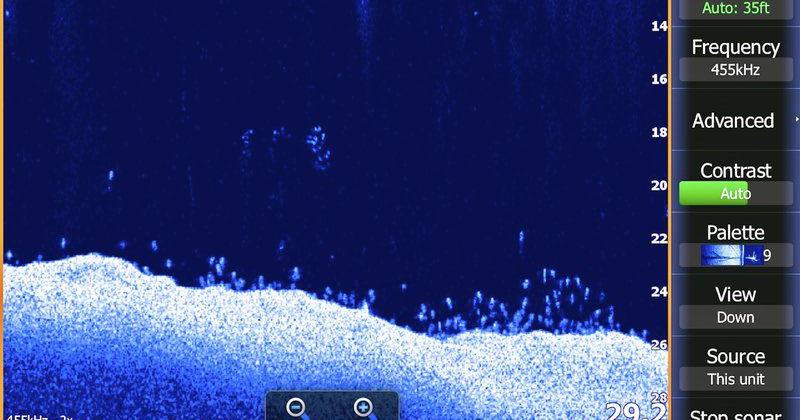
Surface feeding fish are fish that move into the upper layer of the water to eat insects, small baitfish, floating food, or other prey. This behavior is common in lakes, rivers, ponds, and coastal areas across the United States.
Knowing how to identify surface feeding fish starts with understanding why fish come upward. They usually feed near the surface when food is available, light conditions are favorable, or predators push prey toward shallow water.
- ✦ Upper water activity
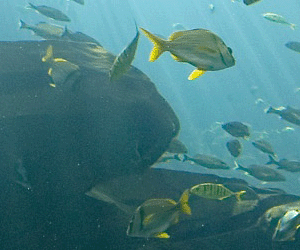
Fish stay close to the surface instead of holding deep near the bottom.
- ✦ Active feeding response
Fish chase moving prey and create visible disturbances in the water.
- ✦ Food-driven behavior
Surface feeding often happens when insects, minnows, or floating organisms become available.
Common Surface Feeding Species
Many freshwater species show surface feeding behavior. Bass, carp, trout, crappie, and sunfish may feed near the surface depending on season and conditions.
Saltwater species such as striped bass and tarpon also create noticeable surface activity when chasing baitfish.
- ✦ Largemouth bass
Often attack frogs, insects, and baitfish near cover and vegetation.
- ✦ Carp
Frequently rise slowly and create circular movements while feeding.
Visible Signs That Reveal Surface Feeding Fish
The key to how to identify surface feeding fish is learning to read the water. Fish may not always jump, but they almost always create small signs when they feed near the surface.
Experienced anglers scan the water before casting. They look for repeated activity instead of reacting to one random splash.

- ✦ Breaking water
Fish that strike prey near the surface may create splashes, flashes, or sudden waves.
- ✦ Baitfish fleeing
Small fish jumping or moving quickly often means predators are nearby.
- ✦ Surface rings
Circular ripples can show where fish recently fed.
- ✦ Bird activity
Birds diving toward the water may indicate baitfish and predators below.
Reading Water Movement
Calm water makes surface feeding signs easier to notice. Look for areas where the surface breaks differently from normal wind movement.
A steady pattern of movement is usually more meaningful than a single splash because active fish often return to the same feeding area.
- ✦ Consistent disturbance
Repeated activity often shows an active feeding zone.
How Weather and Conditions Affect Surface Feeding
Understanding how to identify surface feeding fish also requires knowing when surface activity is most likely. Fish behavior changes with temperature, wind, sunlight, and available food.
Many anglers in the USA notice stronger surface action during early mornings and evenings because lower light makes fish more comfortable moving into shallow areas.
- ✦ Low light periods
Morning and evening often provide better conditions for surface feeding.
- ✦ Warm water
Many species become more active near the surface when temperatures increase.
- ✦ Cloud cover
Cloudy skies can encourage fish to feed longer because they feel safer.
Seasonal Changes
Spring and summer often bring more surface activity because insects hatch and baitfish become more active.
During colder months, some species may feed deeper, so surface feeding signs become less common.
- ✦ Spring feeding
Fish often move shallow as water temperatures rise.
Best Techniques for Catching Surface Feeding Fish
Once you know how to identify surface feeding fish, the next step is matching your fishing technique to their behavior. Fast-moving fish often respond well to active presentations.
The goal is to imitate what fish are already chasing. A lure that looks natural will usually perform better than one that simply creates noise.

- ✦ Use topwater lures
Poppers, frogs, and walking baits can imitate surface prey.
- ✦ Cast beyond feeding areas
Landing your lure near active fish without disturbing them improves your chances.
- ✦ Match natural prey
Choose lure size and movement based on local baitfish or insects.
Avoid Common Mistakes
Many anglers cast directly into feeding fish and scare them away. A quieter approach often produces better results.
Another mistake is changing locations too quickly. Active surface feeders may move in short cycles, so patience can be important.
- ✦ Too much movement
Excessive boat or shoreline activity can push fish away.
How to Confirm Fish Are Actually Feeding
Not every surface movement means fish are feeding. Wind, floating debris, and underwater activity can create similar signs.
To confirm feeding behavior, watch for repeated patterns and connect the surface activity with nearby bait movement.

- ✦ Observe before casting
Spend a few minutes watching the area before choosing your approach.
- ✦ Look for prey connection
Active baitfish often confirm predator feeding activity.
- ✦ Track movement direction
Feeding fish usually move with purpose rather than randomly.
Using Experience to Improve Detection
Over time, anglers develop an instinct for surface feeding. This comes from noticing small details like water texture, bird behavior, and fish movement.
Keeping notes about successful fishing trips can help identify patterns in different lakes and rivers.
- ✦ Record conditions
Write down weather, time, location, and feeding behavior.
Frequently Asked Questions about how to identify surface feeding fish

fishingscouty
Contributor