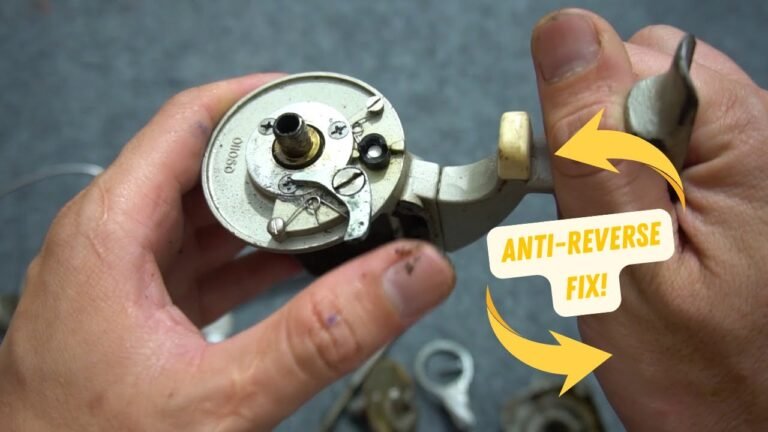
Fishing reel gears making noise how to troubleshoot starts with finding the exact sound source. A clicking, grinding, humming, or rough feeling during retrieval often points to problems inside the reel body. Many anglers notice this after long saltwater trips, heavy use, or storing a reel without proper care.
After years of handling fishing equipment, one lesson stands out: do not ignore small gear noises. A reel that feels slightly rough today can become a costly repair later. Most issues can be solved at home with basic tools, patience, and the right cleaning method.

Why Are My Fishing Reel Gears Making Noise?
When fishing reel gears making noise how to troubleshoot becomes necessary, the first step is understanding why the noise happens. Reel gears work under pressure every time you retrieve line. Small problems inside the gear system can create noticeable sounds.
The most common causes include old grease, trapped sand, damaged teeth, loose parts, and poor gear alignment. Both spinning reels and baitcasting reels can develop these issues over time.
- ✦ Old or Dry Grease
Gear grease loses its smooth texture over time. Dry gears create more friction and produce rough sounds.
- ✦ Dirt and Salt Deposits
Saltwater residue and small particles can enter the reel and affect gear movement.
- ✦ Worn Gear Teeth
Damaged or worn teeth can create grinding or clicking sounds during rotation.
Common Noise Types and What They Mean
A grinding noise often suggests gear wear or poor lubrication. A clicking sound may come from loose components, the line roller, or the drag system.
A humming or rough vibration usually means moving parts are creating extra friction. Identifying the sound helps you choose the correct repair step.
- ✦ Grinding Sound
Check the main gear, pinion gear, and internal lubrication.
- ✦ Clicking Sound
Inspect loose screws, bearings, and small moving parts.
Inspect the Reel Before Taking It Apart
Before opening the reel body, test when the noise appears. Turn the handle slowly, increase speed, and check if the sound changes under light pressure.
This simple test can help separate gear problems from bearing issues. Many anglers replace parts too quickly without checking the actual source.

- ✦ Check Handle Movement
Feel for rough spots, resistance, or uneven rotation while turning the handle.
- ✦ Test Under Load
A reel may sound normal without line tension but become noisy when fighting a fish.
Clean and Lubricate Fishing Reel Gears Correctly
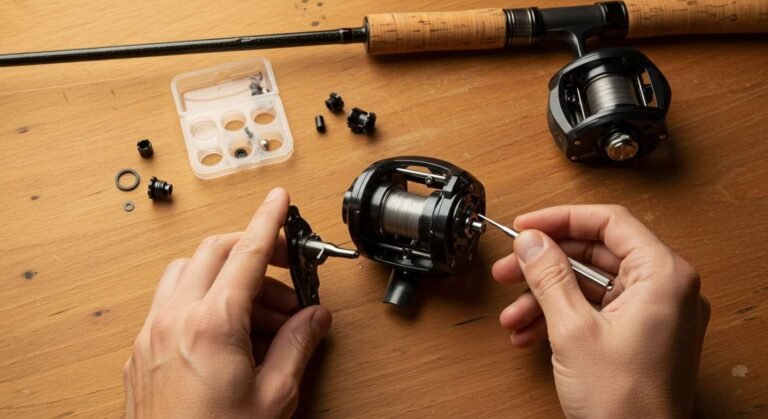
Cleaning is one of the most effective solutions when learning fishing reel gears making noise how to troubleshoot. Remove old grease and dirt before adding new lubricant.
Use reel-safe grease designed for gears. Avoid using too much because excess grease can slow movement and collect debris inside the reel.
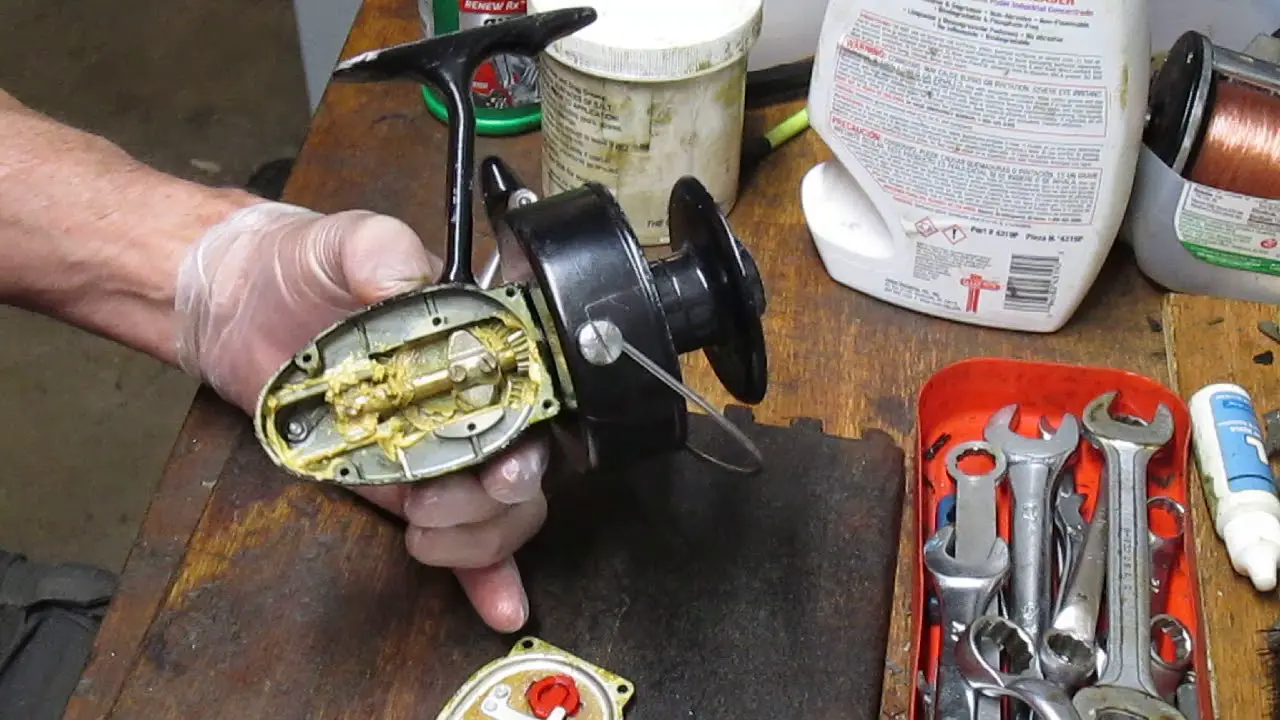
- ✦ Remove Old Grease
Use a soft cloth and reel cleaner to remove hardened grease from gear surfaces.
- ✦ Apply Fresh Gear Grease
Add a thin, even layer that covers gear teeth without filling the entire housing.
Why Too Much Grease Can Cause Noise
Many anglers think more grease means better protection, but excess grease can create problems. Thick grease may prevent gears from moving freely and trap dirt.
The goal is smooth protection, not a heavy coating. A clean gear system with the correct amount of grease usually runs quieter.
- ✦ Avoid Overpacking
Leave room for gears to move naturally inside the reel body.
Check for Damaged or Worn Reel Gears
If cleaning and lubrication do not solve the issue, inspect the gears closely. Damaged teeth can create repeated clicking, grinding, or skipping sounds.
A damaged main gear or pinion gear may require replacement. Continuing to use a reel with damaged gears can make the problem worse.
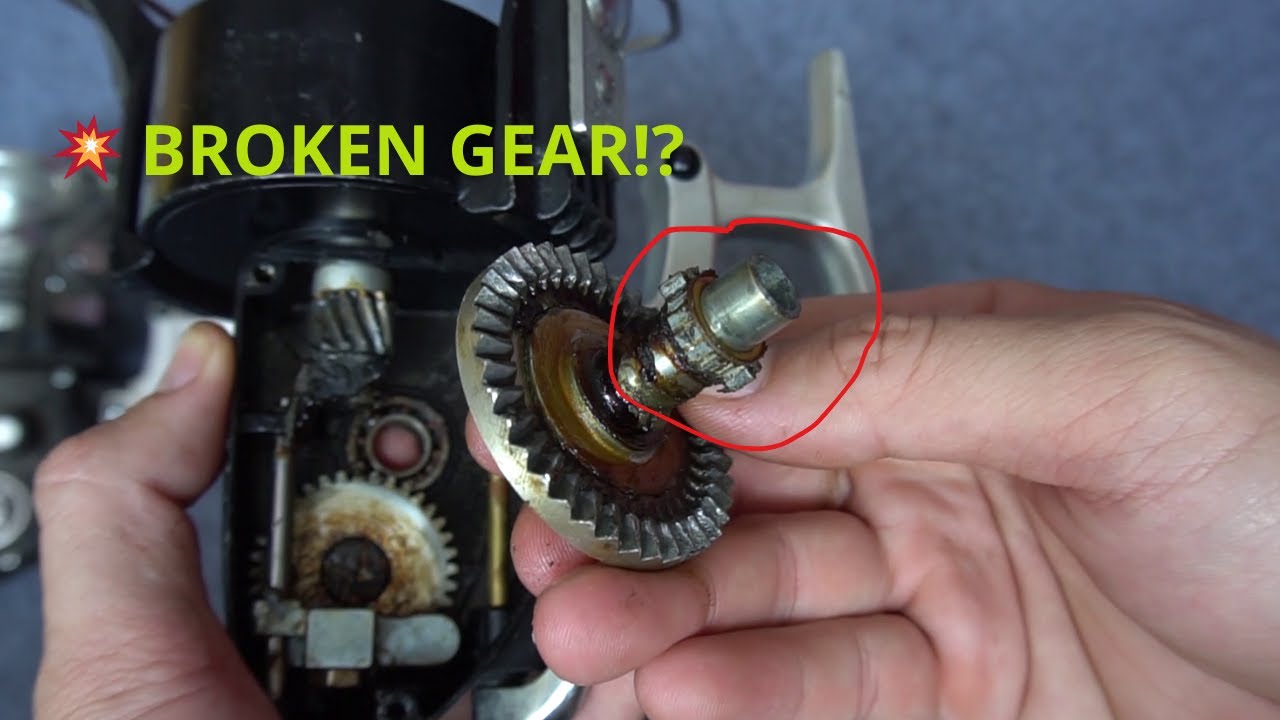
- ✦ Inspect Gear Teeth
Look for chips, uneven wear, cracks, or missing sections on the teeth.
- ✦ Check Gear Alignment
Misaligned gears create friction and abnormal noise during operation.
When Gear Replacement Is Needed
Some gear damage cannot be fixed with cleaning or lubrication. Replacement is often the best option when teeth are broken or heavily worn.
Match replacement parts with your exact reel model to ensure proper fit and smooth operation.
- ✦ Use Correct Parts
Always confirm the reel model before ordering replacement gears.
Check Bearings and Other Parts That Create Similar Sounds
Not every reel noise comes from gears. Bearings, the handle assembly, and the line roller can create sounds that feel like gear problems.
When following fishing reel gears making noise how to troubleshoot steps, always inspect nearby components before buying new gear parts.
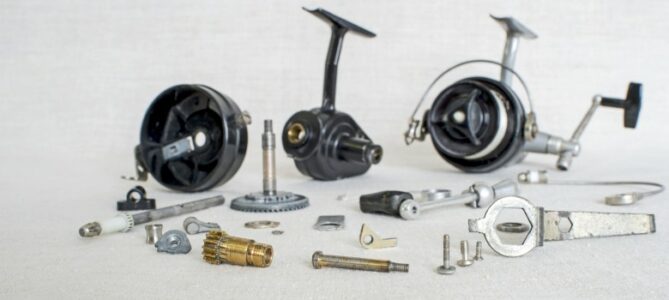
- ✦ Bearing Problems
Dirty or worn bearings can create rough rotation and unwanted noise.
- ✦ Loose Components
Loose screws or handles can create clicking sounds during retrieval.
Prevent Fishing Reel Gear Noise With Regular Maintenance
Preventing noise is easier than repairing a damaged reel. Regular cleaning after fishing trips helps protect gears from corrosion and dirt buildup.
Saltwater anglers in the United States should pay extra attention because salt can quickly damage internal reel parts if ignored.

- ✦ Rinse After Saltwater Use
Use fresh water to remove salt residue from the outside of the reel.
- ✦ Store Properly
Keep reels dry and avoid storing them with damaged or wet line.
- ✦ Service Regularly
Inspect and lubricate reels based on how often they are used.