Fish behavior changes dramatically during spawning because reproduction becomes the main priority. When fish enter breeding season, they often change where they live, how they feed, and how they react to threats. These changes happen in lakes, rivers, coastal waters, and oceans across the United States.
Understanding how spawning affects fish behavior helps anglers, fish keepers, and nature lovers read the signs around them. From bass guarding shallow nests in American lakes to reef fish gathering in large groups, spawning creates some of the most noticeable behavior changes in the fish world.

Why spawning changes normal fish behavior
Spawning is the process where fish reproduce by releasing eggs and sperm into the water or placing eggs in protected areas. During this period, fish use more energy for finding mates, creating nests, and protecting offspring.
The answer to how spawning affects fish behavior starts with survival. Fish that normally avoid danger may become more visible because they must reach specific breeding areas. Their natural instincts push them to complete the reproductive cycle.
- ✦ Hormone changes
Breeding hormones increase activity levels and influence movement, aggression, and mate selection.
- ✦ Reproductive goals
Fish focus less on normal routines and more on finding partners and protecting eggs.
- ✦ Seasonal triggers
Water temperature, daylight, and environmental conditions often signal when spawning should begin.
The role of instinct during spawning
Fish rely heavily on instinct during breeding season. They may travel long distances to reach spawning grounds that provide better conditions for eggs and young fish.
These repeated patterns show how spawning affects fish behavior across many species. Even fish that live alone for most of the year may gather in groups during reproduction.
- ✦ Migration patterns
Many species move toward shallow water, rivers, or specific breeding locations.
How spawning changes fish movement and habitat choices
One of the biggest changes during spawning is where fish choose to spend time. Many species leave deeper water and move toward shallow areas with the right conditions for eggs.
In U.S. freshwater systems, species like bass, sunfish, and crappie often move closer to shore during spawning. These locations provide protection and easier access to nesting sites.

- ✦ Shallow water movement
Fish often enter warmer, protected areas where eggs have a better chance of survival.
- ✦ Nest building
Some fish clear areas on the bottom to create safe places for eggs.
- ✦ Spawning migration
Certain species travel upstream or across large distances to reach breeding areas.
Why fish prefer specific spawning habitats
Spawning habitats must provide safety, oxygen, and suitable water conditions. A poor habitat can reduce egg survival, so fish often return to locations that worked in previous years.
This behavior shows that fish are not moving randomly during breeding season. Their choices are connected to long-term survival.
- ✦ Water quality
Clean water with enough oxygen supports healthier eggs and young fish.
How spawning affects fish feeding behavior
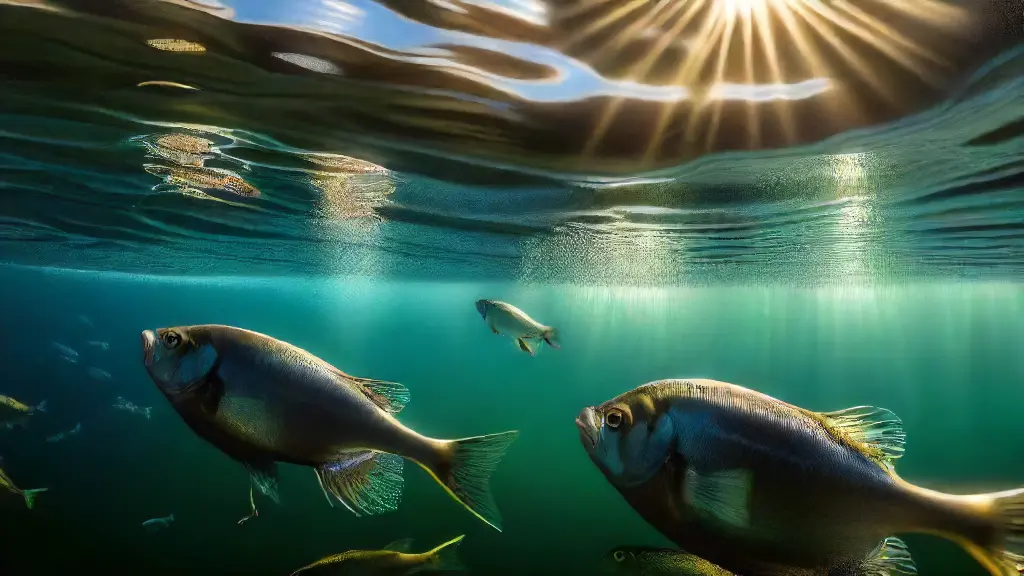
Feeding habits often change during spawning because reproduction takes priority. Some fish eat less while protecting nests, while others feed aggressively before or after spawning to recover energy.
Understanding how spawning affects fish behavior also explains why fish may ignore familiar food during breeding periods. Their attention is often focused on mates, territory, and egg protection.
- ✦ Reduced feeding
Some nesting fish stop eating because they spend energy defending eggs.
- ✦ Aggressive reactions
Fish may attack objects near their nests even when they are not hungry.
- ✦ Recovery feeding
After spawning, many fish increase feeding to rebuild lost energy.
Why spawning fish may strike lures or objects
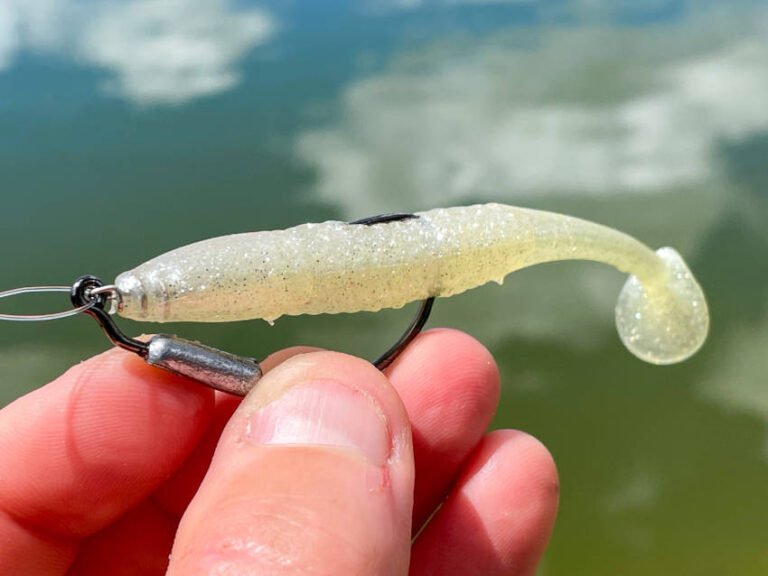
During spawning, some fish respond to threats near their nests instead of responding to food. This is common among protective species that guard eggs.
Anglers often notice this behavior because fish may show unusual aggression compared with their normal feeding patterns.
- ✦ Territory defense
Fish may remove anything they see as a danger to their eggs.
How spawning increases aggression and territorial behavior
Many fish become more aggressive during spawning because they need to protect mates, eggs, or nesting areas. This behavior helps increase the survival chance of their offspring.
Male fish often show stronger territorial actions. They may chase away rivals, defend small areas, and display warning behaviors.

- ✦ Nest protection
Parent fish defend eggs from predators and other fish.
- ✦ Competition
Fish may compete for access to mates and the best spawning locations.
- ✦ Visual displays
Some species change color or posture to attract partners or warn rivals.
Examples from popular U.S. freshwater fish
Bass are well known for guarding nests during spawning season. Bluegill and other sunfish species also create and protect nesting areas in shallow water.
These examples show how spawning affects fish behavior in ways that are easy to observe from shore or a boat.
- ✦ Bass behavior
Bass often become protective around spawning beds.
How spawning affects fish social behavior
Many fish species change their social patterns during breeding. Solitary fish may gather in groups, while group-living fish may create smaller territories for reproduction.
Spawning events can create large gatherings called spawning aggregations. These gatherings help fish find mates but can also make them more vulnerable to environmental changes.

- ✦ Mate selection
Fish use movement, colors, sounds, and displays to attract partners.
- ✦ Group gatherings
Large groups may form around ideal spawning locations.
Spawning groups in marine environments
Ocean fish often gather in specific locations and release eggs into open water. These events can involve thousands of fish at the same time.
Researchers study these gatherings to understand migration, population health, and conservation needs.
- ✦ Ocean spawning events
Marine fish often use timing and location to improve reproductive success.
How anglers can recognize spawning behavior
Recognizing spawning behavior helps anglers understand why fish appear in certain places at certain times. Signs include shallow movement, nest building, chasing, and unusual defensive actions.
Responsible fishing practices are important during spawning because breeding fish help maintain healthy populations. Many U.S. fisheries use seasonal rules to protect spawning species.
- ✦ Visible nests
Circular cleared areas may show that fish are preparing breeding sites.
- ✦ Unusual aggression
Fish may react strongly to nearby movement or objects.
- ✦ Seasonal timing
Spawning often happens during predictable periods based on local conditions.
Using spawning knowledge responsibly
Understanding spawning behavior should help people respect fish populations. Catch-and-release practices and local regulations can reduce pressure on breeding fish.
Good anglers learn fish behavior while also protecting the ecosystems that support future generations.
- ✦ Follow regulations
Local fishing rules help protect spawning populations.
Frequently Asked Questions about how spawning affects fish behavior

fishingscouty
Contributor